

Buy Tool Liquidation Pallets – Starting at $599 (50–150 Items)
Original price was: $795.00.$599.00Current price is: $599.00.
Starting at $599.00 per pallet (freight shipping and taxes not included)
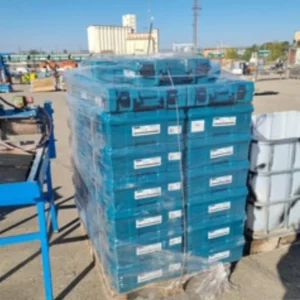
Find wholesale inventory with tool liquidation pallets featuring power tools, hand tools, and workshop accessories for online sellers, bin stores, flea market vendors, and discount tool retailers. Each liquidation lot contains an assortment of customer returns, open-box items, and retailer overstock from major hardware brands. Specific item counts, product categories, conditions, and starting prices vary depending on the individual pallet selected.
Key Listing & Manifest Details
-
Starting Price: $599.00 per pallet for eligible base-tier lots. Final costs vary by specific pallet selection, condition grade, and unit count.
-
Manifest & Inventory Status: Check individual listing details to confirm whether a pallet is Manifested (includes itemized product list) or Unmanifested (sold as an assorted bulk lot).
-
Items per Pallet: Typically contains 50 to 150 items depending on tool size and lot configuration. Always check the individual listing manifest for exact unit totals.
-
Condition Grade: Mixed wholesale lots may include new overstock, open-box units, shelf-pulls, or uninspected customer returns. Condition details are noted on each pallet listing.
-
Availability: Stock changes frequently. Verify real-time stock availability and lot numbers prior to placing an order.
-
Resale & Distribution Rules: No master distribution agreement is required. Buyers are responsible for adhering to third-party marketplace rules and any manufacturer brand de-labeling requirements.
-
Shipping & Pickup: Shipped via standard LTL freight. Freight charges, liftgate service fees, and taxes are calculated at checkout based on destination zip code. Local warehouse pickup may be available upon request.
Product, Pricing & Brand Disclaimer:
Starting prices apply to select base listings only. Standard freight shipping, liftgate fees, and applicable sales taxes are calculated separately during checkout. Liquidation pallets containing customer-return or open-box merchandise are sold as-is and may exhibit signs of handling, packaging damage, or missing accessories. Estimated retail values (MSRP) represent historical reference points and do not guarantee current market value or resale profit. All product names, logos, and brands (including DeWalt, Milwaukee, Makita, Ryobi, Craftsman, Bosch, or others) are trademarks of their respective holders. Mention of these brands does not imply affiliation with or endorsement by the trademark owners.
How to Verify Pallet Contents Using the Manifest
Reviewing manifest documentation ensures full transparency before purchasing wholesale inventory:
-
Manifested Pallets: Include a downloadable spreadsheet listing product descriptions, estimated original MSRPs, unit quantities, and individual condition notes for each item on the pallet.
-
Unmanifested / Assorted Lots: Sold by bulk weight, box count, or general category. Buyers should rely on the listing description, photos, and condition grade prior to purchase.
-
Estimated Retail Value (MSRP): Provided as a historical reference based on original manufacturer pricing and should not be relied upon as a guarantee of current market resale value.
What Categories May Be Included in Tool Liquidation Pallets?
Depending on available stock and lot type, tool liquidation pallets may contain items across several key hardware categories:
-
Cordless Drills & Impact Drivers: Standard drills, hammer drills, impact drivers, and cordless combo kits (12V–20V series).
-
Saws & Cutting Tools: Circular saws, reciprocating saws, jigsaws, and portable miter saws.
-
Grinders & Power Tools: Angle grinders, orbital sanders, polishers, and rotary tools.
-
Hand Tool Sets: Socket sets, ratchets, wrenches, pliers, screwdrivers, hammers, and utility knives.
-
Tool Storage & Workshop Accessories: Heavy-duty tool bags, plastic organizers, storage cases, and LED work lights.
-
Tool Accessories & Consumables: Drill bit sets, saw blades, chargers, lithium-ion battery packs, and sanding discs.
Note: The product categories listed above serve as realistic examples only. Specific brands, item selections, and quantities vary by lot and must be verified on the specific pallet manifest.
Sample 50-Item Manifest Breakdown (Illustrative Example Only)
The tables below show a hypothetical sample manifest for educational illustration only and do not represent the guaranteed contents of an active pallet listing.
Category Breakdown
Cordless Drills and Drivers
| Product Type | Sample Manifest Quantity |
| Assorted Cordless Drills & Drivers | 10 pieces |
| Category Subtotal | 10 pieces |
Saws and Cutting Tools
| Product Type | Sample Manifest Quantity |
| Circular, Reciprocating & Jigsaws | 9 pieces |
| Category Subtotal | 9 pieces |
Grinders and Power Tools
| Product Type | Sample Manifest Quantity |
| Angle Grinders, Sanders & Specialty Power Tools | 9 pieces |
| Category Subtotal | 9 pieces |
Hand Tools
| Product Type | Sample Manifest Quantity |
| Hand Tool Sets, Mechanics Tools & Sockets | 9 pieces |
| Category Subtotal | 9 pieces |
Tool Storage and Workshop Equipment
| Product Type | Sample Manifest Quantity |
| Tool Bags, Hard Cases & Work Lights | 7 pieces |
| Category Subtotal | 7 pieces |
Tool Accessories and Batteries
| Product Type | Sample Manifest Quantity |
| Chargers, Battery Packs & Drill Bit Accessories | 6 pieces |
| Category Subtotal | 6 pieces |
Sample Manifest Summary
| Merchandise Category | Sample Manifest Quantity |
| Cordless Drills and Drivers | 10 pieces |
| Saws and Cutting Tools | 9 pieces |
| Grinders and Power Tools | 9 pieces |
| Hand Tools | 9 pieces |
| Tool Storage and Workshop Equipment | 7 pieces |
| Tool Accessories and Batteries | 6 pieces |
| Sample Pallet Total | 50 pieces |
Tool Liquidation Pallets
Tool liquidation pallets are large, shrink-wrapped bundles of tools sold by liquidators. These items originate from major retailers who need to clear out their stock. This can include customer returns, products that are no longer in season or simply overstocked items that haven’t sold.
The core concept is simple: you purchase an entire pallet of these mixed goods ‘as is’ for a fixed price. As the retailer’s goal is to reclaim space and recover some costs, the price is far below the retail value.
For a reseller, this discount forms the basis of your entire business model. The value proposition lies in the significant difference between your wholesale cost and the potential market price for each item. This enables you to develop a profitable inventory that is unavailable to the general public.
Key Takeaways
- Tool liquidation pallets are bulk lots of tools from customer returns, overstock, or shelf-pulls, sold at a deep discount.
- The primary value is the high profit margin. Resellers can often double or triple their investment by selling items individually online or at local markets.
- Success depends on understanding the different pallet types: “Untested Returns” carry higher risk and higher reward, while “Overstock” is typically in better condition.
- You can source pallets from online liquidation companies (like us), local stores, or auctions. Vetting your supplier is the most critical step.
- Brand-specific pallets, such as Milwaukee or RYOBI, offer high-value items but require a larger upfront investment.
- Flipping pallets can scale from a part-time side hustle into a full-time business by mastering inventory management and logistics.
What Do Tool Pallets Actually Cost?
You want to grow your reselling business, but the thought of spending thousands on a pallet of broken junk terrifies you. This fear is valid. Without industry knowledge, tool liquidation can seem like gambling. However, professional resellers know that profit comes from buying assets below market value rather than hitting the jackpot. I have spent years sourcing these loads, and the secret lies in cold, hard maths regarding acquisition costs and recovery rates, not luck. Let us explain exactly how much you should pay — and what you should avoid — to turn bulk inventory into a profitable side hustle.
Currently, legitimate pricing is based on strict tiers according to brand prestige and condition. You cannot expect to pay $50 for premium gear. Here is the current market reality:
| Pallet Type | Typical Price Range | Est. Retail Value | Est. Units |
|---|---|---|---|
| Small Case / Mystery Lots | $100 – $300 | $300 – $1,000 | 10 – 25 Items |
| Mixed General Tool Pallets | $400 – $900 | $2,000 – $4,500 | 75 – 150 Items |
| Brand-Specific (e.g., Milwaukee) | $1,200 – $1,800+ | $4,000 – $7,000+ | 40 – 80 Items |
The Scam Pricing Trap
If a seller is offering a full-size pallet of branded power tools for between $50 and $100, it is a scam. Reputable liquidators typically sell goods for 10–15% of their retail value. Adverts offering ‘Amazon unclaimed packages’ are also fraudulent. According to consumer protection standards, individuals cannot legally purchase unclaimed domestic mail from the US Postal Service (USPS) or private carriers; those items are destroyed or donated under strict contractual agreements.
How To Buy Tool Pallets And Secure The Best Deals?
Effectively acquiring tool pallets requires a clear process. It’s not just about finding the cheapest option; it’s about finding the best value from a trustworthy supplier.
First, you must identify reliable liquidators. This means vetting them for transparency, clear manifests and good customer support. Secondly, you must understand exactly what you are buying. Analyse the manifest, understand the ‘as is’ condition and factor in freight costs before bidding or buying.
Finally, building a relationship with a high-quality supplier is often the key to securing the best deals. Repeat buyers often get access to the best inventory.
Before making your first purchase, it is essential to know who you are buying from. A great supplier provides clear terms and helps you to succeed. The checklist below outlines what you should look for in a liquidation partner.
How To Read A Pallet Manifest And Condition Codes
Experienced resellers never bid blindly. We analyze the manifest (the inventory list), but we ignore the “Total Retail Value” column—that is marketing hype. Instead, we calculate our max bid using Condition Codes:
| Condition Code | Definition | Sellable Rate | Actionable Tip |
|---|---|---|---|
| New / Overstock | Brand new, damaged box. | 95% | Safe to bid aggressively. |
| Shelf-Pull | Unused, open box. | 80% | Check for missing manuals. |
| Customer Return | Used, function unknown. | 50% | Assume item needs repair. |
| Salvage | Broken, for parts. | <15% | Only buy for scrap metal/parts. |
The “Battery Tax” Reality
One significant hidden cost is the absence of batteries. Cordless drills and impact drivers arrive without their most valuable component: the battery pack. If the manifest does not explicitly list batteries, assume they are missing. Buying loose replacements reduces your potential profit margin by 30%.
How To Spot Liquidation Pallet Scams
Protect your capital by identifying these four red flags immediately:
- Payment Gateways: Scammers demand Zelle, CashApp, or Crypto to avoid chargebacks. Legitimate vendors accept credit cards or traceable wire transfers.
- Stock Photography: If images look like clean renders rather than messy warehouse photos, the inventory likely does not exist.
- No Physical Address: Always verify the liquidator has a physical warehouse location open for pickups.
- Vague Manifests: Listings saying “Tools Included!” without specific model numbers hide low-quality off-brand junk.
Table 1: Supplier Vetting Checklist
| Quality to Check | Why It Matters for Resellers |
| Business Verification | Are they a registered business? Look for a U.S. Business Tax ID. |
| Clear Photos | Do they show all angles of the actual pallet, not a stock photo? |
| Manifest Availability | Do they provide a detailed list of contents? Unmanifested lots are a bigger gamble. |
| Freight Transparency | Is the shipping cost calculated clearly before you pay? |
| Customer Support | Is there a real person you can call with questions about your order? |
| Positive Reviews | Do they have verified reviews from other resellers? |
This simple vetting process helps you avoid bad suppliers and secure tool pallets that actually build your business.
Ready to find your first high-profit pallet? Check our live inventory of manifested tool pallets and see what’s available today.
Where Can I Buy Pallets Of Tools Near Me?
When it comes to sourcing tool liquidation pallets, you have two main options: online liquidators and local, in-person stores.
Major online liquidators, such as 1001 Pallet Liquidation, offer an extensive range of products from national retailers. This gives you access to brands and categories that may not be available locally. You can browse the inventory from home and have your purchases shipped directly to your door.
Local liquidation stores are smaller brick-and-mortar warehouses. The main benefit of these stores is that you can inspect a pallet in person before you buy it. However, their selection is often limited and their prices may be higher once they have taken their cut.
Many resellers set up a formal business to manage their purchases. This often involves obtaining a resale certificate to avoid paying sales tax on inventory. You can learn more about state-specific requirements from the U.S. Small Business Administration (SBA).
To help you decide where to start, here is a direct comparison between the two main sourcing methods.
Table 2: Online vs. Local Liquidation Sourcing
| Feature | Online Liquidator (e.g., 1001 Pallet Liquidation) | Local Liquidation Store |
| Selection | Vast. Access to pallets from dozens of national retailers. | Limited. Only what they have on the warehouse floor. |
| Convenience | High. Browse, buy, and book freight 24/7 from home. | Low. Must travel to the warehouse during business hours. |
| Pricing | Often lower. Sourced closer to the original retailer. | Can be higher. Prices are marked up by the local store. |
| Inspection | By photo and manifest only. | Can inspect the pallet in person (sometimes). |
| Freight | Must be calculated and booked. | Can often take it with you (“cash and carry”). |
For scaling a business, online liquidators provide the best combination of price, variety, and convenience.
What Are The Different Types Of Tool Pallets For Sale?
Not all tool pallets are the same. They are categorised based on their contents and condition, both of which directly impact their value and your potential profit.
The main types include mixed tool pallets, which contain a variety of different brands and items. You may also find brand-specific pallets, such as one containing only Milwaukee tools. Pallets focused on power tools will contain items such as drills, saws and batteries, which often have a higher resale value.
The most important term to understand is ‘AS-IS Untested Customer Returns’. This means the pallet contains items that customers have returned to the store. They could be in perfect condition, lightly used, or broken. As they are ‘untested’, they are a gamble.
The table below clarifies these common categories and explains what you can expect from each type.
Table 3: Tool Pallet Category Breakdown
| Pallet Type | Typical Contents | Condition & Risk |
| Mixed Tool Pallets | Hand tools, power tools, accessories, and hardware from various brands. | High variety, moderate risk. A good starting point. |
| Brand-Specific | Contains items from only one brand, like RYOBI or DeWalt. | High-demand items. Risk depends on condition (e.g., returns). |
| Power Tool Pallets | Focuses on drills, saws, grinders, and batteries. | High potential value, but higher risk if items are returned broken. |
| Overstock | Brand new, in-box items that never made it to store shelves. | Excellent condition, very low risk. Lowest discount. |
| Untested Returns | Items returned by customers. Can be new, used, or damaged. | Highest risk, but also the highest potential profit margin. |
What Are The Characteristics Of Tool Return Pallets?
The most common type of tool liquidation is a ‘return pallet’. These are distinct because their condition is unknown. For example, a customer may have returned a drill because it was defective, or they may have simply bought the wrong model and returned it unopened.
This variability is central to the risks and rewards of the business. You might find a high-value tool that just needs a new battery, or you might find one that is only fit for parts.
Overstock tool pallets, on the other hand, are much safer. These typically contain new items in their original packaging. They sell for a higher price than return pallets, but offer a more predictable — though often smaller — profit margin.
The Realities Of Buying Tool Pallets: Risks And Downsides
Let’s apply the PAS formula (problem, agitation, solution) to the risks. The problem is that 30–50% of the items on any given pallet are unsellable. The agitation is that you have still paid for that dead weight and that disposing of electronic waste costs money. The solution is to account for ‘failure rate’ in your calculations.
Use case scenario:
Last quarter, I sourced a ‘customer return’ pallet for $600 (claimed retail: $2,500). After testing, 40% of the units were found to be dead on arrival (DOA). By selling the working units individually and scrapping the copper from the motors, I recovered £1,100. My net profit was approximately $650, but this required 15 hours of labour for cleaning, testing and listing. Was the hourly wage worth it? Only because I factored in the labour cost upfront.
Risk Profile Breakdown
| Risk Factor | Impact on Margin | Mitigation Strategy |
|---|---|---|
| High Failure Rate | Severe | Buy “Shelf-Pulls” over “Returns.” |
| Missing Accessories | Moderate | Budget $5/item for screws/bits. |
| Time Commitment | Moderate | Streamline photography processes. |
| Disposal Fees | Low-Medium | Strip recyclables (copper/aluminum) first. |
What Is The Potential Profit From Flipping Tool Pallets?
The business model for selling tool pallets is simple: buy cheaply, sort them, and sell them on at a higher price. Your profit is the difference between your total costs (pallets and shipping) and the revenue you receive from selling the individual items.
High returns are possible. For example, a single pallet of tools might cost $700. After sorting, you might find items worth $2,500. Even if 30% of the pallet is damaged, you can still make a significant profit.
Successful inventory management is key. This involves testing and sorting items quickly, setting competitive prices, and selling them across multiple platforms such as eBay, Facebook Marketplace, and local flea markets. This speed turns your inventory back into cash.
Let’s look at a real-world example. The table below breaks down the potential profit from a single mixed tool pallet.
Best Places To Sell Tools From Liquidation Pallets
Choose your channel based on tool type. High-end pro gear sells differently than generic household items.
| Platform | Fees (Est.) | Best For… |
|---|---|---|
| Whatnot / Live Streams | ~8% | High-end Pro Tools (Live verification). |
| Facebook Marketplace | $0 (Local) | Heavy Equipment (Avoids shipping). |
| eBay | 13–15% | Niche/Specialty Diagnostic Tools. |
Table 4: Example Profit Calculation (Mixed Tool Pallet)
| Cost & Revenue Item | Example Value | Notes |
| A. Pallet Purchase Price | $600.00 | Cost for one manifested pallet of mixed tool returns. |
| B. Freight Shipping Cost | $250.00 | Your cost to get the pallet to your location. |
| C. Total Investment (A+B) | **$850.00** | Your total “all-in” cost. |
| D. Resale Value (New/Good) | $1,300.00 | Value from 50% of items that are working or new. |
| E. Resale Value (Parts/Repair) | $450.00 | Value from 30% of items sold for parts. |
| F. Unsellable / Damaged | (20%) | 20% of items are discarded as a loss. |
| G. Total Revenue (D+E) | **$1,750.00** | Your total sales from the pallet. |
| H. Net Profit (G – C) | $900.00 | Your final profit after all costs. |
In this common scenario, the reseller more than doubled their initial investment. This high return on investment is what makes flipping tool pallets so attractive.
Is Tool Pallet Flipping A Side Hustle Or A Full Time Business?
The tool pallet flipping business can be whatever you want it to be. For most people, it starts as a part-time venture. You might buy one pallet a month and sell its contents from your garage at the weekend. This is a great way to generate extra income with minimal risk.
To turn it into a full-time enterprise, you need to scale up. This means buying multiple pallets at a time, renting warehouse space and hiring people to help with sorting and shipping. It requires a deep understanding of logistics, inventory and cash flow.
The target audience for these pallets is broad. It includes eBay and Amazon resellers, small business owners who run discount tool shops and hobbyists who want tools for personal projects. This diverse market keeps demand high.
For those serious about scaling up, registering your business is a key step. A registered business can obtain a resale certificate, enabling tax-free purchases of pallets, as noted by the SBA.
What Comes In A Milwaukee Tools Liquidation Pallet?
Brand-name tool kits, particularly those from premium brands such as Milwaukee, are in high demand. They are appealing because of their high average resale value per item.
A typical Milwaukee liquidation pallet contains a variety of the brand’s signature power tools. These often include M18 and M12 drills, impact drivers, circular saws and batteries. You will also likely find hand tools, chargers and carrying cases.
As these are often customer returns, the condition will vary. However, the brand recognition alone ensures a strong resale market, even for items that require minor repairs.
Order your Milwaukee Tools Liquidation Pallet today and enjoy unbeatable value on premium power and hand tools — limited stock available!
Why Choose Our Milwaukee Liquidation Pallets?
If you’re looking for a premium pallet, you need a premium supplier. Our Milwaukee liquidation pallets are sourced directly from major retailers, ensuring you have access to the best possible selection.
We provide transparent manifests wherever possible, so you know exactly what’s in the lot before you buy. Our customer support team is here to help you arrange freight transportation and answer any questions you may have. We are invested in your success as a reseller.
To order, simply check our live inventory for available Milwaukee lots. Once you have found a pallet that you want, you can add it to your basket and receive an instant, comprehensive freight quote. Complete your purchase and we will take care of the rest.
Ready to stock your shelves with a popular brand? Get a quote on a manifested Milwaukee tool pallet.
Other Brand Specific And Specialized Tool Pallets
Although Milwaukee is a popular brand, there are others available. We also offer liquidation pallets from other leading brands, such as RYOBI, RIDGID and DeWalt. Each brand has a different target market, ranging from DIY homeowners to professional contractors.
You can also find specialised liquidation pallets. These focus on specific types of equipment, such as outdoor power equipment. These pallets are often seasonal and can be highly profitable during peak months.
What Is Included In A RYOBI Tools Pallet?
A RYOBI tools pallet is the perfect example of a high-value, brand-specific lot. These pallets are usually sold by Lot ID and in ‘as is’ condition.
This means that you are buying a specific pallet of untested customer returns, identified by a particular Lot ID. There is a risk that some items may be incomplete or non-functional. However, RYOBI tools are extremely popular with homeowners, so working items sell very quickly.
To give you a better idea of what ‘as is’ means, here is a sample manifest breakdown. This shows the potential value versus the potential loss.
Table 5: Sample Manifest Review: RYOBI Lot #1234 (AS-IS Returns)
| Item Description | Quantity | Retail Value | Likely Condition |
| RYOBI 18V ONE+ Drill/Driver Kit | 15 | $99.00 ea. | Varies. Some new, some missing batteries. |
| RYOBI 18V ONE+ Circular Saw | 8 | $79.00 ea. | Untested. High resale value if working. |
| RYOBI 18V ONE+ Inflator | 20 | $29.00 ea. | Good chance of being functional. |
| RYOBI Mixed Hand Tools | 1 Lot | $300.00 | Varies. Likely mixed condition. |
| Total Retail Value | **~$2,993.00** |
A pallet like this might sell for $800. The risk is clear, but the potential profit from the functional items is massive.
Why Outdoor Power Equipment Pallets Are Worth Buying?
Do not overlook specialized pallets. Pallets of Mixed Tool Pallets, Outdoor Power Equipment, or GAS PRESSURE WASHERS offer a unique opportunity.
These items are often seasonal, meaning retailers liquidate them at the end of the season at deep discounts. They have a very high retail value (mowers, pressure washers, trimmers). Buying them off-season and selling them at the start of the next season can lead to huge profits.
How Does Power Tool Liquidation Compare To General Tool Pallets?
A pallet focused specifically on power tool liquidation represents a more advanced purchase. These lots contain a higher proportion of valuable items, such as cordless drills, saws and batteries.
Compared to a general tool pallet, which contains a lot of hand tools and accessories, a power tool pallet is more expensive. However, the potential resale value per item is also much higher. This type of pallet is best suited to resellers who are comfortable with testing, repairing or selling tools for parts.
The market for used power tools is robust, as evidenced by trends in the hardware and tool industries.
What Is The Significance Of Power Tool Return Pallets?
Power tool return pallets carry the highest risk and the highest reward in the industry. The primary risk is battery life and functionality. A tool may be returned because the battery no longer holds a charge.
However, a reseller who can test batteries, or who sells “tool only” items, can do very well. Many buyers are just looking for a replacement tool and already own the batteries. This creates a high-profit niche for an experienced liquidator.
What Is The Role Of Tool Liquidation Stores Near Me?
Local tool liquidation stores, also known as ‘liquidation pallet tool’ warehouses, play an important role in the ecosystem. They are usually run by resellers who purchase pallets of tools in bulk from online liquidators, such as yourself.
The typical process at these stores is ‘cash and carry’. You walk around the warehouse, inspect the available pallets, and negotiate a price. You are responsible for loading and transporting the pallet yourself.
While this is a good way to get a feel for the products, you will almost always pay a higher price than if you bought directly from a primary liquidator such as ourselves. They have already marked up the price of the pallet to make their own profit.
Frequently Asked Questions About Tool Liquidation Pallets
What Are Tool Liquidation Pallets And How Do They Work?
Tool liquidation pallets are bulk lots of tools sold by retailers to clear stock. This stock is often made up of customer returns, surplus stock, or items removed from the shelves. Resellers purchase these pallets ‘as is’ at a significant discount, then sort, test and sell the individual items for a profit.
What Is The Best Way To Buy Tool Pallets Online And Save Money?
The best approach is to buy from a reputable primary liquidation company. This ensures that you get the best possible price before the item is marked up by other middlemen. To save money, always obtain a transparent freight quote before making a purchase. Buying from a local supplier can also significantly reduce shipping costs.
Are you ready to start your resale business?
We are a trusted, top-tier supplier of high-quality liquidation merchandise. We source our tool pallets directly from the nation’s largest retailers, giving you the best possible inventory for your business.
12 reviews for Buy Tool Liquidation Pallets – Starting at $599 (50–150 Items)
Related products
-
Tool Pallets For Sale & Hardware
Buy Bulk Air Conditioner Pallets: Starting at $1,495 (20+ Units)
Original price was: $2,995.00.$1,495.00Current price is: $1,495.00. Add to cart -
Tool Pallets For Sale & Hardware
Ryobi Tool Pallets For Sale (55 Mix Power Tools At $800)
$800.54 Add to cart -
Tool Pallets For Sale & Hardware
Buy Pallet Cleaning Machine Wholesale Inventory | From $1,995
$1,995.00 Add to cart -
Tool Pallets For Sale & Hardware
Makita Tool Pallet – Starting at $1,300 (65–70 Items)
$1,300.00 Add to cart
Daniel R –
Bought one pallet to test the waters. Sorting took time but the value was clearly there. Several like-new power tools made it worthwhile
Marcus L. –
Freight arrived faster than expected and the pallet was wrapped well. Found a solid mix of brands and accessories that sold quickly locally.
Olivia M. –
This pallet helped me restock my flea market booth in one shot. Plenty of sellable items and only a small percentage needed repairs.
Henry K. –
Great starter pallet. I was nervous about mixed condition, but most tools powered on fine after testing.
Alicia B. –
Strong value for the price. Batteries and chargers alone covered a big chunk of my cost.
Alicia B. –
Strong value for the price. Batteries and chargers alone covered a big chunk of my cost.
Samuel T. –
Packaging was secure and inventory was as expected. No surprises, which is exactly what you want with liquidation.
Rachel C. –
Sold half the pallet within two weeks on Facebook Marketplace. Good mix of hand tools and cordless items.
Victor H. –
This was my third pallet order and the consistency has been solid each time.
Natalie F. –
Very reseller-friendly lot. Nothing felt like pure junk.
Brian J. –
I appreciated that items were not thrown loosely together. Sorting was manageable.
Lauren S. –
Excellent mix for online and local resale. Definitely planning to scale up.