Buy Air Conditioner Pallets For Sale (20+ Units From $1,495)
Original price was: $2,995.00.$1,495.00Current price is: $1,495.00.
Current Price: From $1,495 per pallet
Status: In stock and ready to ship
Seller: Verified U.S. appliance and electronics liquidation supplier
Source: Major retailer overstock, shelf pulls, seasonal closeouts and customer returns
Condition: Mixed – new in box, like-new open box, and light customer returns
Functional Status: Mixed – some units are untested returns sold as-is, and some are tested and working
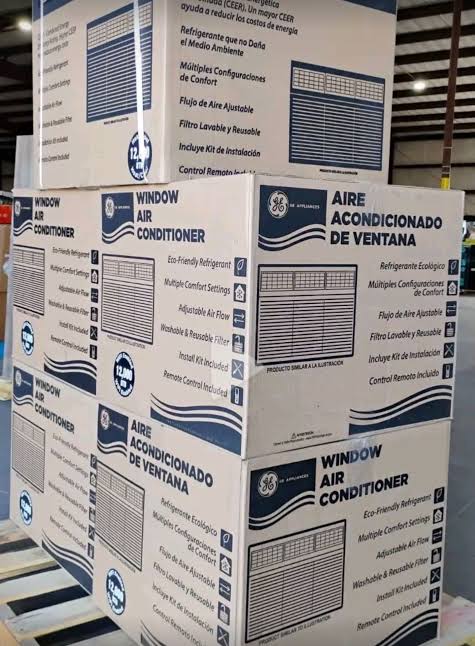
Brands Included: LG, Frigidaire, GE, Midea, Hisense, Whynter, Black and Decker, Arctic King, and more
Unit Types: Window air conditioners, portable air conditioners, through-the-wall units, mini split indoor and outdoor components, evaporative coolers, and accessory kits
Capacity Range: Mixed BTU ratings, generally 5,000 to 14,000 BTU for window and portable units, with occasional 18,000 BTU and larger units
Items per Pallet: 20+ units in assorted models and sizes
Estimated Retail Value: Up to $7,400+
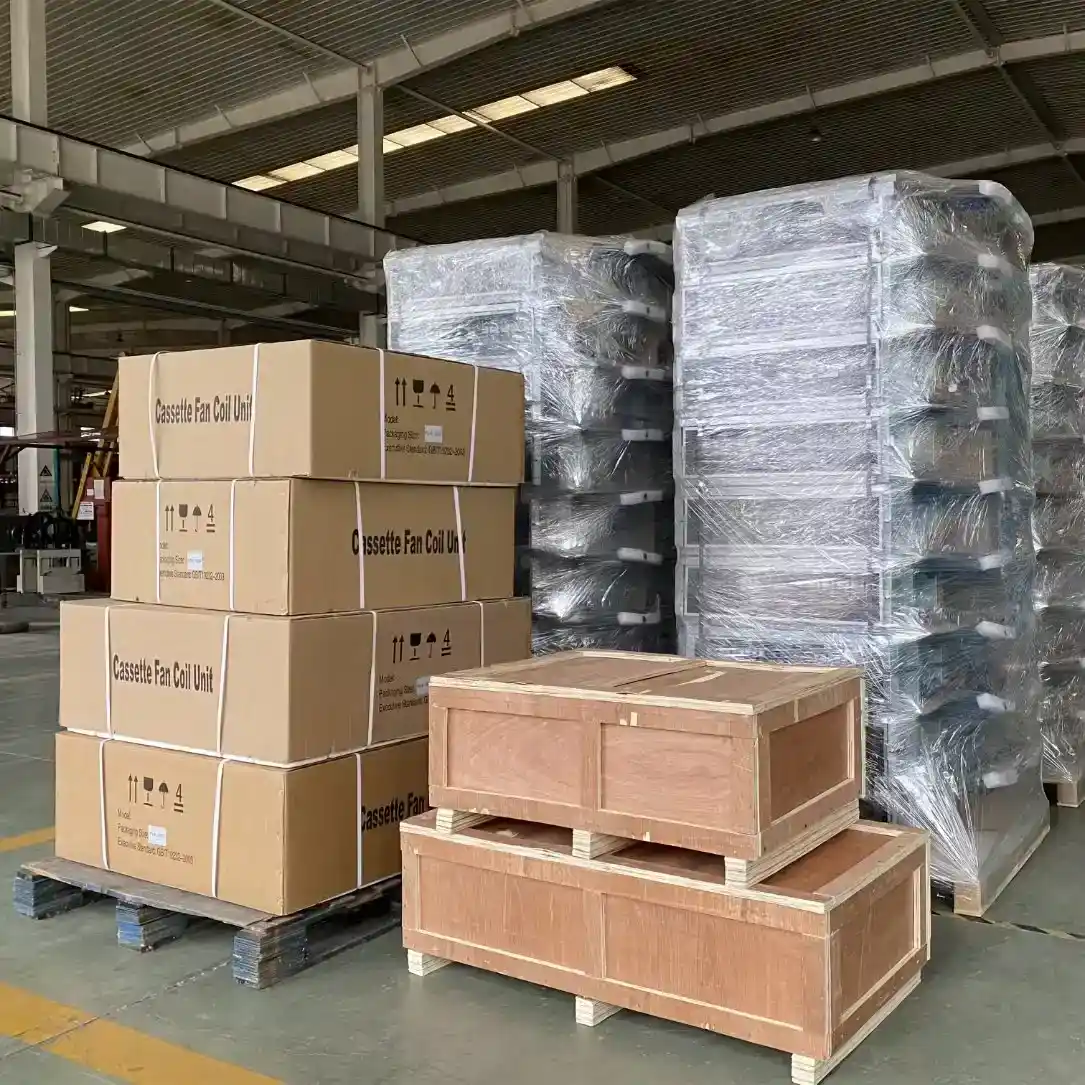
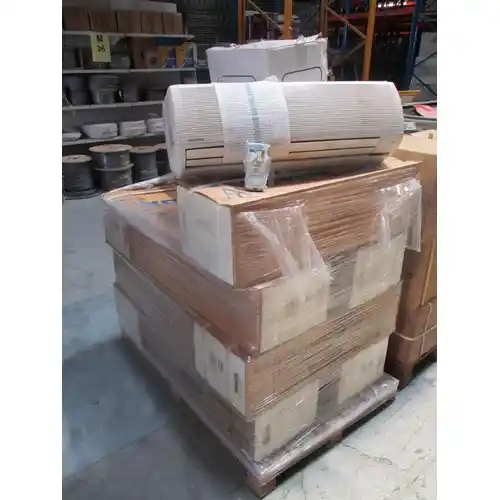
Packaging: Mostly original manufacturer cartons with foam inserts, some repackaged or open-box units, stretch wrapped and strapped to a standard 48 by 40 inch pallet
Distribution Agreement Required: No
Shipping Area: Fast freight delivery across the USA and worldwide
Every air conditioner pallet ships with a manifest listing brand, model, BTU rating and recorded condition so buyers can review the contents before the load leaves the warehouse.
Product Disclaimer: Prices, availability, brands, models, BTU ratings, unit counts, packaging, condition grades and estimated retail values may vary between pallets. Request and review the current manifest, photographs, condition codes, testing notes and a freight quote before purchase. Any claim that a supplier or unit is verified, tested, working or complete should be supported by current supplier documentation. We cannot confirm that every unit includes its remote, window bracket, hose kit, drain fitting or mounting hardware.
Detailed Breakdown by Category
Window Air Conditioners
Estimated Quantity: 6 to 9 units
Typical Capacity: 5,000 to 12,000 BTU
Common Brands: Frigidaire, GE, Midea, Arctic King, LG
Standard and low-profile window units are the highest volume category in most cooling pallets. Demand tends to spike from late spring through summer, and clean tested units with original window kits may resell quickly through local pickup listings and marketplace sales.
Portable Air Conditioners
Estimated Quantity: 4 to 6 units
Typical Capacity: 8,000 to 14,000 BTU
Common Brands: Whynter, Black and Decker, Hisense, Midea
Portable floor units appeal to renters and buyers in apartments where window installation is restricted. Units that still include the exhaust hose and window slider panel generally hold a higher resale value than incomplete ones.
Mini Split Units and Components
Estimated Quantity: 2 to 4 units or component sets
Typical Capacity: 9,000 to 24,000 BTU
Common Brands: LG, Midea, Senville style import brands, Pioneer
Ductless mini split indoor heads, outdoor condensers and line set kits carry strong per-unit value. HVAC contractors and repair shops are the main buyers for this category, including for parts recovery.
Through-the-Wall and Smart Wi-Fi Units
Estimated Quantity: 2 to 3 units
Typical Capacity: 8,000 to 14,000 BTU
Common Brands: Frigidaire, GE, LG, Friedrich
Through-the-wall sleeves and app-controlled smart units often retail well above standard models. Buyers should confirm sleeve compatibility and whether the mounting chassis is included.
Evaporative Coolers and Tower Cooling Units
Estimated Quantity: 3 to 5 units
Common Brands: Hessaire, Honeywell, NewAir, Costway style value brands
Swamp coolers and personal cooling towers move well in dry climates and at lower price points. They are lighter to ship than compressor units, which may help resellers who fulfill by parcel rather than freight.
Accessories, Parts and Untested Returns
Estimated Quantity: 2 to 4 items
Typical Contents: Window bracket kits, exhaust hose kits, remotes, filters, support brackets, line sets and damaged-box units
This category may include salvage-grade or untested returns suitable for parts recovery rather than direct resale. Repair shops often buy these for compressors, fan motors, control boards and remotes.
Brand and Category Disclaimer: Brand names, models, capacities and quantities listed above are examples and may not appear in every pallet. All trademarks belong to their respective owners. No affiliation with or endorsement by any listed brand is implied.
Example Pallet Manifest
Example Air Conditioner Pallet Manifest – Estimated Total: 20+ Units
| Item Type | Estimated Quantity |
|---|---|
| Window Air Conditioners, 5,000 to 12,000 BTU | 7 units |
| Portable Air Conditioners, 8,000 to 14,000 BTU | 5 units |
| Evaporative Coolers and Cooling Towers | 4 units |
| Through-the-Wall and Smart Wi-Fi Units | 2 units |
| Mini Split Indoor or Outdoor Components | 2 units |
| Accessory Kits, Parts and Untested Returns | 2 items |
| Total | 22 units |
Manifest Disclaimer: This is an example manifest only. Actual brands, models, BTU ratings, quantities, condition grades and total unit counts depend on available inventory. The current manifest issued for a specific pallet should be treated as the controlling product list.
Ideal for Appliance Resellers and Repair Businesses
These air conditioner pallets may be suitable for supplying:
- eBay and Amazon sellers
- Facebook Marketplace and local pickup sellers
- Flea market and swap meet vendors
- Discount and closeout retail stores
- HVAC repair shops and refurbishers
- Appliance outlet stores
- Property managers and landlords
- Online home and garden retailers
The combination of high retail pricing on cooling units and strong seasonal demand may create solid margin opportunities when units are tested, cleaned and sold individually.
Safety and Testing Disclaimer: Inspect and test every unit on arrival. Do not sell items with damaged cords, refrigerant leaks, cracked housings, missing safety labels, recalled model numbers or missing required components. Buyers are responsible for confirming electrical safety, refrigerant handling rules, EPA requirements, local appliance resale regulations, warranty status, import rules and marketplace listing restrictions before selling.
Profit Disclaimer: Estimated retail values, resale prices and profit margins are provided for general informational purposes only. Actual results depend on brand, model, BTU rating, condition, completeness, season, local demand, marketplace fees, freight and storage costs, repair expenses, taxes and pricing strategy. No sales volume, retail value or profit is guaranteed.
What Are Air Conditioner Pallets?: Types Brands Where To Buy
Cooling units are heavy and expensive to ship individually, which is why resellers rarely make a profit from selling them separately. Air conditioner pallets solve this problem by bundling multiple units into a single freight shipment at below-retail prices. The same term also describes the physical platform designed to safely carry that weight. This guide clarifies the two meanings, covers the types and brands of unit you are likely to encounter, and provides the information you need to judge whether a quoted load is genuinely worth buying.
Key Takeaways
- Air conditioner pallets are bulk lots of cooling units sold as one freight load, usually assembled from retailer overstock, shelf pulls, and customer returns.
- The same term also refers to the heavy-duty wooden platform used to ship HVAC equipment, so confirm which meaning a supplier is using before you negotiate.
- A written manifest listing model numbers, quantities, and condition grades is the single most important document in the transaction.
- Judge every quote on landed cost per sellable unit rather than on the headline pallet price.
- Never open a sealed refrigerant circuit without proper certification, and always check units against current recall listings before resale.
- Inspect, photograph, and test the load on the day it arrives, because freight damage claims carry short filing windows.
- Plan for a portion of any returns-heavy load to be parts value only, and price your offer against that assumption rather than a best case.
What Are Air Conditioner Pallets?
An air conditioning pallet is a lot of cooling units ready for shipping, sold as a single purchase rather than as individual products. Suppliers compile these lots from retailers’ overstock, end-of-season shelf resets and returned inventory, and then sell the entire pallet to resellers, repair shops, discount retailers and contractors at a lower cost per unit than retail.
Packaging is more important here than with most other merchandise. The units usually sit in their original manufacturer’s boxes on a standard 122 by 102 cm platform, which is stretch wrapped and strapped down. The heaviest compressor units are placed on the bottom deck, with lighter coolers, fans and accessory boxes stacked above. Due to the weight and volume involved, almost all loads are transported by less-than-truckload freight rather than by parcel carrier.
A properly assembled load includes a mix of unit sizes and brands, plus a manifest listing model numbers, quantities and condition codes. Treat that manifest as the definitive description of what you are buying. If a supplier will not provide one before payment, you are effectively bidding blind on an expensive, low-liquidity product that is costly to return and store.
Photographs of a shrink-wrapped pallet tell you very little. Ask for images of individual cartons, any crushed or watermarked packaging, and the pallet deck itself. A supplier who is comfortable with their inventory will provide these without hesitation.
There is one further distinction worth settling early. Search results for this term combine two different products: the merchandise load described above and the wooden shipping platform designed to carry HVAC equipment. Both are covered in this guide, and the sections on load capacity and recycled pallets deal specifically with the platform itself.
What Types Of Units Are Included In Air Conditioner Pallets?
Most loads combine window units, portable floor units, and occasionally ductless mini split components. The blend depends entirely on what the source retailer was clearing that season, which is why two pallets from the same supplier can look very different.
| Unit Type | Installation | Typical Buyer | Resale Watch Point |
|---|---|---|---|
| Window AC | Sash mount with bracket | Homeowners, landlords | Missing support bracket |
| Portable AC | Floor standing, hose vented | Renters, offices | Missing hose or window panel |
| Through-the-wall | Permanent wall sleeve | Property managers | Sleeve often sold separately |
| Mini split | Licensed installer required | HVAC contractors | Line set and both halves needed |
Window units transfer their weight onto the window frame or a support bracket. Therefore, a unit that arrives without its bracket hardware is harder to sell to a cautious retail buyer. Portable units vent through a sliding window panel, making them ideal for renters and office tenants who cannot modify a window opening.
Mini splits behave differently to everything else on the pallet. They require refrigerant line work and a licensed installer, so they are sold to trade buyers rather than marketplace flippers. An indoor head without its matching condenser is worth considerably less than half of a complete system because pairing across brands is rarely practical.
Loads often contain additional products too. Dehumidifiers, evaporative coolers, tower fans, air purifiers and loose accessory kits all regularly appear in cooling-season liquidation. These items are lighter and easier to ship individually, often clearing faster than compressor units. This makes them useful for smoothing cash flow while larger stock remains unsold.
A portable unit missing its exhaust hose and window kit loses most of its value. Ensure the entire load is complete before pricing individual items, and keep orphaned accessories rather than discarding them, since they often complete another unit later.
What Are The Common Brands Found In Air Conditioner Pallets?
The brands that appear most frequently are those with the highest sales volume in the US big-box market. These are commonly LG, Frigidaire, GE, Midea, Hisense, Arctic King, Whynter and Black & Decker. High retail volume results in a higher proportion of returns and overstocking, which is why niche, premium or commercial-only manufacturers are rarely found in consumer liquidation pallets.
Resale strength is more closely related to brand tier than to the brand name alone. Widely recognised names tend to sell faster at a given price point because buyers recognise them and assume parts availability. Value-tier brands rely on price, operating with thinner margins, though they can still be profitable when acquisition costs are low enough and units are tested cleanly.
Efficiency ratings also affect what buyers will pay, particularly in states with high summer electricity costs. Energy-efficient models have a genuine selling point, and you can check certified products against the room air conditioner listings published by ENERGY STAR before setting your prices.
One practical note on brand mix: manifests sometimes list a headline brand that represents only a small proportion of the load. Read the quantity column rather than the brand column. For example, a pallet described as containing a premium brand may actually hold three units of that brand and seventeen units from a value tier.
No supplier can guarantee a specific brand mix in a load. The brands mentioned are provided as examples only; all trademarks belong to their respective owners, and no affiliation or endorsement is implied.
Where To Buy Wholesale Air Conditioner Pallets?
Air conditioner pallets can be sourced from direct liquidation suppliers, retailer-operated liquidation marketplaces, B2B auction platforms and regional wholesale distributors. Each channel balances price with information quality, so the best option for your business depends on how much uncertainty you can tolerate.
Direct suppliers generally provide the clearest manifests and a point of contact who can answer questions before you commit. Auction platforms often offer the lowest entry price, but you often have to bid with limited information and accept whatever arrives, including packaging damage that was never photographed. Regional distributors offer more consistent conditions at a higher cost per unit.
Before sending money, confirm all of the following:
- A written manifest with model numbers, quantities, and condition codes.
- A verifiable business address and state registration.
- An itemized freight quote, including liftgate and residential fees where applicable.
- A written policy covering shortages, concealed damage, and freight claims.
- Photographs of the actual inventory rather than stock images.
- A named contact willing to answer questions by phone before payment.
Watch for the warning signs as well. Pressure to pay by irreversible methods, refusal to name the delivery origin, manifests without model numbers, and pricing far below every comparable quote all deserve scepticism. Liquidation is a legitimate industry with a persistent fringe of bad actors, and the cost of one bad load can wipe out the margin from several good ones.
If you want a manifest and freight quote for a current load, contact our team and ask for the condition grading breakdown before you decide.
What Are The Best Platforms For Wholesale Air Conditioner Pallets?
The best platform depends on whether your business can absorb uncertainty. If you have testing capacity and repair skills, auction channels usually deliver the lowest cost per unit. If you resell as-is, pay more for graded inventory and treat the premium as insurance.
| Channel | Typical Price Level | Information Quality | Best For |
|---|---|---|---|
| Direct liquidation supplier | Medium | High, full manifest | Repeat resellers |
| Retailer liquidation marketplace | Low to medium | Varies by lot | Experienced buyers |
| B2B auction platform | Lowest | Often unmanifested | Repair shops |
| Regional wholesale distributor | Highest | High, often tested | Contractors |
The freight structure is as important as the lot price. While some platforms quote shipping separately at checkout, others bundle it into the headline figure. A cheap load can become expensive once liftgate service, limited-access delivery or residential fees are applied. If you do not have a forklift or loading bay, a liftgate charge is unavoidable and should be factored into every price comparison.
Buyer premiums are another hidden cost. Auction platforms commonly add a percentage to the winning bid, meaning your effective purchase price is higher than the figure displayed. Always calculate the total cost before making a decision.
How To Get The Best Deals On Wholesale Air Conditioner Pallets?
Timing is the strongest lever available to a buyer. Cooling inventory clears heavily in late summer and into fall, when retailers reset shelves for heating season and liquidators want the floor space back before winter stock arrives.
- Ask for the price per unit rather than per pallet, so competing loads become directly comparable.
- Offer to take slower-moving categories alongside premium units in exchange for a discount.
- Commit to multiple pallets in one transaction for a volume rate.
- Arrange your own freight if you already hold negotiated carrier rates.
- Mention fast payment terms, which carry real value to liquidators clearing warehouse space.
- Build a repeat relationship, since suppliers routinely offer first refusal on good loads to reliable buyers.
Off-season buying carries a cost of its own. Calculate six months of storage, insurance, and tied-up capital before treating a low purchase price as a win. A pallet bought cheaply in October that sits until June has consumed warehouse space and cash the whole time.
What Are Air Conditioner Liquidation Pallets?
Liquidation pallets are made up of stock that a retailer no longer wants to hold, rather than current factory stock. New stock pallets contain uniform, sealed products from a single production run. Liquidation pallets deliberately mix conditions and models, which is precisely why they are cheaper.
The three standard categories are new overstock, shelf pulls and customer returns. Overstock consists of unsold, sealed products and is usually the cleanest tier available. Shelf pulls are display or floor models with intact packaging and generally intact functionality. Returns range from unopened change-of-mind boxes to genuinely faulty units. No supplier can promise a functional percentage unless this is specified in the sales terms.
Resale also carries disclosure obligations. Units sold as refurbished, open-box or returned must be accurately described in your listings. The general advertising principles set out in the business guidance materials published by the FTC apply to how you describe the condition, warranty status and functionality of the product. Marketplaces enforce their own rules on top of that, and misdescribed appliances can result in returns, chargebacks and penalties to your account.
Use case one: A marketplace seller purchases a load of twenty units at a total landed cost of 3,000 dollars, or 150 dollars per unit. Upon testing, it is found that sixteen units are sellable, two require parts and two are scrap. The real cost per sellable unit is therefore 187.50 dollars. With an average resale price of 320 dollars before fees, this purchase is profitable. If only eleven units had passed testing, however, the same purchase would have been marginal after marketplace fees and delivery costs were taken into account. The lesson is that profitability is determined by the sellable rate, not the sticker price.
How Much Do Air Conditioner Liquidation Pallets Cost?
There is no standard price. Liquidation pricing is quoted lot by lot and is driven by brand mix, BTU range, unit count, condition grade, whether the load is manifested, and whether the units have been tested. Any published price range should be treated as an indication, not a benchmark you can hold a supplier to.
The more useful figure is your landed cost per sellable unit. Work it out before agreeing to anything.
| Cost Component | How To Calculate | Commonly Missed |
|---|---|---|
| Lot price | Supplier quote | Auction buyer premium |
| Freight | Carrier quote to your address | Liftgate, residential, limited access |
| Storage | Monthly rate times months held | Long off-season holding periods |
| Sellable rate | Units expected to pass testing | Assuming 100 percent |
| Landed cost per unit | Total cost divided by sellable units | Parts, repair time, disposal |
Compared with retail, the appeal is straightforward. Buying twenty units individually at full price is not viable for a reseller, while buying them as one load and selling them individually across a season is where the margin sits. The trade is capital and risk in exchange for a lower unit cost.
One final cost is easy to forget: disposal. Units that cannot be sold or stripped still have to leave your building, and appliance disposal is neither free nor unregulated in most jurisdictions.
What Condition Are Units In Liquidation Pallets?
Expect three tiers in most loads, and price your offer against the worst realistic mix rather than the best.
| Grade | Packaging | Expect | Action On Arrival |
|---|---|---|---|
| New overstock | Sealed, intact | Full accessories | Spot check only |
| Shelf pull | Opened or scuffed | Usually functional | Confirm accessories |
| Customer return | Retaped, mixed | Unknown function | Full power test |
| Salvage or as-is | Damaged | Parts value only | Strip or dispose |
Work through the load on the day it arrives:
- Photograph the wrapped pallet before cutting it, in case a freight claim becomes necessary.
- Note any visible damage on the delivery receipt before signing for the shipment.
- Check every carton against the manifest and record shortages immediately in writing.
- Confirm accessories: hose, window kit, bracket, remote, filter, drain fitting.
- Power each unit on an appropriate circuit and confirm the compressor starts.
- Run each unit long enough to confirm cold discharge air, then sort into sell, repair, and scrap.
There are two compliance points to consider before anything can be listed. Firstly, the model and serial numbers must be checked against the current consumer product recalls published by the CPSC, since recalled units must not be resold. Secondly, since air conditioners contain refrigerant, the Section 608 requirements administered by the EPA stipulate who can service sealed systems and how appliances must be handled when they are disposed of. Do not open a refrigerant circuit or scrap a unit unless you are a certified technician or a compliant recycler.
Set aside any unit with a damaged cord, cracked housing, missing safety label, or a suspected leak. These are not candidates for quick resale regardless of brand.
Why Buy Air Conditioner Pallets Instead Of Individual Units?
Bulk buying reduces the acquisition cost per unit, consolidates freight into one shipment and provides sufficient inventory to meet peak demand without the need for mid-season restocking. One delivery replaces dozens of separate orders and handling events.
In a seasonal category, depth matters as much as price. For example, holding ten window units in June means you can supply a landlord, a small motel or a weekend market stall without turning business away during the short period when demand peaks and retail stock runs low. Demand for cooling products is concentrated into a few weeks, so sellers who run out of stock during a heatwave miss out on the entire opportunity.
There is also a sourcing advantage. Buyers who purchase consistently tend to get earlier access to better loads because liquidators prefer to move volume to a known account than relist items repeatedly.
What Are The Cost Benefits Of Buying Pallets?
The advantage compounds across purchase price, freight, and handling time rather than coming from any single line item.
| Cost Factor | Individual Purchase | Pallet Purchase |
|---|---|---|
| Unit price | Full retail | Wholesale or liquidation |
| Freight | Charged per item | Split across the load |
| Handling | Repeated receiving | One receiving event |
| Availability | Stock dependent | Immediate inventory depth |
Freight is the most underrated factor. A single LTL shipment carrying twenty bulky appliances costs far less per unit than twenty separate parcel deliveries, and it exposes you to fewer damage events along the way. Appliance cartons handled individually through a parcel network accumulate damage at a noticeably higher rate than palletized freight.
Inventory purchases may also carry business tax treatment, but the rules vary by state, entity type, and accounting method. Confirm the position with a qualified accountant rather than assuming a deduction applies to your situation.
Who Should Consider Buying Air Conditioner Pallets?
Pallet buying suits businesses that can either sell large quantities quickly or make productive use of imperfect units. This includes discount retailers, appliance outlets, HVAC repair shops, refurbishers, property managers, landlords and established marketplace sellers with storage capacity.
The most successful models share one capability: they can test, repair or absorb faulty units internally. For example, a repair shop can profit from a load that would be a total loss for a pure reseller, because non-functional units can be used for spare parts. A landlord with forty properties can use the stock internally and keep spares on hand.
Minimum viable scale matters too. If you cannot store, test and sell approximately twenty bulky appliances within a single cooling season, a full pallet could tie up the cash and floor space that you need elsewhere. It is usually better to start with a smaller graded lot than a large unmanifested one.
Use case two: A property manager with forty rental units needs replacement window air conditioners before summer. Buying a graded overstock pallet rather than retail units substantially reduces the cost per unit, and any faulty units can be used for spare parts for the rest of the fleet. As the units are used internally rather than resold, consumer disclosure is not a concern, though recall checking and electrical safety inspections still are.
Which Air Conditioner Pallet Should You Buy? Quick Decision Quiz
Answer in order. This quiz is a planning aid only and is not legal, financial, or safety advice.
Question 1: Can you test and repair units in-house?
Yes, continue to Question 2. No, continue to Question 3.
Question 2: Do you have covered storage for at least twenty appliances?
Yes, unmanifested auction loads and customer-return pallets will give you the best cost per unit, because your repair capacity converts risk into margin.
No, buy smaller graded returns pallets and clear them within one season to avoid storage costs eroding the discount.
Question 3: Are you reselling to end consumers?
Yes, continue to Question 4. No, buy tested or graded loads from a regional distributor and prioritize completeness over headline price.
Question 4: Can you absorb a load where a quarter of the units are unsellable?
Yes, manifested mixed-condition pallets are appropriate, provided you price against the lower sellable rate.
No, buy new overstock only, accept the higher cost per unit, and insist that the manifest grading is a contractual term of sale.
How To Choose The Right Pallets For HVAC Equipment?
If you are shipping air conditioners yourself, the choice of pallet is a safety and liability issue rather than just a packaging detail. HVAC cartons are dense and top-heavy, so an underrated platform may fail when being lifted, dropped or racked.
You should therefore assess the load capacity rating, the deck dimensions relative to your cartons, the board thickness, the stringer or block construction, the condition of the fasteners, and the moisture content. Block pallets allow forklift entry from all four sides, which is helpful in congested warehouses and reduces edge strikes that can split deck boards over time.
Overhang is the most common avoidable error. Cartons that extend past the deck edge lose support at the corners, where the compression strength is greatest and where the weight of the stack is concentrated. Handling practices are equally important, and the materials handling guidance published by OSHA covers stacking and mechanical handling expectations for heavy palletised freight.
Securement is the final piece of the puzzle. Stretch wrap alone cannot hold heavy appliances in place during hard braking. Banding or strapping to the pallet deck, combined with corner protection, prevents the load from shifting during transit.
What Load Capacity Is Needed For Shipping Air Conditioners?
Do not rely on assumptions about which unit type is heaviest, because a large portable or through-the-wall unit can easily outweigh a small window model. Read the stated shipping weight printed on each carton and calculate from those figures.
- List every carton and record its printed shipping weight.
- Total the weights, including packaging, accessories, and any dunnage.
- Add a safety margin above that total rather than working to the exact figure.
- Confirm the pallet’s rated dynamic and static capacity exceeds your calculated load.
- Confirm the racking capacity separately if the load will be stored at height.
Dynamic and static ratings are not interchangeable. Dynamic capacity covers the load while it is being moved by forklift or pallet jack. Static capacity covers the load at rest on a flat floor. Racking capacity is a third figure entirely, and it is usually the lowest of the three.
Using an underrated pallet risks deck board failure, load collapse, injury during handling, refused delivery, and denied freight claims, since carriers may decline liability where packaging was inadequate under their published terms.
Are Recycled Pallets Strong Enough For Heavy HVAC Equipment?
Sometimes. While a structurally sound, properly graded recycled pallet can carry heavy loads, its condition varies far more than that of new stock. Therefore, each pallet must be assessed individually rather than being trusted solely on its grade label.
Reject any pallet with a cracked or broken stringer, split deck boards, protruding or missing fasteners, visible mould, water saturation or heavy prior repair plating. The stringer is the structural spine of a stringer pallet, and a compromised one cannot support the weight of an appliance regardless of how sound the deck looks.
Moisture deserves particular attention. Wet wood loses strength, adds weight to your freight calculation and can stain or impart odours to cartons. Pallets that have been stored outdoors without cover are not suitable for carrying appliance loads.
Recycled pallets are suitable for short domestic journeys, lighter mixed loads and internal warehouse movement. For international shipments, choose new or heat-treated pallets, as these require ISPM 15 treated wood packaging. Also opt for new or heat-treated pallets for high-value single loads or anything that will be racked at height. Ask your supplier to state the grade on the invoice in writing.
Frequently Asked Questions About Air Conditioner Pallets
What Are Air Conditioner Pallets And How Do They Work?
Air conditioner pallets consist of a bulk lot of cooling units, which are sold together on one freight pallet at wholesale or liquidation prices. A supplier assembles the units from overstock, shelf pulls and customer returns. They then wrap and strap the load and ship it by LTL freight. The buyer then tests and sorts the units before reselling them individually.
Where Can You Buy Wholesale Air Conditioner Pallets For Bulk Resale?
Sources include direct liquidation suppliers, retail liquidation marketplaces, B2B auction platforms and regional wholesale distributors. Direct suppliers generally provide the most reliable manifests and condition grading. You should always request a manifest, written condition grading and an itemised freight quote before making payment.
Related products
-
Tool Pallets For Sale & Hardware
Buy Tool Liquidation Pallets (100–300 Assorted Tools – $450)
$450.75 Add to cart -
Tool Pallets For Sale & Hardware
Buy Ryobi Tool Pallets For Sale (60–120+ Mixed Power Tools-$900)
$900.00 Add to cart -
Home Depot Return Pallets
Buy Pallet Wood Floor For Sale (240+ Square Feet From $1,200)
Original price was: $1,200.00.$995.00Current price is: $995.00. Add to cart


Reviews
There are no reviews yet.