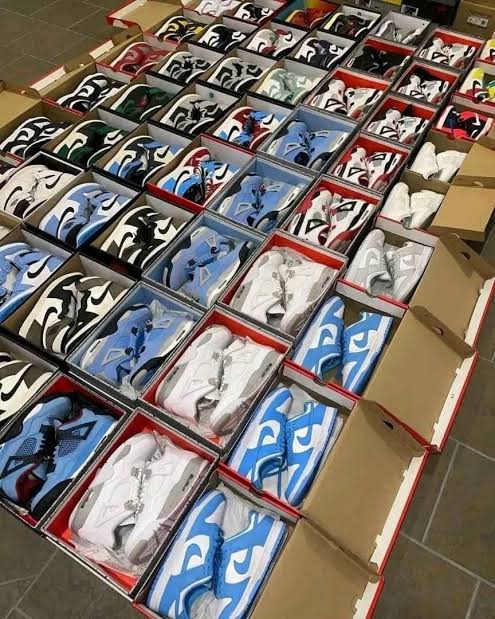
Buy sneakers wholesale pallets – Starting at $1,495 (100–200 Pairs)
Original price was: $1,850.00.$1,495.00Current price is: $1,495.00.
Starting at $1,495.00 per pallet (freight shipping and taxes not included)
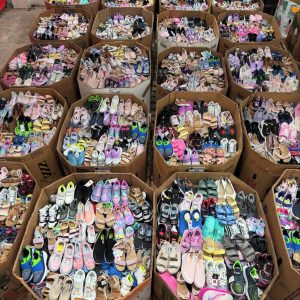
Sourcing sneakers wholesale pallets offers discount footwear retailers, online resellers, flea market vendors, and bin store operators an opportunity to acquire bulk athletic and casual shoe inventory. Selection, total pair count, packaging condition, and final pricing vary by individual pallet lot. Buyers should always review active listing details and manifest documentation prior to purchasing to verify exact lot specifications.
Key Listing & Manifest Details
-
Starting Price: Starting at $1,495.00 per pallet for eligible wholesale lots. Final costs vary based on lot size, merchandise grade, and destination freight fees.
-
Manifest & Inventory Status: Pallets may be fully manifested (itemized spreadsheet with brand, size, and style breakdowns) or unmanifested (assorted bulk lots). Confirm manifest status on the specific listing prior to checkout.
-
Items per Pallet: Typically contains 100 to 200 pairs per pallet. Exact unit counts are specified on each lot’s manifest.
-
Condition Grade: Liquidation inventory may include new-in-box overstock, retail shelf-pulls, open-box items, or uninspected customer returns with box wear or missing packaging. Review condition notes on the active listing.
-
Availability: Stock levels fluctuate rapidly. Buyers should verify real-time stock and lot availability before placing an order.
-
Resale & Distribution Rules: Resellers must comply with all local safety regulations, trademark laws, and platform-specific policies. Brand de-labeling or tag masking may be required prior to resale.
-
Shipping & Pickup: Shipped via standard LTL freight. Additional charges for liftgate service, residential delivery, and taxes apply. Zip-code freight calculations and local warehouse pickup options must be confirmed at checkout.
Product, Pricing & Brand Disclaimer
Starting prices apply to designated wholesale listings only; LTL freight shipping, liftgate charges, handling fees, and taxes are calculated separately at checkout. Liquidation footwear lots may consist of customer returns, shelf-pulls, or overstock that exhibit box wear, missing lids, cosmetic blemishes, or light signs of handling. Liquidated merchandise carries no guaranteed resale value, implied warranty, or profit return. Nike, Adidas, Puma, New Balance, Under Armour, Reebok, and Skechers are registered trademarks of their respective owners. The sale of this liquidation lot does not imply direct sourcing, authorization, endorsement, or official affiliation with any brand owner.
How to Verify Pallet Contents Using the Manifest
-
Manifested Pallets: Fully itemized spreadsheet detailing individual shoe styles, brand names, size runs (men, women, youth), pair quantities, condition codes, and original estimated MSRP.
-
Unmanifested / Assorted Lots: Merchandise sold by weight, total box count, or broad category. Contents rely on listing descriptions, condition grades, and representative pallet photos rather than a line-by-line inventory list.
-
Estimated Retail Value (MSRP): Stated retail values serve as historical references based on original manufacturer pricing and do not guarantee current market value, resale prices, or potential profit margins.
What Categories May Be Included in sneakers wholesale pallets?
-
Running & Training Sneakers: Performance mesh runners, gym trainers, and athletic cross-training shoes.
-
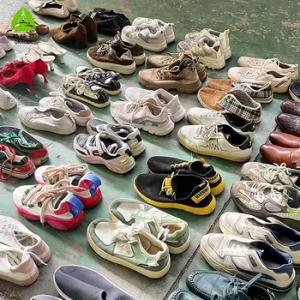
Lifestyle & Casual Sneakers: Low-top canvas shoes, retro court styles, and daily casual slip-ons.
-
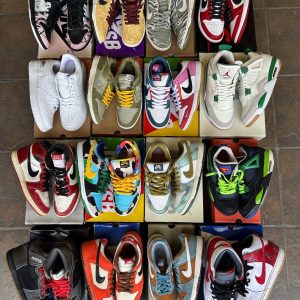
Basketball & High-Top Court Shoes: Mid and high-top athletic footwear designed for court sports and streetwear wear.
-
Youth & Kids Sneakers: Children’s, toddler, and grade-school athletic shoes across assorted size runs.
-
Walking & Comfort Footwear: Cushioned walking shoes, orthopedic-support sneakers, and daily lifestyle footwear.
-
Assorted Specialty Athletic Styles: Cleats, trail running shoes, and seasonal athletic footwear variations.
Contents Disclaimer: The categories listed above serve as realistic examples of what may be included in a footwear liquidation lot. They do not constitute a guaranteed breakdown. Exact brands, product styles, sizes, and quantities must be confirmed via the manifest attached to the specific pallet listing being purchased.
Sample 200-Pair Manifest Breakdown (Illustrative Example Only)
The tables below illustrate a hypothetical sample manifest for educational illustration only and do not represent the guaranteed contents of an active pallet.
Athletic & Performance Footwear
| Product Type | Sample Manifest Quantity |
| Running & Training Sneakers (Assorted Sizes) | 70 Pairs |
| Basketball & High-Top Court Shoes | 30 Pairs |
| Category Subtotal | 100 Pairs |
Casual & Comfort Footwear
| Product Type | Sample Manifest Quantity |
| Lifestyle & Casual Streetwear Sneakers | 50 Pairs |
| Walking & Comfort Athletic Shoes | 15 Pairs |
| Category Subtotal | 65 Pairs |
Youth & Specialty Athletic Footwear
| Product Type | Sample Manifest Quantity |
| Youth & Kids Athletic Sneakers | 25 Pairs |
| Assorted Specialty Athletic Styles | 10 Pairs |
| Category Subtotal | 35 Pairs |
Sample Manifest Summary Table
| Merchandise Category | Sample Manifest Quantity |
| Athletic & Performance Footwear | 100 Pairs |
| Casual & Comfort Footwear | 65 Pairs |
| Youth & Specialty Athletic Footwear | 35 Pairs |
| Verified Sample Pallet Total | 200 Pairs |
Sneakers Wholesale Pallets (What Included How Cost)
Although buying mixed athletic shoes by the pallet can seem cheaper than buying pairs individually, you cannot choose the size, colour or condition. You buy one freight unit and then sort through it to see what sells. This page explains what wholesale pallets of sneakers usually contain, how the cost is calculated, where the lots are sold, how liquidation grading is labelled and what you should verify before paying.
Key Takeaways
- A sneakers wholesale pallet is mixed pairs sold as one shipment, not a chosen SKU.
- The manifest and open-carton photos are the product. Marketing brand lists are not.
- Landed cost equals pallet price plus freight, minus unsellable pairs.
- Liquidation grades are seller terms. Ask for a written definition.
- Retailer names on a title do not prove source or authenticity.
- Local pickup can cut freight and reveal damage at the dock.
- Profit is not guaranteed. Dead sizes, fees, and defects reduce returns.
Sneakers Wholesale Pallets
A sneakers wholesale pallet is a mixed lot of athletic and lifestyle shoes stacked on a freight pallet. You are not ordering one model in one size. You are accepting a bundle that may include running, training, basketball and casual styles in a variety of sizes.
If you purchase a single pair, you can refuse the wrong size. A pallet does not. This is why the advertised unit price may appear low. It is also why you may find leftover sizes and scuffed boxes after opening cartons.
Lot size is not a national standard. Some sellers quote the number of pairs. Others quote cartons or approximate weight. Do not assume a precise number of pairs unless the manifest explicitly states it.
Resellers and small shops use these lots to stock up without a wholesale account for a specific brand. Their work involves inspection, photography, storage and absorbing stock that does not sell. Treat the pallet as a logistics purchase first and foremost. Fashion demand comes second, once you know what has actually arrived.
What Is Included In A Wholesale Sneaker Pallet?
Contents vary by supplier and date. Many lots mix unused overstock, shelf pulls, and customer returns. Some pairs are new in box. Others have opened boxes, missing extras, or light wear.
Common condition buckets:
- Overstock or closeout: unused goods that did not sell at retail speed.
- Shelf pulls: removed from the floor, sometimes with store stickers or crushed boxes.
- Customer returns: tried on, possibly worn, possibly incomplete.
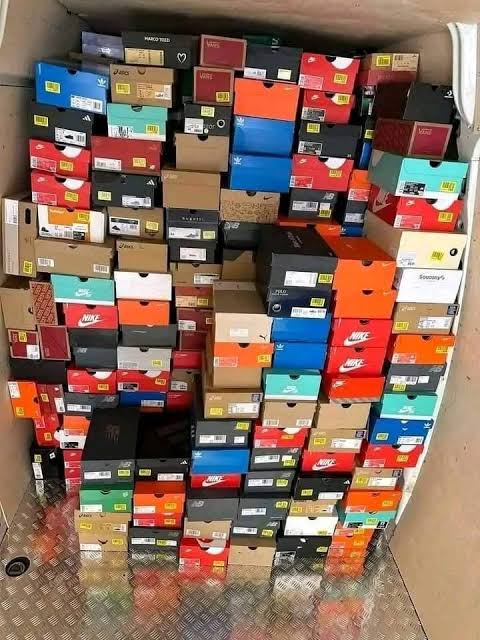
Listings often name Nike, Adidas, Puma, New Balance, Under Armour, Reebok, and Skechers. Those names are examples, not a promised assortment. Private-label and slower brands often fill remaining cartons. All trademarks belong to their owners. No retailer affiliation is implied.
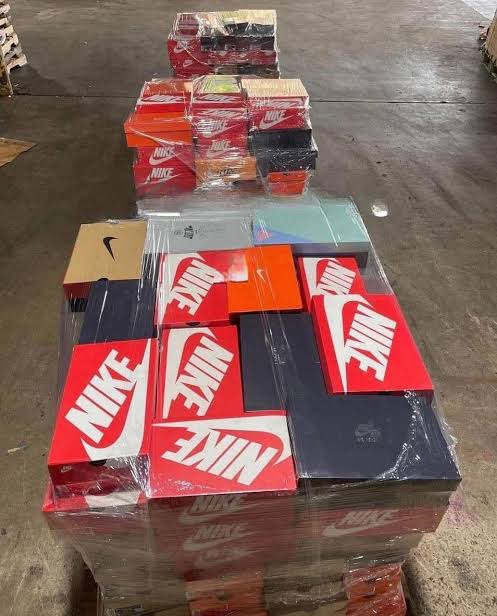
Packaging varies. Original boxes inside master cartons are common. Poly bags and rebox jobs also appear. Stretch wrap protects the freight unit. It does not guarantee every box is photo-ready.
Inspect on a clean floor with enough light:
- Count pairs against the manifest.
- Check left and right match, size tags, and odor.
- Note missing insoles, extra laces, or broken boxes.
- Photograph defects before you list.
- Separate anything you cannot honestly describe.
If a listing has no pair count, no size curve, and no photos of opened cartons, you are bidding on a description, not inventory.
How Much Do Sneaker Pallets Cost?
There is no official national price list. Advertised pallet totals and per-pair math change with brand mix, grade, quantity, and whether a detailed manifest is included. Treat any dollar figure you see in ads as a snapshot of that listing, not a market index.
Build landed cost before you buy. Pallet price is only the start. Freight, liftgate, residential delivery, labor, marketplace fees, and unsellable pairs all move the true cost per pair you can ship.
Footwear is heavy. A cheap hammer price far from your warehouse can lose to a slightly higher lot you can pick up. Ask for weight, freight class, and a quote to your ZIP code before you commit.
The table below is a decision tool, not a quote.
| Cost piece | Why it moves the number | Confirm before payment |
|---|---|---|
| Pallet total | Starting bid or invoice | What the price includes |
| Freight | Distance, weight, accessorials | Liftgate, appointment, claims |
| Sellable pairs | Defects and odd sizes | Photos plus shortage policy |
| Selling fees | Marketplace or store overhead | Your actual fee schedule |
Where Can You Buy Wholesale Sneaker Pallets?
Buyers use liquidation platforms, wholesale distributors, B2B marketplaces, and warehouse auctions. Direct suppliers may share manifests and repeat loads. Auctions may start lower and give less time to inspect.
Compare paperwork, not slogans. You need the seller’s business identity, shortage rules, and who files freight damage claims.
| Channel | Possible upside | Typical tradeoff |
|---|---|---|
| Direct supplier | Questions, repeat lots | Deposits and minimums |
| Auction | Occasional low close | Buyer premiums, less viewing |
| B2B listing site | Searchable catalog | Uneven seller quality |
| Local warehouse | Dock check, less line-haul | Narrower selection |
If you already know a supplier, request the current manifest, carton photos, and freight quote. Do not skip those because a listing says stock is moving.
Online purchasing still involves online shopping rights when you buy as a consumer. Many pallet deals are B2B. Read the terms. Consumer cooling-off rules may not apply to as-is commercial lots.
Are Sneaker Liquidation Pallets Worth Buying?
They can be worth it if landed cost per pair you can honestly list stays below your realistic selling price after fees. They are not worth it if you lack space, time to photograph defects, or cash to hold slow sizes.
Risks include extreme size runs, off-season colors, missing parts, used footwear rules on marketplaces, and counterfeit risk on hyped models.
Hypothetical use case A: A small online seller wants only sneakers. They receive a mixed return-heavy lot with many youth sizes they do not list. Paper cost looked fine. After freight and leftovers, the remaining adult pairs no longer clear a margin. The useful action is to refuse lots without a size run, or to partner with a kidswear seller before bidding.
Profit figures in marketing are informational only. No sales volume or margin is guaranteed.
What Are Wholesale Shoe Pallets?
Wholesale shoe pallets are broader footwear lots on the same kind of freight base. They may include sneakers plus boots, sandals, slippers, dress shoes, or work shoes. The customer set is wider. The sorting job is wider too.
General discount stores may want that mix. A sneakers-only shop may not.
How Do Shoe Pallets Differ From Sneaker Pallets?
Shoe pallets cover more use cases: weather, work, and everyday wear. Sneaker pallets concentrate athletic and lifestyle demand. If your buyers chase specific silhouettes, mixed footwear can sit. If you run a flea booth or family store, variety can help year round.
Hypothetical use case B: A rural general store can sell boots in fall and slides in summer. A mixed shoe pallet matches the aisle. A city reseller who only lists running shoes would spend weeks moving sandals. Match the lot to the channel, not to a brand word in the title.
Where Can You Find Shoe Pallets For Sale?
Sources include liquidation warehouses, wholesale directories, and regional auctions. Verify before money moves:
- Current manifest with quantities.
- Condition notes and open-carton photos.
- Shortage and return rules.
- Freight terms and claim responsibility.
- A real business identity you can check.
Vague titles stuffed with brand names and stock photos are a warning, not a bargain.
Can You Find Shoe Pallets For Sale Near You?
Sometimes. Pickup can cut line-haul cost and let you reject crushed freight at the dock. Shipped pallets add claims work if wrap fails in transit.
Search regional liquidation centers, public auctions, and warehouses that sell as-is remnants. Availability changes by metro area and season. “Near you” is a logistics search, not a promised storefront.
What Are Shoe Liquidation Pallets?
These lots often start as retailer overstock, customer returns, or closeouts. Prices may sit below cleaner wholesale because you take mixed condition. Strong brands can still appear. Worn pairs that must not be listed as new can appear in the same wrap.
How Does Shoe Liquidation Pallet Grading Work?
Grading is the seller’s vocabulary, not a statute. Common labels include Grade A, Grade B, and salvage. Meanings differ. Ask for the written sheet that matches your invoice.
A frequent pattern, which you must still confirm:
- Grade A: mostly unused or close to retail-ready.
- Grade B: box damage, light returns, missing extras.
- Salvage: defects, incomplete pairs, heavy returns.
A cheap salvage pallet is not a deal if most pairs cannot ship.
| Label | Often described as | Resale effect |
|---|---|---|
| Grade A | Cleaner mix | Less listing friction |
| Grade B | Mixed returns and boxes | More labor |
| Salvage | High defect risk | Parts, local as-is, or loss |
Are Shoe Liquidation Pallets Near You Easy To Find?
Not reliably. Auction calendars and leftover warehouse loads are uneven. Call about viewing hours. Ease depends on how fast you can pick up and how dense your region’s liquidation scene is.
What Are Foot Locker Liquidation Pallets?
Some listings claim to offer surplus or returned goods from Foot Locker. The marketing appeal lies in the recognition of the athletic retail brand. However, the claim is only as strong as the documents that prove how the goods left the retail outlet, who transferred them and what the current contents of the lot are. A logo in an advert does not constitute a chain of custody. Do not advertise a retailer’s name unless the supplier can document the source.
Are Foot Locker Liquidation Pallets Authentic?
Liquidation does not guarantee that the product is genuine. Counterfeits can enter mixed supply chains. Store returns can include fakes. High-demand trainers require extra care.
The USPTO’s overview of counterfeiting explains why unauthorised copies harm both buyers and brands. U.S. Customs also describes CBP IPR enforcement at the border. Neither page certifies a private pallet. They demonstrate that ‘it came from liquidation’ is not proof.
Practical steps:
- Verify the seller’s legal business details.
- Request sourcing paperwork for that lot.
- Inspect high-risk models before listing as authentic.
- Follow each marketplace’s authenticity and used-goods rules, including eBay authenticity standards where you sell.
If you cannot authenticate, do not claim authentic. Account loss is more expensive than one pallet.
Who Are Reliable Shoe Liquidators?
Look for reviews you can trace, licensing, a physical warehouse, and manifests that match photos. A person who answers condition questions beats a countdown timer.
| Signal | Healthier pattern | Warning pattern |
|---|---|---|
| Identity | Address and tax ID when asked | No location, pressure to wire |
| Inventory proof | Lot photos, pair counts | Mystery luxury names only |
| After-sale | Shortage and damage rules in writing | As-is with no count process |
| Brands | Trademarks used as examples | Implied official partnership |
Contact a liquidator after you have a manifest, photos, and freight numbers. First access to undocumented stock is not a benefit.
Branching quiz (lot fit, not financial advice)
Question 1: Do you need sneakers only, or mixed footwear?
If sneakers only, go to Question 2.
If mixed footwear, go to Question 3.
If you are unsure, reread the shoe versus sneaker sections.
Question 2: Can you store odd sizes and photograph defects?
If yes, prioritize sneaker lots with size runs and Grade A or B definitions in writing.
If no, do not bid on return-heavy mystery pallets.
Question 3: Do you have local pickup and a general retail mix?
If yes, a broader shoe liquidation pallet may fit.
If no, price shipped mixed lots carefully; freight and slow styles stack.
This quiz does not predict profit.
Frequently Asked Questions About Sneakers Wholesale Pallets
How Do Sneakers Wholesale Pallets Work For Resellers?
The rules vary by state, but many buyers register a business and obtain a seller permit or resale certificate where required. They also share their tax details with suppliers. You should review the official state guidance and the federal tax ID application process, and then consult a qualified professional before buying to resell.
What Is Included In A Wholesale Sneaker Pallet?
Inclusion is lot-specific. Many pallets contain a mixture of overstock, shelf pulls and returns from different brands and sizes. The manifest and photos determine the contents of the pallet. Without these, the contents are unknown.
Inspect every pair on arrival. Do not mislabel used or incomplete shoes as new. Follow the marketplace rules for the condition of footwear. The brand names mentioned in this article are for illustrative purposes only.
Related products
-
Shoes Pallets
Buy Jordan Liquidation Pallets – Starting at $995 (50–150 Pairs)
Original price was: $1,250.00.$995.00Current price is: $995.00. Add to cart -
Foot Wear PALLETS
Buy Nike Liquidation Pallets – Starting at $995 (100 Items)
Original price was: $1,200.00.$995.00Current price is: $995.00. Add to cart
Reviews
There are no reviews yet.