Buy Jordan Liquidation Pallets – Starting at $995 (50–150 Pairs)
Original price was: $1,250.00.$995.00Current price is: $995.00.
Starting at $995 per pallet (freight shipping and taxes not included)
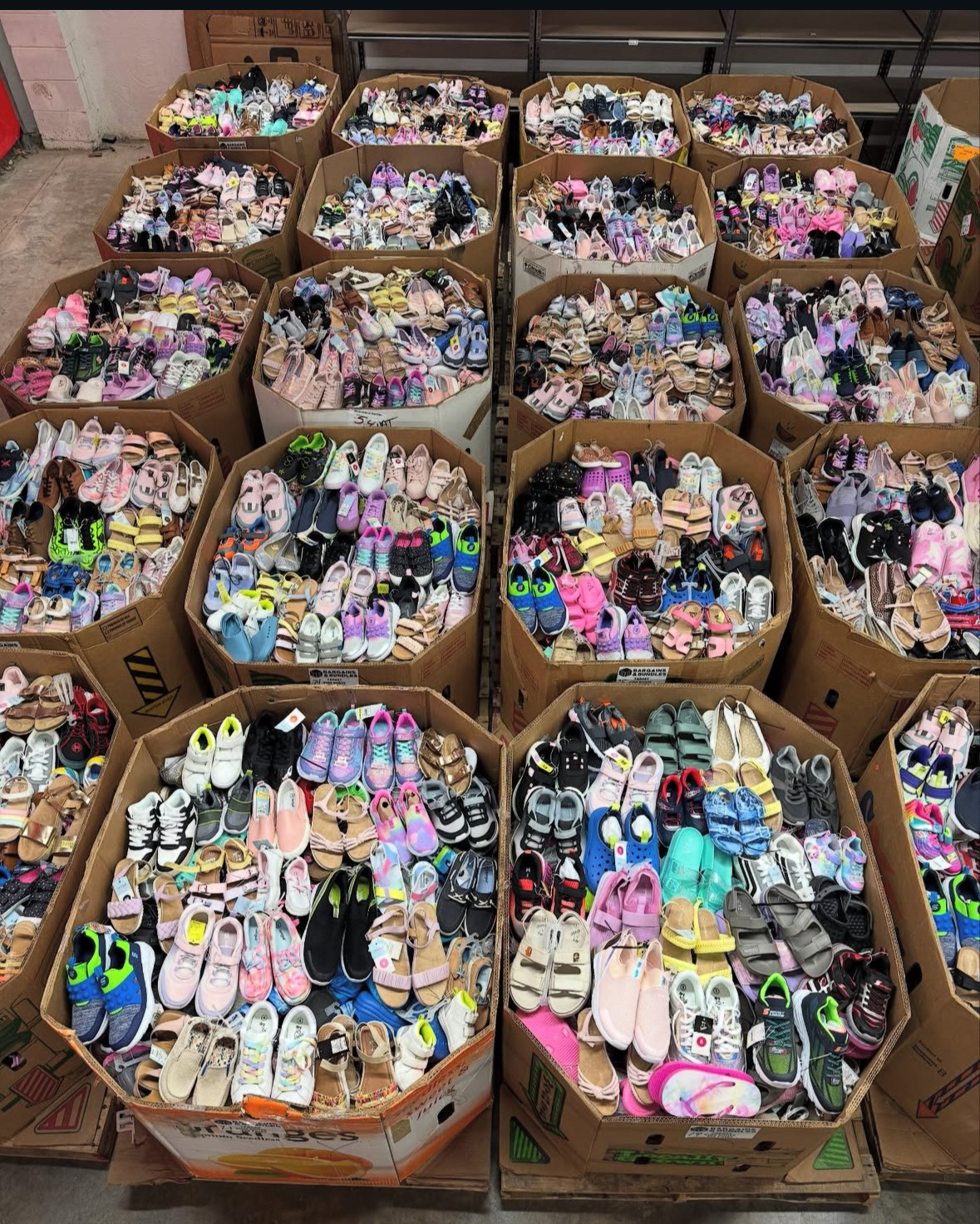
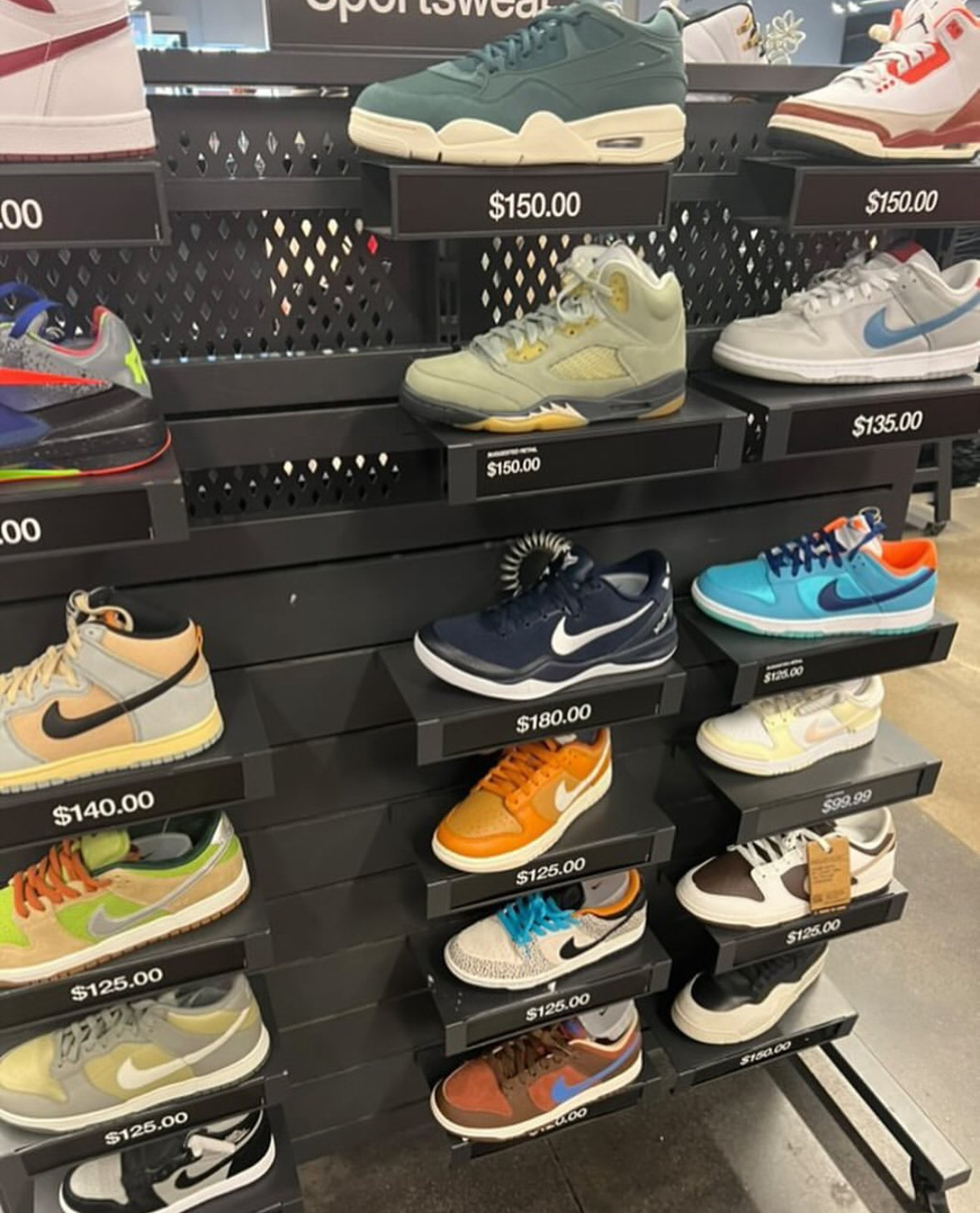
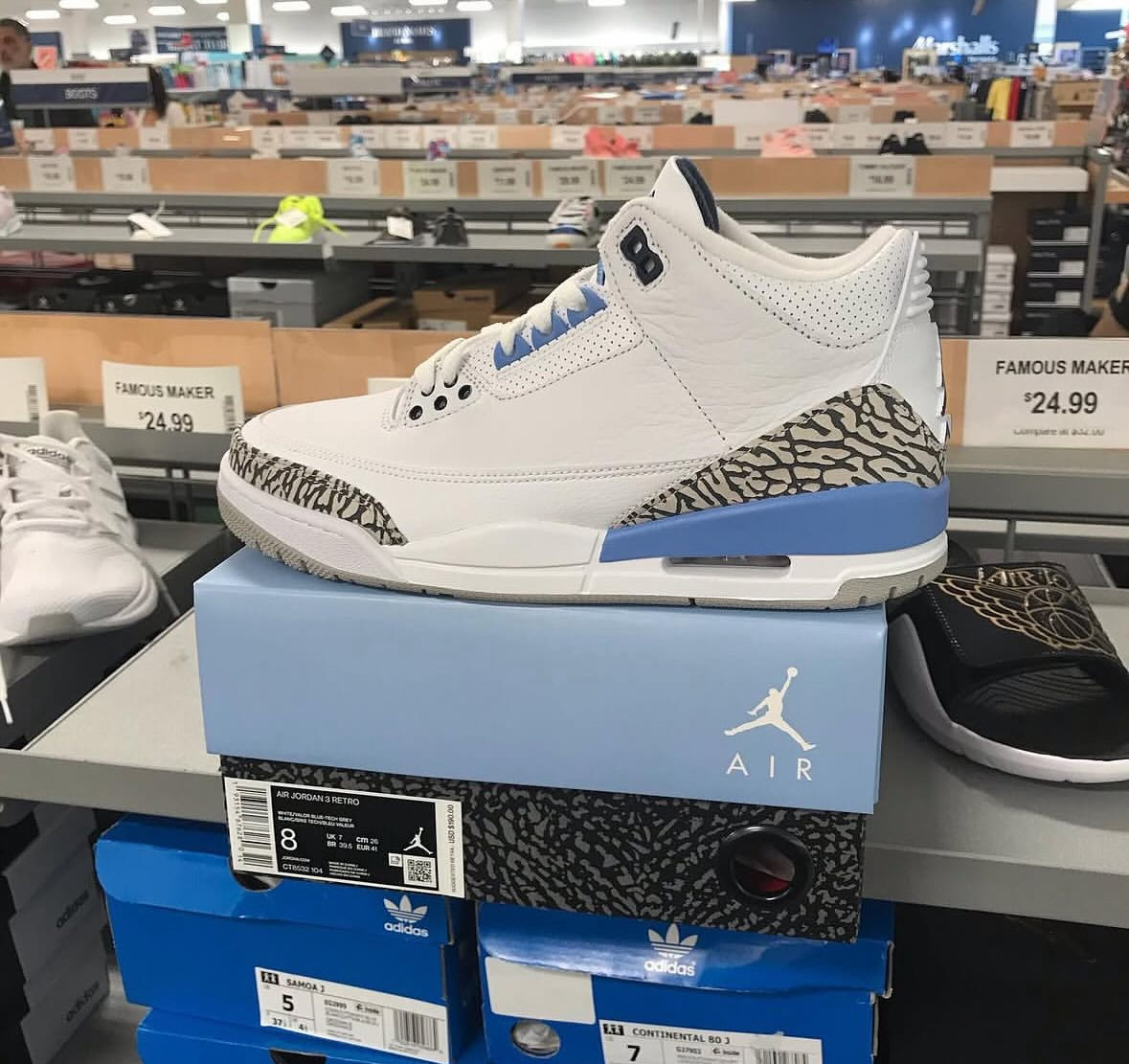
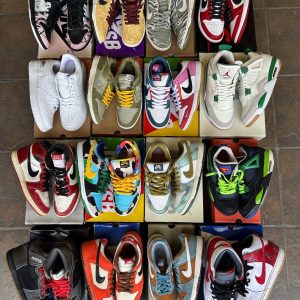
Acquiring Jordan Liquidation Pallets allows discount retailers, bin stores, flea market vendors, and online sellers to source assorted footwear and athletic apparel inventory in bulk lot sizes. Each liquidation lot offers a unique mix of inventory sourced from major retail overstock, customer returns, shelf pulls, and closeout stocks. Product selection, unit count, overall condition grade, and final delivered price vary by specific pallet and current warehouse availability.
Key Listing & Manifest Details
-
Starting Price: Starting at $995 per pallet for eligible unmanifested or standard liquidations. Final pricing varies by lot grade, total unit count, and manifest status.
-
Manifest & Inventory Status: Check the individual lot listing to confirm whether the pallet is Manifested (includes a detailed itemized inventory list) or Unmanifested / Assorted (sold by box count, category, or approximate unit range).
-
Items per Pallet: Typically contains 50 to 150 items (footwear pairs or apparel pieces) per pallet, depending on lot density and packaging style. Always check the active lot description for specific unit estimates.
-
Condition Grade: Liquidation inventory may include a mix of new in box, shelf pulls, open-box items, and uninspected customer returns. Condition details are noted on each specific listing.
-
Availability: Real-time warehouse inventory changes frequently. Buyers must verify active stock and lot reservation status before issuing payment.
-
Resale & Distribution Rules: Buyers are strictly responsible for complying with third-party marketplace rules, brand de-labeling mandates, and intellectual property requirements prior to resale.
-
Shipping & Pickup: Delivered via LTL freight. Freight charges, liftgate services, residential delivery fees, and taxes are calculated separately by destination zip code. Local warehouse pickup options may be available upon request.
Product, Pricing & Brand Disclaimer
Starting prices apply only to select liquidation lots. Total delivered costs will vary based on final LTL freight rates, zip-code delivery requirements, liftgate services, handling fees, and applicable sales taxes. Customer return lots may contain distressed packaging, missing shoe boxes, signs of handling, or unmatched pairs. Liquidation merchandise is sold “as-is” with no implied guarantees of resale value, sales volume, or resale profit margins. Jordan and Nike are registered trademarks of Nike, Inc. This wholesale listing is operated by an independent liquidation supplier and is not affiliated with, authorized by, sponsored by, or endorsed by Jordan Brand or Nike, Inc.
How to Verify Pallet Contents Using the Manifest
-
Manifested Pallets: Review the itemized manifest spreadsheet attached to the specific listing to inspect exact product descriptions, brand classifications, footwear sizes, itemized quantities, condition codes, and estimated original MSRPs prior to ordering.
-
Unmanifested / Assorted Lots: For unmanifested lots sold by weight, box count, or general footwear assortment, rely on the listing description, assigned condition grade, and actual pallet photography to assess lot composition.
-
Estimated Retail Value (MSRP): Stated retail values (MSRP) serve solely as historical manufacturer reference points and do not represent actual market value, current resale prices, or projected profit.
What Categories May Be Included in Jordan Liquidation Pallets?
-
Basketball Sneakers: Performance basketball footwear and court-inspired silhouettes (e.g., high-top performance models, team shoes, and court sneakers).
-
Lifestyle Sneakers: Everyday casual footwear (e.g., low-top leather sneakers, mid-top lifestyle shoes, and canvas slip-ons).
-
Retro-Inspired Sneakers: Classic basketball-inspired designs and heritage silhouettes (e.g., classic mid/high silhouettes, legacy colorways, and retro-style footwear).
-
Training and Athletic Footwear: Sport-focused training shoes (e.g., cross-trainers, running shoes, and workout footwear).
-
Youth and Kids’ Footwear: Footwear sized for younger demographics (e.g., infant, toddler, little kids, and grade school sizes).
-
Apparel and Accessories: Branded athletic apparel and gear (e.g., graphic tees, fleece hoodies, athletic shorts, socks, and sports bags).
Contents Disclaimer: The categories and items listed above represent common historical examples found in mixed liquidation loads and are not guaranteed. Exact brands, items, sizes, styles, and quantities must be verified via the manifest or listing documentation for the specific pallet purchased.
Sample 50-Item Manifest Breakdown (Illustrative Example Only)
The tables below illustrate a hypothetical 50-item sample manifest for educational purposes only. This example does not represent the guaranteed contents of any active or future liquidation pallet.
Category Sub-Tables
1. Basketball Sneakers
| Product Type | Sample Manifest Quantity |
| Men’s Performance Basketball Sneakers | 8 pairs |
| Women’s & Youth Basketball Sneakers | 6 pairs |
| Category Subtotal | 14 pairs |
2. Lifestyle Sneakers
| Product Type | Sample Manifest Quantity |
| Low-Top Casual Lifestyle Shoes | 6 pairs |
| Mid-Top & High-Top Casual Sneakers | 5 pairs |
| Category Subtotal | 11 pairs |
3. Retro-Inspired Sneakers
| Product Type | Sample Manifest Quantity |
| Adult Heritage / Retro Silhouettes | 5 pairs |
| Youth / Grade School Retro Silhouettes | 4 pairs |
| Category Subtotal | 9 pairs |
4. Training & Athletic Footwear
| Product Type | Sample Manifest Quantity |
| Men’s & Women’s Cross-Training Shoes | 4 pairs |
| Athletic & Running Footwear | 3 pairs |
| Category Subtotal | 7 pairs |
5. Youth & Kids’ Footwear
| Product Type | Sample Manifest Quantity |
| Toddler & Little Kids’ Sneakers | 3 pairs |
| Youth / Grade School Athletic Footwear | 3 pairs |
| Category Subtotal | 6 pairs |
6. Apparel & Accessories
| Product Type | Sample Manifest Quantity |
| Branded Athletic Tops & Hoodies | 2 pieces |
| Athletic Shorts & Bottoms | 1 piece |
| Sports Accessories (Socks, Bags, Hats) | 0 pieces |
| Category Subtotal | 3 pieces |
Sample Manifest Summary Table
| Merchandise Category | Sample Manifest Quantity |
| Basketball Sneakers | 14 pairs |
| Lifestyle Sneakers | 11 pairs |
| Retro-Inspired Sneakers | 9 pairs |
| Training & Athletic Footwear | 7 pairs |
| Youth & Kids’ Footwear | 6 pairs |
| Apparel & Accessories | 3 pieces |
| Verified Sample Pallet Total | 50 items total (47 pairs footwear + 3 apparel/accessories) |
Ideal for Independent Resellers
Bulk footwear liquidation pallets provide inventory options for:
-
Sneaker resellers and independent boutique owners
-
Online store operators and e-commerce merchants
-
Flea market vendors and discount bin store owners
-
Off-price retail outlets and local shoe shops
Condition, Resale & Profit Guidance
Buyers are urged to inspect all inventory upon LTL freight arrival. Do not market liquidation footwear as “new,” “unworn,” or “deadstock” unless the condition and authenticity can be independently verified. Resellers are solely responsible for adhering to brand trademark guidelines, marketplace policies, and tax laws. Estimated retail values and resale pricing references are for informational purposes only; actual profit, return on investment, and sales speed depend entirely on market demand, condition, pricing strategy, fees, and operational costs. No guaranteed resale return or sales volume is implied.
What Are Jordan Liquidation Pallets?
Jordan Liquidation Pallets offer a secondary market in authentic surplus footwear from major retailers, online liquidators and authorised distributors. These pallets typically contain customer returns, items removed from the shelves, or excess seasonal inventory that the original seller needs to offload quickly in order to free up warehouse space and capital.
For resellers, this presents significant margin potential. You are buying inventory at a significant discount to wholesale cost because you are taking on the risk of mixed conditions and varying sizes. While a standard wholesale lot offers predictable, first-run quality, liquidation provides a deep discount on mixed items. This requires expertise in sorting, grading, and marketing effectively, but the effort translates directly into greater profit. These pallets are best suited to experienced resellers with established sales channels, such as eBay or GOAT, or their own e-commerce site, as they have the necessary skills to quickly process and authenticate a mixed lot.
Here is how the typical sources and composition of liquidation pallets break down:
| Source Category | Typical Stock Condition | Resale Risk Profile | Best for Resellers Who… |
| Retailer Overstock | New in Box (NIB), Shelf Pulls | Low (Stock is generally Grade A) | Need high volume of current inventory. |
| Dot-Com Returns | Mixed: New (A), Lightly Used (B) | Medium (High mix of sizes/conditions) | Can clean, repair, and re-box effectively. |
| Carrier Salvage | Heavily Damaged Boxes/Footwear (C/D) | High (Often missing boxes or major defects) | Seek parts or deep-value, used market flips. |
The Takeaway: Liquidation stock is the fast-exit for the retailer and the high-margin opportunity for you. Understanding the source—Dot-Com Returns are the most common source today—is the first step in setting your profit expectation.
Key Takeaways
- Liquidation vs. Wholesale: Liquidation is a one-time discount on surplus stock (returns, overstock) for high-risk/high-reward margins; wholesale is a consistent B2B supply of brand-new, first-run inventory at fixed terms.
- Mitigate Risk: Never buy unmanifested lots from unverified sellers; always vet suppliers with sample buys and look for clear grading (A/B/C).
- Profit Potential: A single pallet can offer 100%–300% ROI, with hit models subsidizing lower-value inventory and driving overall margin success.
- E-E-A-T & Trust: Authenticity is paramount. Focus on suppliers who provide official grading and clear provenance to maintain trust with your buyers.
Wholesale Jordan Shoes?
Wholesale and liquidation are completely different commercial contracts. Wholesale Jordan shoes refer to a business-to-business (B2B) transaction in which a retailer or authorised distributor purchases brand-new, first-run inventory directly from the manufacturer or a primary channel partner at a pre-set discount off the manufacturer’s suggested retail price (MSRP).
This model is based on consistency rather than deep discounts. Although you pay more per pair, you receive a consistent manifest of brand-new items in specific sizes with robust return policies. Most manufacturers, especially a protected brand like Jordan, require substantial documentation for a wholesale account. This includes a valid business licence, tax ID and proof of a physical or verifiable e-commerce storefront. Often, there is also a minimum order value (MOV) of $5,000–$10,000 or more per order. The predictability is the value.
| Factor | Liquidation Pallets | Traditional Wholesale |
| Condition | Mixed (Returns, Overstock, Damaged) | New In Box (NIB), Grade A |
| Pricing | Deep Discount (30%–60% of Wholesale) | Fixed Discount (20%–40% of MSRP) |
| Supplier Relationship | Transactional, Spot Market | Contractual, Ongoing Partnership |
| Return Policy | As-Is, Final Sale | Generous (Typically 30–90 Days) |
| Documentation | Manifest (Often vague) | Detailed Manifest, B2B Invoice |
The Takeaway: If you are seeking a reliable, low-risk inventory stream for a large-scale storefront, wholesale is the path. If you are seeking maximum ROI and can handle the risk/labor of sorting mixed inventory, Jordan Liquidation Pallets are the answer.
Jordan Wholesale Distributors?
The hardest part of the sneaker business is accessing primary Jordan Wholesale Distributors directly. The brand maintains tight control over its supply chain through an allocation model. Authorised channel partners, or distributors, receive an inventory allocation from the brand based on their size, history, and physical location. This model is designed to protect brand equity.
- Territory Limits: Distributors often have specific territories, and you may be blocked from an account if you’re deemed too close to another authorized retailer.
- Allocation Rules: You will not simply order what you want. You are allocated a certain number of pairs based on the distributor’s own allotment, making it difficult to scale quickly.
This is why liquidation stock is so popular: it bypasses the demanding requirements of a direct wholesale account. For smaller resellers, the liquidation market is the de-facto ‘wholesale’ channel, offering access to the product without the red tape.
Verified Jordan Shoes Vendors?
The authenticity of your supply chain is non-negotiable — it forms the basis of your E-E-A-T in the eyes of your customers. In a high-value secondary market such as Jordan’s, the risk of counterfeits is real. Before transferring a large sum of capital, it is essential to establish trust.
We recommend a stringent vendor verification process:
- Request Proof of Provenance: Ask for the original liquidation contract or a verifiable audit trail to the original major retailer (e.g., Target, Macy’s).
- Check for an Established Record: Look for a liquidation vendor with a minimum of three years in business.
- Execute a Sample Order: This is the critical step. Purchase a small, low-value test lot of general mixed merchandise first to validate the manifest accuracy, shipping speed, and in-box condition claims before investing in a high-value Jordan pallet.
Use this simple checklist to protect your capital:
| Verification Stage | Action to Take | Risk Mitigation |
| Business Credibility | Verify company registration and check the Better Business Bureau for official complaints. | Avoids outright fraud and legal risk. |
| Product Provenance | Demand original manifest and lot photos from the supplier. | Ensures the product is not grey-market or counterfeit. |
| Physical Vetting | Place one small sample order before a bulk pallet order. | Validates grading and internal logistics claims. |
The Takeaway: Trust is built on transparency. A credible liquidator, like the team here at 1001 Pallet Liquidation, will openly share their source and encourage small sample buys to earn your business.
How To Spot Fake Jordans Before You List Them
Flooding customer return pallets with counterfeit sneakers risks permanent account bans. When I inspect wholesale inventory, I immediately verify the nine-digit box SKU against the interior size tag. Next, I count the panel stitches — authentic Jordans have eight to nine stitches per inch, whereas fake ones have loose threads. Finally, I scan the midsole using a 365 nm UV black light to detect any hidden fluorescent assembly lines.
Key Takeaways:
- Cross-reference box SKUs before listing inventory.
- Check stitch density for exact uniformity.
- Use UV black-lights to detect counterfeit stamps.
| Check | Real Jordans | Fake Replicas |
|---|---|---|
| UV Light | Clean, no glowing ink | Fluorescent assembly guide lines |
| Stitching | 8-9 stitches per inch | Loose, under 6 stitches per inch |
Jordan Shoes Liquidation Pallets For Sale Buy Bulk Sneakers Near Me?
Shipping costs are one of the biggest hidden expenses in the pallet business, which is why finding Jordan Shoes Liquidation Pallets for sale near you is a key strategy for maximising profit. Sourcing locally or regionally can dramatically reduce your landed cost per unit.
For instance, freight costs for a pallet of shoes travelling across the country can amount to $400–$700, adding $4–$7 to the cost of every pair in a 100-pair lot. Sourcing within a 150-mile radius enables you to use affordable local courier services or even to collect the pallets yourself with a truck or trailer. These savings directly increase your gross margin.
This table shows the drastic difference that distance makes on your final cost:
| Shipping Distance | Estimated Freight Cost (LTL) | Est. Cost Per Pair (100-Pair Pallet) | Strategic Advantage |
| Local (0–150 miles) | $150 – $300 | $1.50 – $3.00 | Instant ROI boost, faster processing. |
| Regional (151–500 miles) | $300 – $500 | $3.00 – $5.00 | Good balance of price and selection. |
| National (500+ miles) | $500 – $800+ | $5.00 – $8.00+ | Access to specialty/seasonal inventory. |
Selling Point: Why wait for a freight truck? Cut costs and accelerate your cash flow. Call For Nearby Pallet Pickup Windows And Same-Day Deals to drive immediate inquiries and see what is available in your region now.
How Much Does A Pallet Of Jordan Shoes Cost?
I never buy blind lots without calculating landed costs. A 50-pair assorted box starts around $650, while unmanifested truckloads exceed $15,000. Because liquidation pricing fluctuates daily, I apply a financial formula: add invoice price, freight shipping, lift-gate fees, and platform commissions, then divide by sellable pairs.
In one operational flip, I bought a $3,000 pallet containing 100 pairs. After adding $500 in freight fees, my true cost was $35 per sellable pair.
| Pallet Tier | Price Range | Est. Cost / Pair |
|---|---|---|
| 50-Pair Box | $650 – $1,500 | $13 – $30 |
| 100-Pair Lot | $2,000 – $5,500 | $20 – $55 |
What’s Included In Your Jordan Shoes Pallet?
When I open a bulk shipment, I would expect to find between 50 and 200 pairs of shoes, split across men’s, women’s and children’s sizes. The inventory usually includes lifestyle retros, performance trainers and slides. You should expect 10–30% of boxes to be damaged. Distributors never guarantee specific colourways. To protect consumer safety and avoid selling replicas, I verify trade standards through customs enforcement guidelines before reselling shelf-pulls.
Branching Quiz: Are you ready for bulk liquidation?
Step 1: Do you have a loading dock? If yes, proceed to LTL freight. No leads to Step 2.
Step 2: Can you absorb 20% box damage? If yes, buy Grade B returns. If not, buy overstock shelf-pulls.
Why Are Jordan Shoes Pallets Popular?
Jordan shoes are popular because they carry a level of brand equity that is almost unparalleled in the liquidation of consumer goods. The Jordan brand has significant crossover appeal, combining sports nostalgia, streetwear fashion and valuable collectability.
Unlike generic clothing or electronics pallets, which depreciate rapidly, Jordan trainers have proven to hold their value and often increase in price after release. This makes them more of an asset acquisition than a high-velocity liquidation challenge. Demand remains consistent across all channels, from local consignment shops to global platforms such as StockX and eBay. Every reseller knows they can sell the products quickly, converting inventory into cash flow faster than with almost any other item.
How Massive Is The Profit Potential?
The profit potential of Jordan liquidation is less dependent on the average cost per pair and more dependent on the ‘hit rate’ within the pallet. When you purchase a mixed lot, a few highly desirable models, such as the Air Jordan 1 Retro High, can generate enough profit to cover the entire cost of the pallet, meaning that you make a profit on every other pair.
Consider this real-world scenario where a single highly-desirable pair subsidizes the entire lot:
| Inventory Mix (100 Pairs) | Purchase Cost/Pair | Est. Resale Price/Pair | Total Profit |
| 10x Hit Models (A) | $50 | $250 | $2,000 |
| 60x Mid-Range Models (B) | $40 | $80 | $2,400 |
| 30x Low-Value Models (C) | $30 | $50 | $600 |
| Total Pallet Cost: $3,900 | Total Est. Resale: $8,900 | Net Profit: $5,000 (128% ROI) |
The Takeaway: This is why you buy liquidation—the profits are front-loaded by the high-value items, allowing you to quickly recycle capital and invest in the next, even larger lot.
How To Check The Condition Of Jordan Shoes Pallets?
The success of your resale depends entirely on accurate grading. When a liquidation manifest states that Jordan Shoes pallets are ‘customer returns’, that is a very broad category. Understanding grading terminology is key to unlocking the true value. Never trust a liquidator who refuses to provide a detailed breakdown of their grading system.
| Grade Terminology | Condition Description | Best Action for Resale |
| Grade A | New in Box (NIB), or Shelf Pulls. Box may have minor damage. | List immediately at top market price. |
| Grade B | Customer Returns, Worn once, Minor blemishes, Tags attached. | Light cleaning required. Price 10-20% below Grade A. |
| Grade C | Clearly Worn, Needs repair, Heavy box damage. | Repair, clean deeply, and list as “Used” or “Pre-Owned.” |
| Grade D | Missing box, Sole separation, Heavy defects. | Use for parts or sell in deep discount lots. |
If you buy Grade B or C inventory, your profit margin depends on efficient processing. Invest in high-quality cleaning supplies, minor repair kits, and plain replacement boxes. Even a simple $5 cleaning can turn a Grade C pair into a Grade B, increasing its resale value by $15 or more.
Risks And Challenges?
The liquidation game is not without risk, and honest liquidators address these head-on. The three main challenges when dealing with high-value sneakers are:
- Authenticity Issues: The biggest risk is counterfeit goods. A non-verified supplier can unknowingly or knowingly sell replica stock. You must have a robust internal authentication process to protect your business reputation and avoid selling fakes.
- Dead Sizes: Liquidation returns often favor highly undesirable or low-demand sizes. A pallet full of men’s size 6 or size 15 is difficult to move quickly. This leads to velocity risk, tying up your capital longer than expected.
- Cash Flow Strain: Because the profit is realized only after you receive, sort, clean, photograph, list, and sell the items, a large buy can strain your cash flow for 30–90 days. You need a dedicated operating budget to cover the float.
How To Mitigate The Risk?
To protect your capital and reputation, you should adopt a defensive approach to buying. We advise all new buyers to consult U.S. Customs and Border Protection immediately for guidance on importing branded goods, to ensure you fully understand your legal responsibilities regarding trademark infringement. This is not just a suggestion, but a critical compliance step.
- Inspection Protocols: Demand high-resolution photos of the actual pallet before it ships. Look for brand-specific details, not just generic stock images.
- Third-Party Checks: Use a service like CheckCheck or a local consignment shop to authenticate a few key pairs from your first lot. This small fee validates your entire supply line.
- Staggered Buys: Never invest your entire operating budget into a single large buy. Start small, validate the supplier, and scale up your commitment only after you have converted the first lot into profit.
Specialized Sneaker Platforms?
Once the Jordan Liquidation Pallets are processed, your sale channel is as important as your source. Different platforms carry different risks and reward structures:
| Platform | Best Use Case | Fees (%) | Buyer/Seller Protection | Average Sell-Through Time |
| eBay | High volume, Mixed Grade A/B | 10–13% | Excellent for both parties | Fast (1–7 days) |
| GOAT/StockX | Grade A/NIB, High Value | 9.5–12% | Highest Authenticity Standards | Medium (7–14 days) |
| E-Commerce Site | Curated/Bundled Lots | 0% (Except Payment Proc.) | Full Seller Control | Slowest (Requires Traffic) |
The Takeaway: Start with a high-trust platform like eBay to build your reputation and get a quick cash return. As your volume grows, drive traffic to your own site to capture 100% of the profit margin.
How To Buy Jordan Shoes Pallets?
The best places to find authentic Jordan Pallets are B2B marketplaces, local liquidation warehouses and reputable private auctions. The key is to find sellers who provide clear photos and detailed manifests, thereby reducing the risk of receiving a ‘mystery box’.
The most overlooked factor is proximity. The closer you are to the seller, the faster you will receive your inventory and the lower your total cost will be. Faster inventory turnover means faster cash flow, which is the lifeblood of a small business.
Where To Find The Best Jordan Shoes Pallet Deals?
The best deals are found through strategic timing and information arbitrage:
- Set Alerts: Use tools to set keyword alerts on B2B marketplaces for “Jordan Liquidation,” “Nike Overstock,” and “Footwear Returns.” You want to be the first to know when a lot drops.
- Off-Peak Buying: Pricing can soften during major holidays or in the first two weeks of January when retailers are clearing out year-end returns. This is your chance to capture better pricing.
- Negotiate Freight: Always try to bundle multiple lots onto a single truckload (FTL) if you have the capital. This dramatically lowers the per-pallet freight cost.
Manifested Vs. Unmanifested?
This is the ultimate trade-off between price and predictability for a Jordan pallet:
- Manifested Pallets: You receive a detailed list of every shoe, size, and condition. Price: Higher, often 10%–20% more than unmanifested. Predictability: High—you can model revenue down to the dollar.
- Unmanifested Pallets: You get a box count, weight, and general product category. Price: Lower, offering a deep discount. Predictability: Low—this is a true gamble.
For high-value stock like Jordan, always invest in the Manifested lot. Your ability to model revenue ensures you hit a minimum profit target, protecting your capital investment.
How To Read A Jordan Pallet Manifest Line By Line
I treat manifests as financial roadmaps, but I disregard the inflated manufacturer’s suggested retail price. First, I isolate the nine-digit SKU in order to pull historical sales data. Next, audit the condition codes, prioritising NIB over RET lots. To project realistic revenue, I multiply the total MSRP by a recovery rate of between 25 and 45 percent. You can verify accurate product sizing using the footwear sizing chart during intake audits.
| Manifest Field | Code Example | Operational Action |
|---|---|---|
| Condition | RET (Returned) | Inspect for box damage and wear |
| Retail MSRP | $125.00 listed | Discount by 60% for true resale value |
Tips For First-Time Jordan Pallet Buyers?
Starting with your first pallet of high-value sneakers can be daunting. Follow this simple checklist for a successful first run:
- Set a Hard Budget: Only invest what you can afford to lose. The liquidation game is high-risk.
- Vet Suppliers Ruthlessly: Go back to the checklist and complete your sample buy first.
- Plan Delivery: Ensure you have a dock or a forklift/pallet jack for unloading. Accessorial charges for “lift-gate delivery” can be $75–$150 and should be budgeted upfront.
- Build a Listing Workflow: Have your camera, lighting, and listing templates ready to go before the pallet arrives. The faster you list, the faster you get paid.
What To Do After You Receive Your Pallets?
The work begins the moment the pallet arrives:
- Count & Condition Log: Immediately open and compare the contents to the manifest. Take photos of any discrepancies or damage. This is your leverage for a freight claim or supplier dispute.
- Triage Inventory: Sort all pairs into “Quick-Sell” (Grade A/High-Demand) and “Longer Hold” (Grade C/Dead Size) piles. Get the Quick-Sell pairs listed immediately to recover capital.
- Immediate Storage: Store the boxes in a clean, dry, climate-controlled environment to prevent moisture damage and yellowing, which rapidly destroy your profit margin.
Shipping, Payment, And Delivery Terms
Shipping large quantities of footwear requires Less-Than-Truckload freight, which is governed by traffic regulations. If delivering to a residential garage without a loading dock, carriers will charge a mandatory lift-gate surcharge ranging from $75 to $150. Most distributors require wire transfers before dispatch. As liquidation operates on an ‘as is’ basis, returns are not accepted due to style preferences.
In a recent case, a local bin store owner ordered 200 pairs of Grade B returns and used lift-gate delivery to sort the salvage footwear profitably.
Fact-check: Liquidators do not guarantee 100% MSRP recovery; the industry consensus is that the resale yield is capped at 45%. Need margin automation? Use this prompt chat link to calculate landed freight costs.
| Delivery Type | Carrier Fee | Required Equipment |
|---|---|---|
| Dock Delivery | $0 Base Rate | Forklift or pallet jack |
| Lift-Gate Add-On | $75 – $150 | Hydraulic carrier lift |
Jordan 1 Wholesale?
Arguably the most important silhouette in sneaker history, the Jordan 1 carries unique considerations in the wholesale and liquidation markets. Demand for the Jordan 1 is heavily influenced by colourway (OG, Retro, Mid, Low) and size.
It is essential to be familiar with the current secondary market values for specific colourways before buying a pallet. The price difference between a popular “Chicago” colourway and a less popular “Mid” can be hundreds of dollars. Concentrate your research on colourways with a predictable resale market and those prone to price drops after major restocks.
Wholesale Jordans From China?
While a massive amount of footwear is manufactured in Asia, buying Wholesale Jordans From China directly for resale carries significant and often crippling risk. You must be prepared for the highest level of scrutiny.
The primary risks include:
- Counterfeit Risk: The prevalence of high-quality “reps” makes supplier audits an absolute necessity. You must perform on-site, third-party quality control.
- Import Duties & Compliance: You are responsible for all customs, duties, and tariffs, which can drastically increase your final landed cost. We advise all resellers to consult the U.S. International Trade Commission for the latest Harmonized Tariff Schedule (HTS) codes for footwear.
- Seizure Risk: If your shipment is flagged as counterfeit by U.S. Customs and Border Protection (CBP), it will be seized and destroyed, and you may face fines. This risk is too high for all but the most experienced and compliant importers.
Nike Liquidation Pallets?
As Nike owns the Jordan Brand, Nike liquidation pallets often include a mix of general Nike footwear (Air Max, Dunks, etc.) and Jordan styles. When sourcing a mixed pallet, you can often get a better price per unit because the non-Jordan inventory brings down the total pallet price.
The strategy here is to target the entire pallet for the Jordan items, while letting the mixed Nike stock serve as a zero-cost bonus. This enables excellent audience targeting, as you can sell the mixed Nike stock to a broader, lower-price audience while reserving the Jordans for your premium customers.
What Is Nike Overstock Liquidation?
‘Nike Overstock Liquidation’ refers specifically to brand-new inventory that has been moved out of the primary distribution channel due to seasonal cycles, slow sales of a particular stock-keeping unit (SKU), or excess manufacturing runs. It is typically Grade A (new in box) stock.
Unlike returns, which are used or damaged, overstock is the purest form of liquidation. Your strategy should be to price this stock aggressively in order to undercut primary retailers and take advantage of the high demand for new, popular styles. Avoid holding onto seasonal overstock for too long — a fresh pair of last season’s trainers will be worth far less in six months’ time.
Frequently Asked Questions About Jordan Liquidation Pallets
Where Can I Buy Authentic Jordan Liquidation Pallets In Bulk?
Authentic Jordan liquidation pallets are sourced from two main channels: major retailer liquidators and verified B2B marketplaces that collaborate with these liquidators. Look for vendors with a proven track record in selling branded goods who can provide a chain of title to the original store. Avoid social media sellers entirely, as the fraud rate is exceptionally high. Here at 1001 Pallet Liquidation, we prioritise verified sourcing to guarantee authenticity for our B2B partners.
How To Buy Wholesale Jordan Shoes Directly From Distributors?
To buy wholesale Jordan shoes, you need to register your business, establish a verifiable retail presence (either physical or professional e-commerce) and secure a wholesale account with an authorised distributor. This multi-month process requires a financial commitment, adherence to annual order minimums and strict compliance with the brand’s resale policies. You cannot simply apply online and expect to receive a pallet of shoes; this is a serious, long-term business-to-business relationship reserved for established brick-and-mortar retailers or high-volume online retailers.
11 reviews for Buy Jordan Liquidation Pallets – Starting at $995 (50–150 Pairs)
Related products
-
Foot Wear PALLETS
Buy Nike Liquidation Pallets – Starting at $995 (100 Items)
Original price was: $1,200.00.$995.00Current price is: $995.00. Add to cart

Marcus L. –
Bought one pallet to test the waters and was impressed overall. Sorting took time but several pairs sold within days. Freight was a bit slower than expected but nothing major.
Evan Brooks –
Solid experience from start to finish. Manifest was close to accurate and most pairs were in better shape than expected. Will likely reorder.
Daniel R. –
These pallets move fast once listed. Had a mix of sizes but demand covered it quickly. Good value for the money.
Luis M. –
I was cautious at first but the quality breakdown matched what was advertised. A few standout pairs covered most of the pallet cost.
Anthony J. –
Great option for experienced resellers. You need to sort and clean, but the upside is real if you know the market.
Kevin H. –
Freight arrived intact and well wrapped. Boxes had some wear but shoes were mostly clean and easy to prep.
Brian C. –
This was my second pallet and consistency was there. A few slower sizes but nothing unexpected.
Jordan P. –
Good mix of classic and newer styles. Took about two weeks to fully sell through.
Samuel T. –
Pricing made sense given the condition spread. Clear resale opportunity if you plan ahead.
Owen D. –
I liked that the condition ratios were realistic. Nothing felt exaggerated or misleading.
Victor S. –
Not beginner friendly, but strong margins if you already resell sneakers regularly.