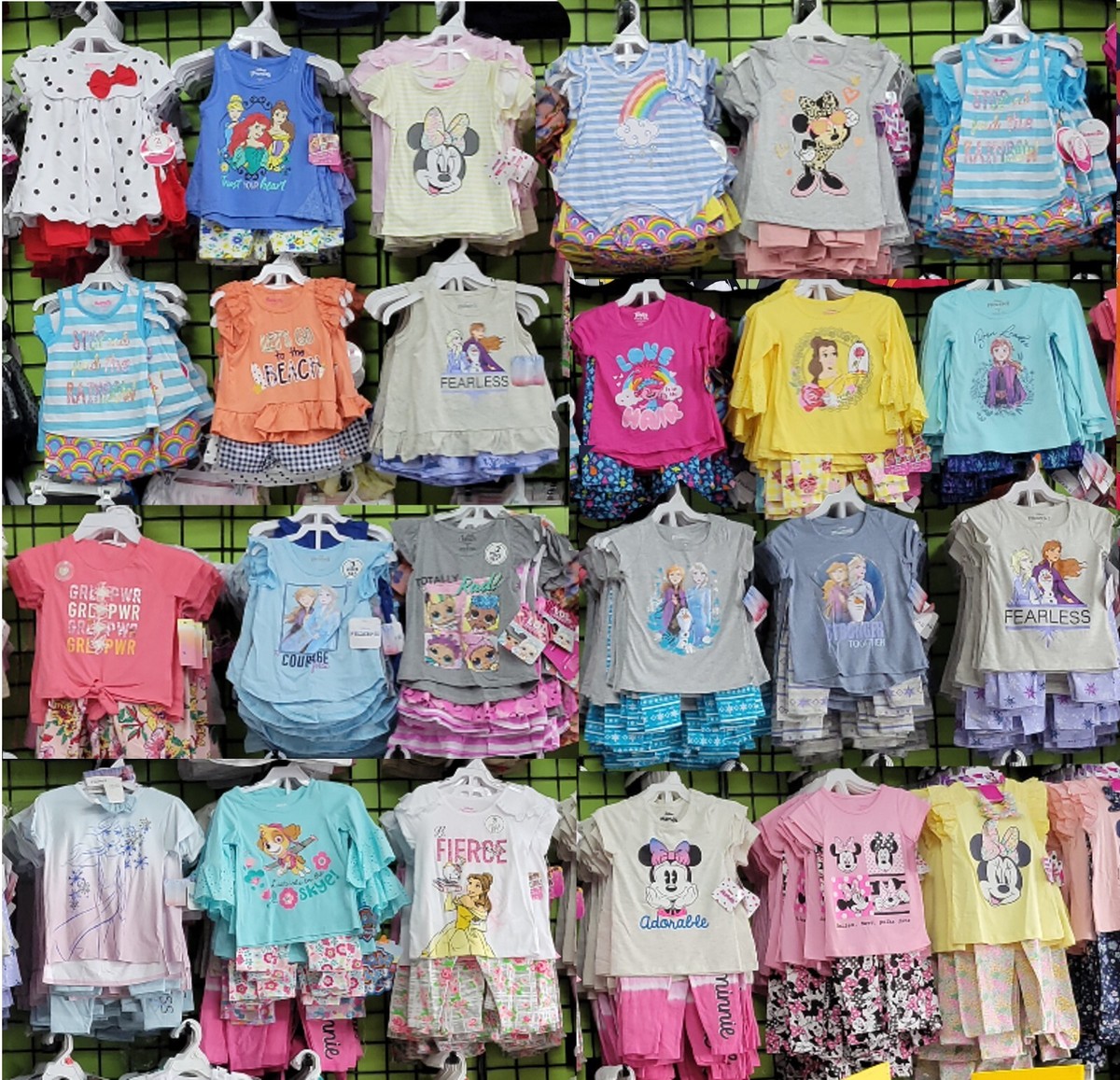
Buy Kids Wholesale Clothing For Sale (250+ Pieces From $950)
$950.00
Current Price: From $950 Per Pallet
Status: In Stock – Ready To Ship
Seller: Verified U.S. Clothing Liquidation Supplier
Source: Major Retailer Overstock, Shelf Pulls and Customer Returns
Condition: Mixed – New With Tags, Like-New, and Light Customer Returns
Brands Included: Carter’s, OshKosh B’gosh, Nike Kids, Adidas Kids, H and M, Gap Kids, Old Navy and More
Sizes: Mixed Infant, Toddler, and Youth Sizes (0 Months to 16 Years)
Items per Pallet: 250+ Pieces Assorted Styles
Estimated Retail Value: Up To $6,500+
Packaging: Original Tags, Poly Bags, Folded Apparel, Master Cartons, Secure Freight Wrap
Distribution Agreement Required: No
Shipping Area: Fast Freight Delivery Across USA and Worldwide
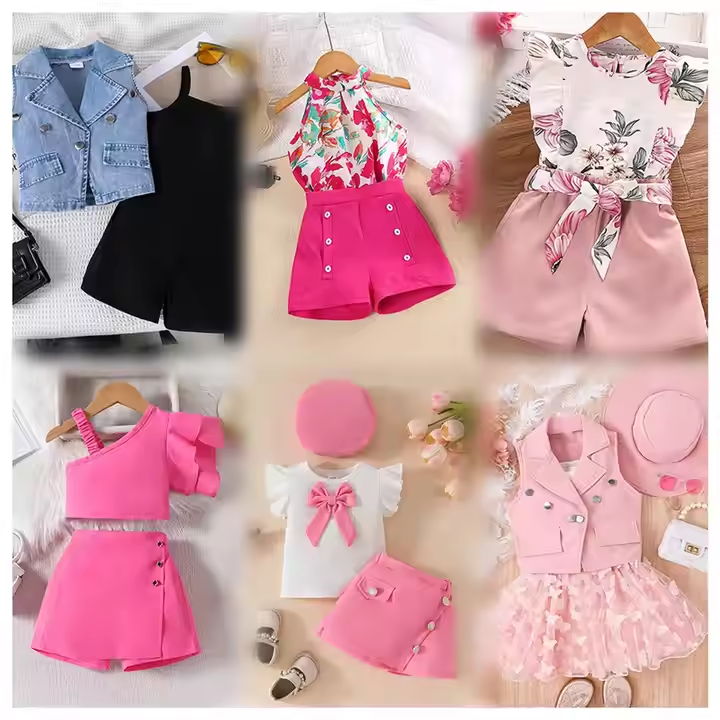
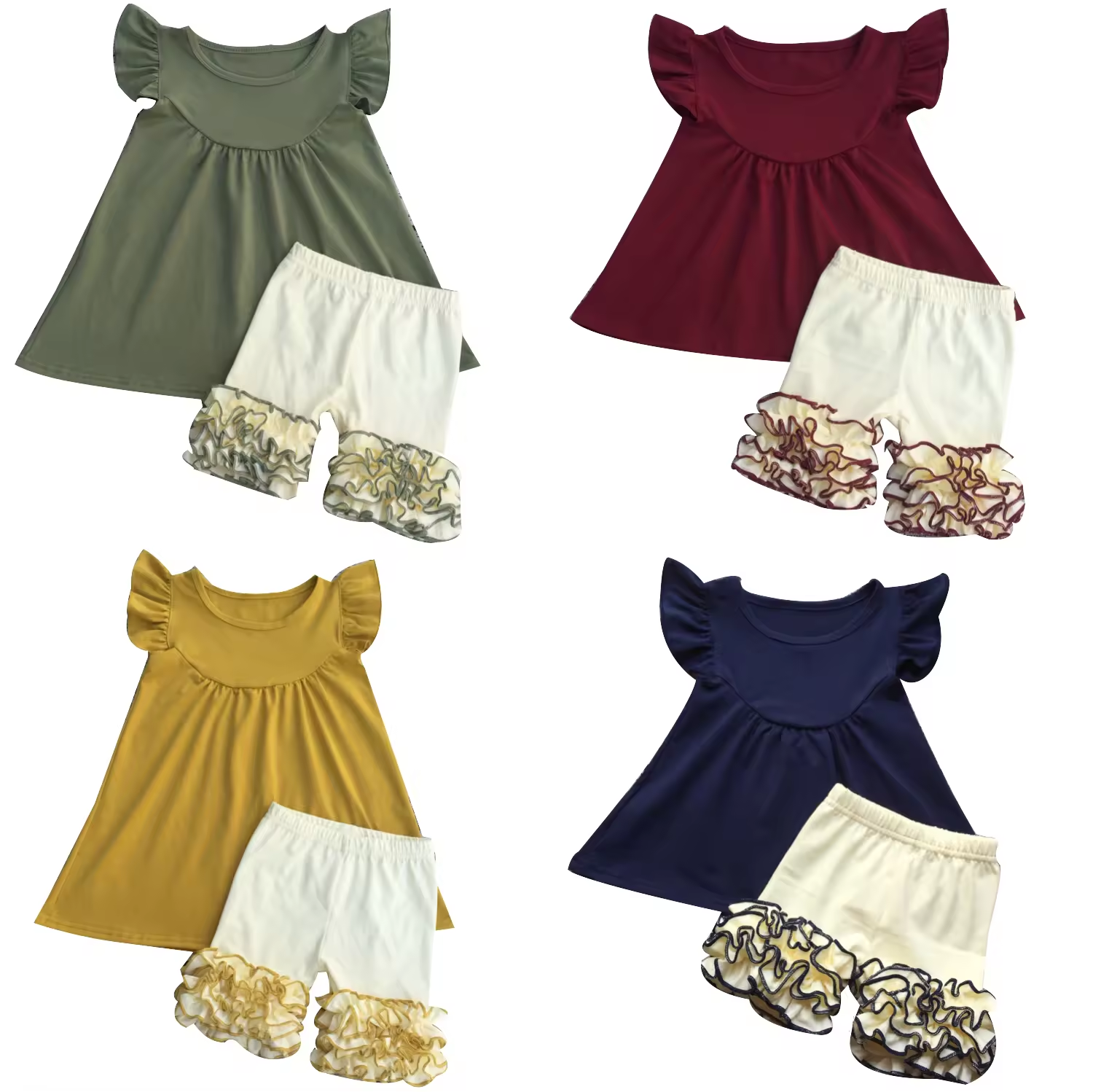
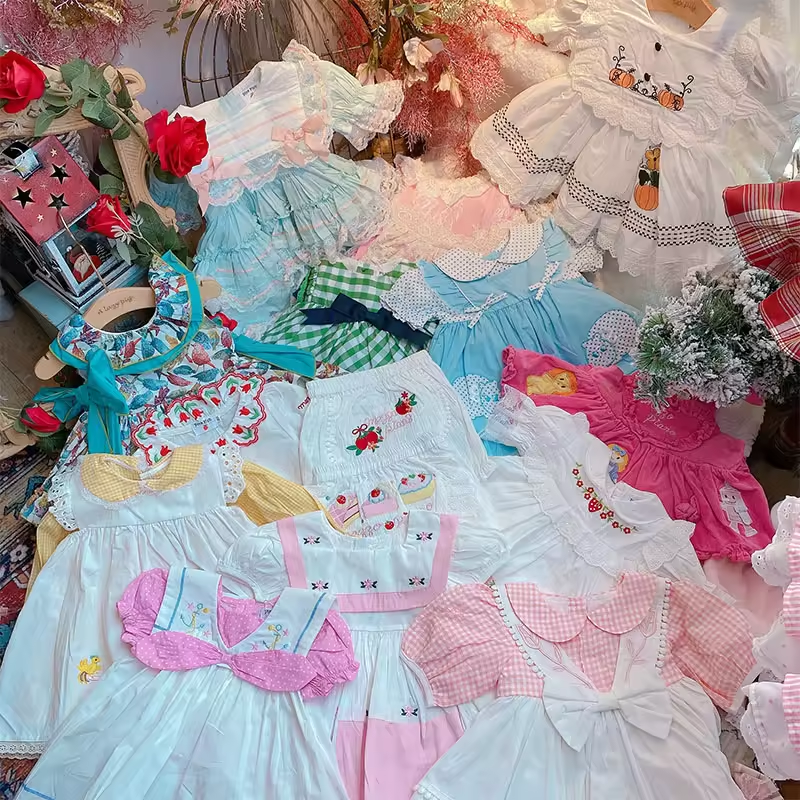
This kids wholesale clothing pallet offers a wide mix of everyday essentials and trendy apparel suitable for resale across multiple markets.
Detailed Breakdown By Brand Or Category
Carter’s (50 to 60 Pieces) Sizes: Newborn to 5T
Note: Popular for baby basics like bodysuits, sleepers, and sets. High demand among parents due to comfort and affordability.
OshKosh B’gosh (35 to 45 Pieces) Sizes: 2T to 10
Note: Known for durable overalls, denim, and casual wear. Strong resale value in both online and local markets.
Nike Kids (30 to 40 Pieces) Sizes: 4 to 16 Years
Note: Includes activewear, hoodies, and athletic sets. Branded sportswear has consistent demand and fast turnover.
Adidas Kids (30 to 40 Pieces) Sizes: 4 to 16 Years
Note: Features tracksuits, T-shirts, and shorts. Recognized brand with strong appeal for active and casual wear buyers.
H and M Kids (40 to 50 Pieces) Sizes: 2 to 14 Years
Note: Trendy seasonal clothing such as dresses, tops, and casual outfits. Popular for fashion-forward parents.
Gap Kids and Old Navy (40 to 50 Pieces) Sizes: 2 to 16 Years
Note: Includes everyday essentials like jeans, T-shirts, and jackets. Reliable brands with wide audience appeal.
Example Pallet Manifest
Example Pallet Manifest – Total: 250+ Pieces
T-Shirts and Tops – 70 Pieces
Pants and Jeans – 50 Pieces
Dresses and Outfits – 40 Pieces
Hoodies and Jackets – 35 Pieces
Sleepwear and Baby Sets – 30 Pieces
Shorts and Activewear – 25 Pieces
Kids Wholesale Clothing: Defining the Modern Retail Model
Kids wholesale clothing refers to the business-to-business (B2B) process where manufacturers or large-scale distributors sell children’s apparel in bulk to retailers at a discounted rate. For the independent boutique owner or online reseller, this model acts as the lifeblood of their inventory. Unlike retail shopping, where you buy a single item for personal use, wholesale involves purchasing “packs” or “runs”—usually containing a variety of sizes for a specific design.
The fundamental difference lies in the pricing structure. Retail pricing is the final cost paid by the consumer, while wholesale pricing is significantly lower, typically calculated using a “keystone” markup or higher. For example, a wholesale pack of organic cotton rompers might cost £50 for 10 units (£5 per unit), while the recommended retail price (RRP) might be £15 per unit. This margin covers the retailer’s overheads, marketing, and profit.
Categories in this sector are generally segmented by developmental stages:
-
Newborn and Infant: 0–24 months (focus on soft fabrics and safety).
-
Toddler: 2–5 years (focus on durability and ease of movement).
-
Older Children: 6–14 years (focus on trend-led styles and school-appropriate wear).
For small boutiques and independent sellers, the wholesale model provides a scalable way to access professionally manufactured goods without the impossible overhead of owning a factory.
Where Do Small Boutiques Get Their Clothes From?
Boutique owners rarely rely on a single source. Instead, they curate their collections through a mix of high-touch and digital channels. Trade shows, such as Playtime or Bubble London, remain a staple for those who want to feel fabric quality and meet designers face-to-face. However, the rise of digital B2B marketplaces has democratized access to global suppliers, allowing retailers to source from Istanbul, Madrid, or London with a few clicks.
Boutiques must strike a delicate balance between exclusivity and variety. If every shop in a local area stocks the same “mass-market” wholesale brand, price wars become inevitable. To combat this, successful retailers often build direct relationships with smaller, niche manufacturers or “white label” suppliers who allow them to add their own branding.
What Is the Minimum Order for Wholesale?
The Minimum Order Quantity (MOQ) is the lowest amount a supplier is willing to sell to a single customer. In the kids’ clothing sector, MOQs vary wildly:
-
Low-End/Mass Market: May require £500+ total spend or 50+ units per style.
-
Premium/Boutique: Often offer lower MOQs, such as 1–2 packs (6–12 units), to encourage variety.
Negotiating MOQs is a vital skill for new retailers. Many suppliers are willing to lower their minimums for a “trial order” if you can demonstrate a clear brand vision. [HUMAN REVIEW NEEDED: Suggest checking current VAT thresholds and import duties for UK-based retailers sourcing from the EU post-Brexit.]
| Supplier Type | Typical MOQ | Pricing Tier | Best For |
| Large Distributor | High (£500+) | Low/Budget | High-volume resellers |
| Niche Boutique Brand | Low (1-2 packs) | Mid/Premium | Luxury boutiques |
| Direct Factory | Very High (500+ units) | Factory Direct | Established brands |
How Do I Start My Own Kids Clothing Brand?
Launching a brand using wholesale as a foundation is a smart “low-risk, high-learning” strategy.
-
Market Research: Identify a gap. Are parents in your area looking for gender-neutral styles or perhaps affordable organic basics?
-
Budget Planning: A realistic starting budget for a small-scale UK launch is between £2,000 and £5,000. This covers initial inventory, a basic Shopify site, and initial marketing.
-
Supplier Selection: Focus on “Open Stock” or low-MOQ suppliers initially to test which sizes and styles sell fastest.
-
Branding: Even if you are reselling wholesale items, your packaging, tone of voice, and customer service constitute your brand.
How to Become a Children’s Clothing Distributor
Distributors act as the middleman between the factory and the boutique. To enter this space, you must move beyond reselling and into logistics management. This requires:
-
VAT Registration: Essential for B2B trading in the UK.
-
Warehousing: You need space to hold bulk inventory.
-
Exclusive Agreements: Securing the rights to represent a foreign brand in the UK market.
Wholesale Baby Clothes: A Complete Guide for Retailers in the UK
Sourcing for infants in the UK requires more than just an eye for style; it requires a commitment to safety. All baby clothing sold in the UK must comply with specific safety standards, particularly regarding flammable fabrics and the security of buttons or “poppers” to prevent choking hazards.
When selecting a wholesale partner, verify their certifications. Look for OEKO-TEX® Standard 100 markers, which ensure the fabric is free from harmful chemicals. Sizing consistency is another major hurdle; UK parents rely on age-based sizing (e.g., 3-6 months), but these can vary between European and Asian manufacturers.
If you are looking to stock premium, safety-tested infant wear, visit our latest collection to view the range and place your wholesale order today.
Why Spanish Babywear Wholesale Is a Must-Have for Your Boutique
Spanish babywear has seen a massive surge in the UK. Known for its “traditionalist” aesthetic—think intricate knitwear, lace collars, and dusty pastel palettes—it appeals to customers willing to pay a premium for “Sunday Best” outfits. Stocking Spanish brands allows a boutique to distance itself from the “disposable” feel of high-street fast fashion.
Sustainable and Ethical Fashion in Wholesale Children’s Clothing
The “eco-conscious parent” is no longer a niche demographic; it is the standard. Wholesale ranges are reflecting this through the use of:
-
Organic Cotton: Grown without synthetic pesticides.
-
Bamboo: Known for being hypoallergenic and temperature-regulating.
-
Recycled Polyester: Often made from ocean plastics for outerwear.
Ethical manufacturing is the other half of the equation. Retailers should ask for a supplier’s “Code of Conduct” regarding fair wages and factory conditions. [Case Study Placeholder: A UK boutique that saw a 40% increase in customer loyalty after switching to 100% GOTS-certified organic wholesale suppliers.]
Trending Styles in Wholesale Children’s Clothing
Current trends move toward minimalism and functionality.
-
Gender-Neutral: Earthy tones (sage, ochre, terracotta) are outselling traditional pinks and blues.
-
Comfort-First: The “playwear” trend focuses on oversized silhouettes and elasticated waists that grow with the child.
-
Influencer-Driven Fashion: “Mini-me” styling—where children’s clothes mirror adult trends like quilted vests or chunky boots—is driven heavily by platforms like Instagram and TikTok.
Fast Fashion vs. Slow Fashion in Junior Kids Wholesale
The debate between fast and slow fashion is particularly poignant in the children’s sector, where clothes are outgrown quickly.
-
Fast Fashion: High turnover, low cost, but often higher environmental impact.
-
Slow Fashion: Focuses on “heirloom quality”—clothes designed to be passed down to siblings or resold.
Retailers can balance this by offering “Trend” items in smaller quantities while maintaining a consistent stock of “Essential” slow-fashion pieces.
AI and Data-Driven Inventory Management in Kids Wholesale Clothing
Inventory is where most boutiques lose money. Overstocking the wrong size or underestimating the demand for winter coats can be fatal. AI tools are now available to smaller retailers to help solve this.
-
Demand Prediction: AI analyzes past sales data and local weather patterns to suggest when to pivot from summer rompers to autumn knits.
-
Automated Restocking: Systems can be set to automatically place a wholesale order when a “core” product hits a specific threshold.
How Long Does It Take to See Results from AI Search Optimisation?
For a children’s clothing brand implementing AI-driven SEO (like automated meta-tagging or natural language product descriptions), results typically appear within 3 to 6 months. This timeline depends on your “crawl budget” and how many products you are optimizing.
AI for Personalised Shopping Experiences
AI doesn’t just manage the back-end; it changes the front-end.
-
Size Guidance: AI-driven “Fit Finders” can reduce returns by 20% by asking parents for the child’s height and weight.
-
Personalised Recommendations: “Parents who bought this organic romper also viewed these matching booties.”
[Data/Research Placeholder: Statistics on conversion rate increases for B2B/B2C sites using AI-personalised product grids.]
Ensuring Brand Safety and Compliance with AI
While AI can write product descriptions in seconds, it can also hallucinate facts. In children’s retail, stating a garment is “flame retardant” when it isn’t is a massive legal risk.
-
The Golden Rule: Never publish AI-generated safety or material claims without a human expert verifying the physical garment specs.
The Future of Wholesale Children’s Clothing Distribution
The traditional “buy bulk, hold stock” model is shifting. We are seeing the rise of subscription-based wholesale, where retailers pay a monthly fee for a rotating selection of curated stock. Additionally, on-demand production is beginning to enter the wholesale space, allowing for smaller, more frequent batches that reduce waste.
Frequently Asked Questions About Kids Wholesale Clothing
What Is Kids Wholesale Clothing And How Does It Work For Retailers?
It is the bulk purchase of children’s apparel at a discounted price for the purpose of resale. Retailers buy “packs” from wholesalers and sell individual units to consumers at a markup.
Is Selling Kids Clothes Profitable In Today’s Market?
Yes. Despite the cost-of-living challenges, parents consistently prioritize spending on their children. High margins are found in niche sectors like organic wear and traditional Spanish styles.
Related products
-
Clothing Pallets
Buy Female Underwear Pallets For Sale (300+ Pairs From $795)
Original price was: $1,050.00.$795.00Current price is: $795.00. Add to cart -
Clothing Pallets
Buy Alo Yoga Pallets For Sale (250+ Premium Activewear Pieces- $1,200)
$1,200.00 Add to cart

Reviews
There are no reviews yet.