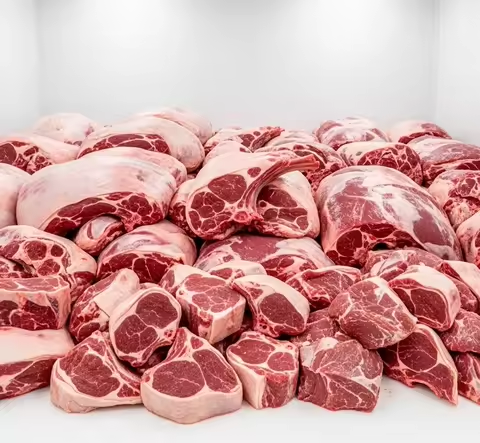
Buy Wholesale Meat Pallets – Starting at $1,200
$1,200.00
Price: Starting at $1,200 per pallet (freight shipping and taxes not included)
Sourcing wholesale meat by the pallet provides a bulk inventory option for commercial caterers, independent grocery outlets, discount food retailers, and food service operators. Each frozen liquidation lot offers a diverse selection of boxed protein products, including beef, poultry, pork, and packaged processed meats. Selection, case count, condition grade, and pricing vary by specific pallet, so buyers should always inspect individual listing manifests and documentation prior to purchase.
Key Listing & Manifest Details
-
Starting Price: Applies to eligible baseline wholesale liquidation lots. Final delivered cost depends on specialized temperature-controlled LTL freight rates, accessorial charges, and applicable taxes.
-
Manifest & Inventory Status: Check the individual listing to confirm whether the pallet is manifested (includes an itemized product list with pack sizes, cut types, and expiration/freeze dates) or unmanifested (sold as a bulk assorted lot).
-
Items per Pallet: Typically ranges from 400 to 500 cases per pallet. Refer to the individual listing manifest or lot description for the exact case count.
-
Condition Grade: Inventory consists of commercial frozen overstock, manufacturer surplus, or closeout packaging. Inspect individual listing condition notes for specific storage and packaging details.
-
Availability: Wholesale protein inventory fluctuates rapidly. Buyers must verify real-time stock availability prior to placing an order.
-
Resale & Distribution Rules: Buyers are responsible for complying with all local USDA/FDA food safety regulations, cold-chain handling requirements, and platform resale policies.
-
Shipping & Pickup: Delivery requires specialized temperature-controlled LTL (Less-Than-Truckload) freight. Rates, liftgate fees, and destination eligibility are calculated by zip code at checkout. Local cold-storage warehouse pickup may be available upon request.
Product, Pricing & Brand Disclaimer
Please Note: The starting price of $1,200 per pallet excludes mandatory refrigerated LTL freight shipping charges, liftgate fees, handling surcharges, and state or local taxes. Wholesale food inventory—including commercial overstock and closeouts—may exhibit outer master carton wear or varied freeze-by/use-by dates. Perishable items carry no guarantee of resale value, market demand, or profit margins. All third-party brand names, logos, and trademarks (including Tyson Foods, JBS, Cargill, Smithfield, Hormel, and Perdue Farms) belong strictly to their respective trademark holders. The seller is an independent liquidation supplier and is not directly affiliated with, sponsored by, authorized by, or endorsed by any named meat producer or distributor.
How to Verify Pallet Contents Using the Manifest
-
Manifested Pallets: Feature a downloadable itemized spreadsheet detailing individual case descriptions, brand labels, cut types, case quantities, packaging formats, and original historical MSRP/wholesale estimates.
-
Unmanifested / Assorted Lots: Sold by pallet weight or total case count. Contents rely on overall category descriptions, condition grades, storage specifications, and representative pallet photographs rather than a line-by-line itemization.
-
Estimated Retail Value (MSRP): Provided strictly as a historical reference point based on original wholesale or retail market pricing. MSRP does not represent guaranteed current market value, liquidation value, or resale pricing.
What Categories May Be Included in Wholesale Meat?
When purchasing wholesale meat pallets, inventory typically features a wide range of commercial frozen protein options suited for bulk preparation or retail distribution:
-
Frozen Poultry Cuts: Portioned chicken and turkey items (e.g., boneless skinless breasts, bone-in thighs, drumsticks, and party wings in bulk cartons).
-
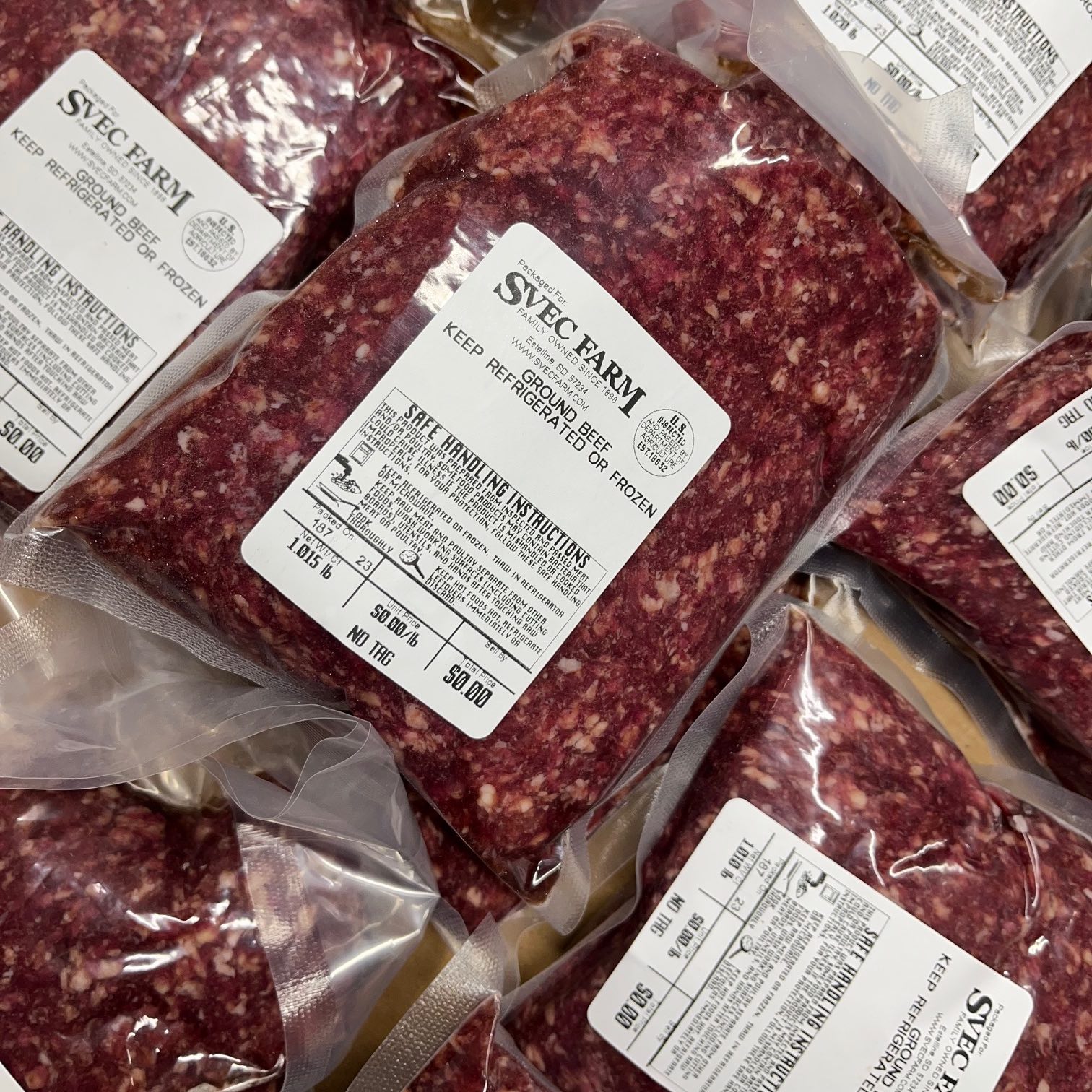
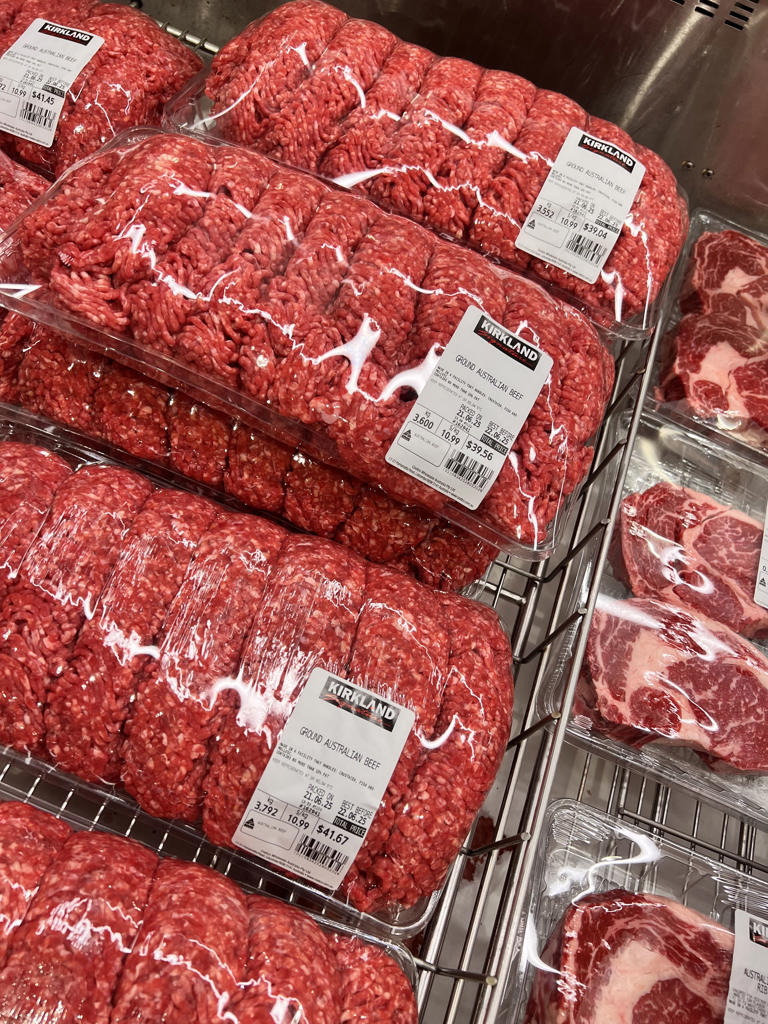
Boxed Beef Cuts: Wholesale beef portions (e.g., ground beef chubs, vacuum-sealed steaks, roasts, and beef stew meat packs).
-
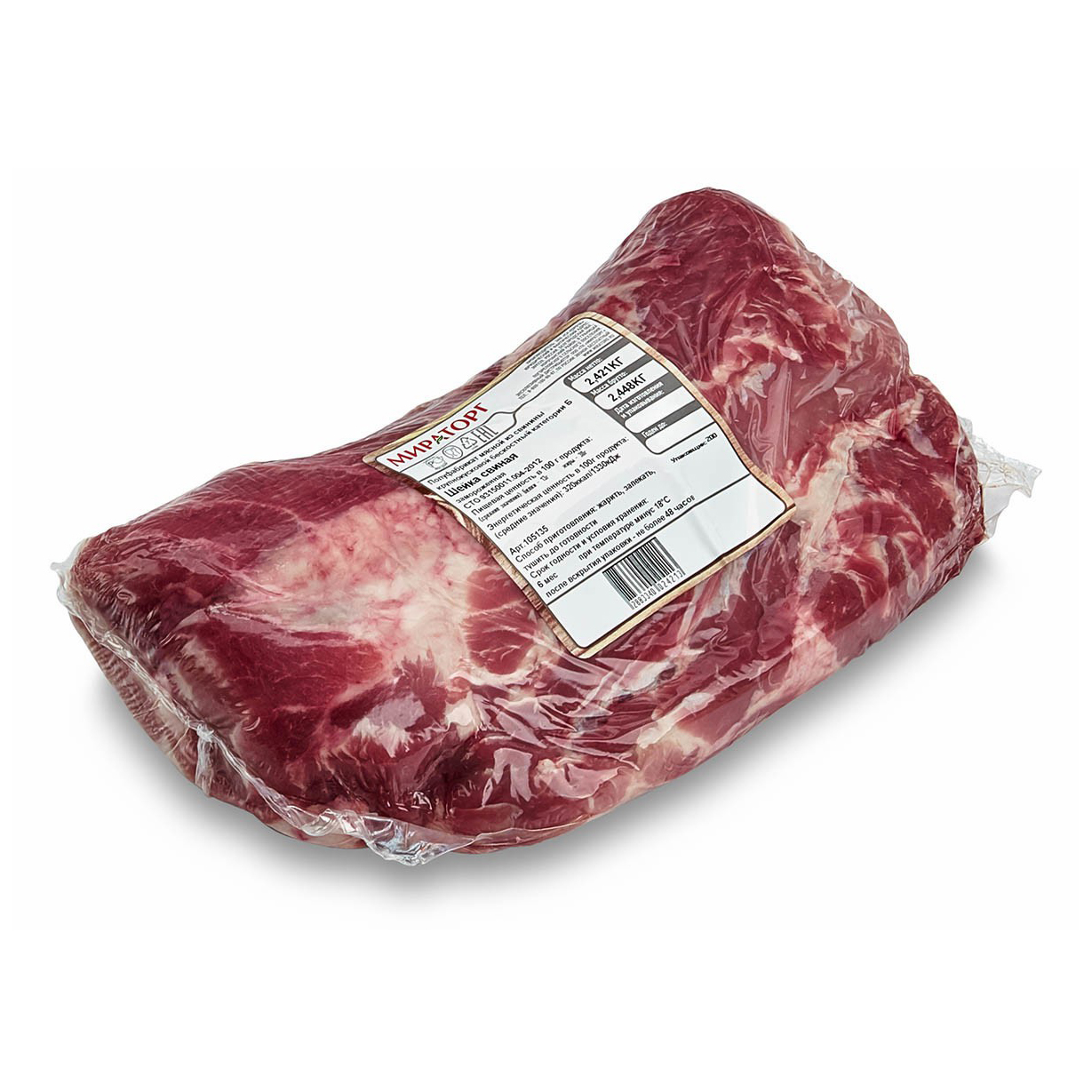
Pork Products & Cuts: Assorted frozen pork cuts (e.g., pork loins, bone-in chops, thick-cut bacon packages, and sausage links).
-
Processed & Packaged Meats: Ready-to-cook or deli items (e.g., pre-sliced deli meats, smoked sausages, hot dogs, and breakfast patties).
-
Value-Added Protein Packs: Specialty prepared items (e.g., breaded chicken tenders, marinated meat portions, and pre-seasoned protein packs).
Contents Disclaimer: The product categories and item types listed above are representative examples only. Exact items, cuts, brands, and case quantities vary per load and must be confirmed via the manifest or listing documentation for the specific pallet purchased.
Sample 500-Item Manifest Breakdown (Illustrative Example Only)
The tables below show an illustrative sample manifest for educational purposes only. They demonstrate how a typical 500-case pallet lot may be distributed across product categories and do not represent the guaranteed contents of an active listing.
Category Breakdown Tables
1. Frozen Poultry Cuts Category
| Product Type | Sample Manifest Quantity |
| Bulk Boneless Chicken Breasts (Cartons) | 80 |
| Bone-In Thighs & Drumsticks | 50 |
| Category Subtotal | 130 Cases |
2. Boxed Beef Cuts Category
| Product Type | Sample Manifest Quantity |
| Ground Beef Chubs (Bulk Frozen) | 60 |
| Vacuum-Sealed Beef Steaks & Roasts | 40 |
| Category Subtotal | 100 Cases |
3. Pork Products & Cuts Category
| Product Type | Sample Manifest Quantity |
| Frozen Pork Loin Chops | 50 |
| Packaged Thick-Cut Bacon | 40 |
| Category Subtotal | 90 Cases |
4. Processed & Packaged Meats Category
| Product Type | Sample Manifest Quantity |
| Smoked Sausages & Hot Dogs | 45 |
| Packaged Sliceable Deli Meats | 35 |
| Category Subtotal | 80 Cases |
5. Value-Added Protein Packs Category
| Product Type | Sample Manifest Quantity |
| Fully Cooked Breaded Chicken Tenders | 60 |
| Category Subtotal | 60 Cases |
Sample Manifest Summary Table
| Merchandise Category | Sample Manifest Quantity |
| Frozen Poultry Cuts Subtotal | 130 Cases |
| Boxed Beef Cuts Subtotal | 100 Cases |
| Pork Products & Cuts Subtotal | 90 Cases |
| Processed & Packaged Meats Subtotal | 80 Cases |
| Value-Added Protein Packs Subtotal | 60 Cases |
| Verified Sample Pallet Total | 500 Cases |
Wholesale Meat: Is It Cheaper to Buy Wholesale Meat Near You?
Buying meat in bulk has long been a strategy for restaurants and caterers, but a shift is occurring. Families and small business owners are increasingly looking toward wholesale meat suppliers to bypass the rising costs of traditional retail. However, moving from the grocery aisle to a professional distributor requires a different set of rules, storage needs, and vocabulary.
This guide provides a comprehensive look at the wholesale meat market, helping you determine if buying in bulk is the right financial and logistical move for your specific needs.
Wholesale Meat: Definitions and Processes
At its core, wholesale meat refers to products sold in large quantities, often in their original packing crates or as “subprimals” (large sections of meat before they are broken down into individual steaks or roasts).
The primary difference between wholesale and retail is the supply chain stage. Retail meat is processed, portioned, trimmed of excess fat, and packaged for immediate use. Wholesale meat often requires the buyer to perform some level of “final butchery,” such as slicing a whole ribeye subprimal into individual steaks.
Who Buys Wholesale?
-
Restaurants and Caterers: Professionals who require high consistency and volume to maintain plate margins.
-
Large Families: Households seeking to lower their “price per meal” by investing in deep-freeze storage.
-
Small Businesses: Local delis or specialty food shops that do not have the volume for industrial contracts but need better-than-retail pricing.
The Purchasing Process
Purchasing from a distributor like a wholesale meat supplier in Hauppauge typically involves setting up a buyer account. While some wholesalers have “cash and carry” storefronts open to the public, most operate through a pre-order system. You browse a catalog of bulk bundles or weight-based products, place your order, and schedule a pickup or delivery.
Is It Cheaper to Buy Wholesale Meat?
The short answer is yes, but with caveats. When you buy from a wholesaler, you are essentially “buying the work.” Because the supplier does not have to spend labor costs on individual packaging and retail merchandising, those savings are passed to you.
Cost Per Pound Comparison
On average, wholesale meat can be 20% to 40% cheaper than grocery store prices for the same grade of meat. For example, while a retail Choice-grade ribeye might cost $18.99 per pound at a supermarket, a wholesale subprimal of the same grade might average $11.50 per pound.
Factors Influencing Wholesale Pricing
| Factor | Impact on Price | Logic |
| Volume | High | Larger orders (e.g., a “Quarter Cow”) lower the distributor’s overhead. |
| Trim Level | Medium | “Fat-on” primals are cheaper than “center-cut” trimmed portions. |
| Market Fluctuations | High | Wholesale prices react faster to grain costs and seasonal demand than retail. |
| Grade | Medium | Prime, Choice, and Select remain the standard tiers for pricing. |
What Is a Meat Wholesaler and How Do They Operate?
A meat wholesaler acts as the critical bridge between the producer (the farm or packing plant) and the end consumer. They specialize in high-volume cold-chain logistics.
Wholesalers source products in massive quantities, often by the truckload. They manage the aging process—specifically wet-aging in vacuum-sealed bags—which improves the tenderness of beef before it reaches the buyer. Their pricing is structured around “the spread,” which is the difference between the commodity market price and the price they offer to their contracted accounts.
How to Find Reliable Wholesale Meat Distributors and Suppliers
Not all wholesalers are created equal. A reliable distributor is more than just a source of cheap food; they are a partner in food safety and quality.
The Reliability Checklist
Before committing to a supplier, verify the following:
-
USDA Inspection: Ensure the facility is USDA-inspected (or has the equivalent state certification) for safety and cleanliness.
-
Sourcing Transparency: Can they tell you the origin of the cattle or hogs?
-
Cold Chain Integrity: Ask about their delivery or pickup protocols. Meat should never be left in non-refrigerated “docks.”
-
Return Policy: Reputable suppliers have a clear process for handling product that does not meet spec.
Questions to Ask a New Supplier:
-
“What is the minimum order for wholesale pricing?”
-
“Do you offer ‘hanging weight’ pricing or ‘boxed’ pricing?”
-
“Can I see your latest third-party food safety audit?”
Wholesale Beef: Bulk Buying Guide for Families and Businesses
Wholesale beef is the most popular category for bulk buyers, primarily due to the significant price gap between wholesale primals and retail steaks.
Popular Bulk Options
-
Quarter or Half Cow: The buyer pays based on the “hanging weight” of the carcass. This provides a mix of steaks, roasts, and ground beef.
-
Subprimals: Buying the whole loin or rib section and cutting it yourself.
-
Ground Beef Bricks: Usually sold in 10-lb or 20-lb “chubs.”
Storage and Logistics
A “Quarter Cow” usually yields about 110–130 pounds of take-home meat. This requires approximately 4 to 5 cubic feet of dedicated freezer space. Standard kitchen freezers (above the fridge) are often too small for these orders; a dedicated chest freezer is usually required.
What Are the Best Cuts of Wholesale Steak to Buy in Bulk?
When buying bulk steak, you want to balance luxury with utility. Here is how the big three compare:
| Cut | Flavor Profile | Value Rating | Best For |
| Ribeye | High fat, intense flavor | Medium | High-end dinners |
| NY Strip | Balanced, tighter grain | High | Versatile meal prep |
| Filet Mignon | Lean, very tender | Low | Special occasions |
Recommendation: For the best balance of quality and cost, the New York Strip subprimal is the winner. It is easier to butcher at home than a ribeye and offers a more consistent yield with less waste.
Wholesale Pork: Bulk Purchasing Insights
Pork is often overlooked in the wholesale world, yet it offers some of the highest percentage savings.
Common Wholesale Pork Cuts
-
Pork Loins: These can be cut into dozens of boneless chops or kept whole for roasts.
-
Boston Butts (Shoulders): Ideal for slow-cooking and pulled pork; purchasing these in “twin packs” from a wholesaler is significantly cheaper than retail.
-
Pork Bellies: A favorite for restaurants and home-curers making their own bacon.
Wholesale Meat for Restaurants: Quality at Scale
Restaurant buyers have needs that differ from the average homeowner. Consistency is the primary requirement—if a “12oz Ribeye” varies in thickness every week, the kitchen’s cooking times and food costs will collapse.
What Restaurant Owners Should Look For:
-
Lead Times: Can the supplier deliver within 24–48 hours of an order?
-
Customization: Do they offer “portion-control” cutting (slicing the steaks for you for a small fee)?
-
Invoicing: Do they offer net-30 or net-15 terms for established businesses?
Establishing a direct relationship with a supplier like a wholesale meat distributor in Hauppauge ensures that your business gets “first pick” of the best inventory during shortages.
Why Is Some Bulk Meat So Cheap?
Buyers are often skeptical of low prices, fearing “cheap” means “low quality.” In the wholesale market, low prices are usually a result of efficiency, not poor standards.
-
Animal Breed and Feed: Commercial-grade beef (Select) is cheaper than Prime because the cattle reach weight faster with less marbling.
-
Processing Standards: Buying “packer-trimmed” meat means you are paying for the fat. The price is lower because the wholesaler didn’t spend labor hours trimming it.
-
Commodity Volume: Wholesalers move product fast. They would rather sell at a lower margin than hold inventory in expensive cold storage.
What Is the Most Consumed Meat Globally?
Understanding global trends helps buyers predict local price spikes.
Poultry and Pork remain the most consumed meats globally. Poultry’s efficiency in feed-to-meat conversion makes it the baseline for wholesale pricing. When the price of chicken rises due to global supply chain issues, demand often shifts to pork, subsequently driving those prices up. For the wholesale buyer, tracking these trends helps in deciding when to “lock in” a large order.
Exotic and Specialty Wholesale Meats
Beyond beef and pork, the wholesale market opens doors to specialty items:
-
Wagyu Beef: High-marbling Japanese or Australian breeds.
-
Lamb and Quail: Often used by high-end bistros.
-
Rabbit: A growing specialty market for lean protein.
Sourcing these through wholesale channels usually requires a minimum order quantity (MOQ), often one full case. For home buyers, this is where “buying clubs” or splitting an order with neighbors becomes highly effective.
How to Store Bulk Meat Properly
Improper storage can turn a “great deal” into a total loss.
Best Practices for Meat Preservation:
-
Vacuum Sealing: This is the gold standard. It removes oxygen, preventing freezer burn for up to 2 years.
-
Flash Freezing: If possible, freeze meat quickly at the lowest possible temperature to prevent large ice crystals from damaging the muscle fibers.
-
Labeling: Always label with the cut name, weight, and pack date.
-
Temperature: Commercial standards require holding frozen meat at 0°F (-18°C) or lower.
What Is the Unhealthiest Meat to Eat?
When buying wholesale, it is easy to be tempted by high-fat items because they are so affordable. From a nutritional standpoint, highly processed meats (sausages, pepperoni, or pre-marinated cuts) are often considered the least healthy due to high sodium and preservative content.
For the health-conscious wholesale buyer, the goal should be to purchase whole muscle cuts (like top round or pork tenderloin) in bulk. This allows you to control the fat trim and avoid the additives found in retail-processed goods.
What Is Known as the Poor Man’s Meat?
Historically, “Poor Man’s Meat” referred to offal, heart, or tough cuts like brisket and shank. These were the parts that required hours of cooking to become edible.
Wholesale buying changes this dynamic. By utilizing a distributor, the price per pound of a “premium” cut like a Ribeye can drop to the same level you would pay for a “budget” cut at a luxury grocery store. Wholesale makes premium protein a daily reality rather than a weekend luxury.
Frequently Asked Questions
How Does Wholesale Meat Work For Bulk Buying And Savings?
Wholesale meat works by removing the “middleman” costs of retail—labor, individual packaging, and storefront overhead. Buyers purchase larger portions (primals) and often handle the final slicing themselves, which can save between 20% and 40% compared to supermarkets.
Is Buying In Bulk Really Cheaper Than Regular Grocery Meat Purchases?
Yes, provided you have the storage. While the upfront cost is higher (e.g., $500 for a bulk bundle vs. $50 for a weekly grocery trip), the price per pound is significantly lower. The “true cost” must include the electricity for a freezer and the cost of vacuum sealer bags.


Reviews
There are no reviews yet.