Buy Food Pallets For Sale (Grocery & Snack Loads From $650)
$650.00
Current Price: From $650 Per Pallet
Status: In Stock – Limited Grocery Loads Available
Seller: Verified USA Food Liquidation Supplier
Source: Major Grocery Chains, Big Box Retailers & Distributor Overstock
Condition: Mixed – Brand New, Short-Dated, Overstock & Shelf Pulls
Items per Pallet: 500 to 1,200+ Units (Assorted Grocery & Packaged Foods)
Estimated Retail Value: Up to $4,000+ Per Pallet
Distribution Agreement Required: No
Shipping Area: Fast Freight Delivery Across USA & Worldwide
Food pallets are one of the fastest-moving liquidation categories for resellers, discount stores, convenience shops, and flea market vendors. These pallets include a high-volume mix of packaged groceries, snacks, beverages, and household food essentials sourced from national retailers and distributors.
Detailed Breakdown by Category
Snack Foods (Approx. 250 to 400 Units)
Brands: Frito-Lay, Doritos, Cheetos, Lay’s, Pringles
Sizes: Single-serve bags, family-size packs, variety cartons
Note: High resale turnover in convenience stores and gas stations
Breakfast & Cereal (Approx. 80 to 150 Units)
Brands: Kellogg’s, General Mills, Post
Sizes: Standard 10oz to 20oz boxes
Note: Often includes popular flavors and limited editions
Canned & Packaged Goods (Approx. 100 to 250 Units)
Items: Soups, vegetables, beans, pasta, sauces
Sizes: Standard 10oz to 28oz cans and boxed goods
Note: Long shelf-life products increase resale flexibility
Beverages (Approx. 80 to 200 Units)
Brands: Coca-Cola, Pepsi, Gatorade, energy drinks
Sizes: 12-pack cans, 6-pack bottles, single bottles
Note: Strong demand in local retail and event vending
Candy & Confectionery (Approx. 100 to 200 Units)
Brands: Hershey’s, Mars, Nestlé, Skittles
Sizes: Single bars, share-size packs, display boxes
Note: Excellent impulse-buy products
Example Distribution – Total 1,000 Items
Common Grocery Brands (Approx. 700 Items)
Frito-Lay: 200 items
Kellogg’s: 150 items
General Mills: 150 items
Campbell’s: 100 items
Coca-Cola & Pepsi Products: 100 items
Specialty & Mixed Brands (Approx. 300 Items)
Organic / Health Snacks: 100 items
Energy Drinks: 80 items
Seasonal Candy: 70 items
Imported Grocery Items: 50 items
These pallets are ideal for discount grocery stores, dollar stores, food banks, online resellers, and export buyers. Inventory rotates frequently, so each load offers a fresh mix of profitable, fast-moving products.
Food Pallets: Bulk Inventory And Distribution Channels
Intro
Accessing reliable inventory is the cornerstone of any successful grocery resale business. Food pallets represent a critical link in the global supply chain, connecting manufacturers with retail outlets and secondary markets. These bulk units allow businesses to move vast quantities of consumable goods efficiently.
When you source food pallets for wholesale or liquidation, you are tapping into a system designed for volume and speed. Retailers depend on these units to keep shelves stocked, while liquidators use them to manage surplus inventory. Understanding the logistics behind these pallets is essential for maintaining safety and maximizing profit margins.
This guide covers everything you need to know about purchasing and handling these bulk units. We will examine safety standards, resale values, and the logistics of moving heavy beverage loads. You will learn how to navigate the market effectively.
Key takeaways
-
Food pallets are the standard unit of measure for wholesale grocery distribution and liquidation.
-
Safety compliance is mandatory, with specific requirements for food grade materials to prevent contamination.
-
Liquidation pallets often contain shelf-pulls, close-dated items, or overstock from major retailers.
-
Beverage pallets require special logistics planning due to extreme weight and shifting loads.
-
Resellers can maximize profits by understanding the difference between “Best By” dates and expiration dates.
-
Sourcing from verified networks protects buyers from receiving salvaged or damaged goods.
-
Temperature control is critical when handling frozen or perishable wholesale pallets.
-
Amazon and other major retailers have specific programs for liquidating grocery inventory.
-
Profit margins rely heavily on low shipping costs and high inventory turnover rates.
Food Pallets
Food pallets are bulk transport units loaded with consumable goods, secured for shipment using shrink wrap or strapping. In commercial contexts, they serve as the primary method for moving products from production facilities to distribution centers. These units are designed to be moved by forklifts or pallet jacks.
In the resale market, these pallets take on a different role. They become the inventory source for discount grocery stores, bin stores, and food banks. The contents can range from canned goods and dry pasta to high-value beverages and snacks.
Why are food pallets widely used in wholesale and liquidation markets?
The answer lies in efficiency. Handling individual cases of food is labor-intensive and costly. By aggregating products onto a pallet, manufacturers and liquidators can move thousands of dollars of inventory in a single motion. This reduces labor costs and speeds up the supply chain significantly.
Food Pallets Wholesale And Liquidation Markets
Wholesale food pallets are sourced directly from manufacturers or large distribution centers. These are typically “clean” loads, meaning the product is fresh, creating a consistent supply chain for supermarkets. The inventory is tracked meticulously from the factory to the warehouse.
Liquidation pallets, however, operate differently. These units are created when primary retailers have surplus inventory or seasonal items that must be moved quickly. They are aggregated by liquidation companies and sold to the secondary market at a fraction of the original wholesale cost.
Selling Point: Explore verified wholesale food pallet suppliers offering consistent inventory volumes and buyer protection programs. These programs ensure that you receive the quality manifested in your order.
Grocery Store And Retail Food Pallets
Grocery store pallets are created when a retailer decides to remove products from their active inventory. This often happens due to packaging changes, seasonal shifts, or approaching “best by” dates. The inventory is pulled from the shelves and stacked onto pallets for removal.
When these grocery pallets are offered for sale, they typically contain a mix of dry goods. You might find cereal, baking supplies, condiments, and canned vegetables mixed together. This variety is excellent for discount retailers who need a wide assortment of products to fill their shelves.
Table 1: Grocery Inventory Grading System
| Grade | Condition | Best Use Case |
| A-Grade | Pristine packaging, long shelf life. | Premium retail shelves. |
| B-Grade | Minor cosmetic damage, short-dated. | Discount stores, scratch-and-dent outlets. |
| C-Grade | Damaged packaging, very short dates. | Food banks, severe discount bins. |
| Salvage | Opened, leaking, or expired. | Recycling or disposal (Not for resale). |
Beverage Pallets And Drink Only Food Pallets
Beverage pallets are heavy-duty units stacked exclusively with liquid products. These can include energy drinks, sodas, bottled water, juices, and shelf-stable milk alternatives. Because liquids are dense, these pallets are significantly heavier than standard grocery loads.
Distribution channels for drink-only pallets are specialized. Due to the weight, they are often shipped via carriers equipped for heavy haulage. Resellers love them because brand-name beverages have high recognition and sell quickly, despite the higher shipping costs associated with their weight.
Food Grade Pallets And Industry Requirements
Food grade pallets are transport platforms that meet strict hygiene standards designed to prevent food contamination. Compliance matters because wood or plastic that has been treated with toxic chemicals can leach into food products. The industry requires these standards to protect public health.
The requirements for these pallets are rigorous. They must be free of pests, mold, and toxic chemical treatments. Wooden pallets used in international shipping must often be heat-treated (ISPM 15 compliant) rather than chemically fumigated to ensure they are safe for transporting consumables.
How Do Food Grade Pallets Support Food Safety?
Approved materials used in food grade pallets include high-quality plastics, metal, and kiln-dried wood. Plastic is often preferred in food processing zones because it can be sanitized repeatedly. It does not absorb moisture, which prevents the growth of bacteria and mold.
Contamination prevention standards dictate that pallets must be inspected regularly. Any pallet showing signs of rot, splinters, or spill residue is removed from the food supply chain. This strict adherence to cleanliness ensures that the final product remains safe for consumption.
Note: Always verify the treatment stamp on wooden pallets. If you see “MB” (Methyl Bromide), it is treated with a toxic chemical and should never be used for food storage.
What Pallets Sell The Most In The Food Industry?
The top-performing food pallet categories are typically branded snacks, energy drinks, and coffee products. These items have long shelf lives and high consumer demand. Buyers look for these categories because they offer the fastest return on investment.
Demand drivers across retail and wholesale markets include brand loyalty and convenience. Customers are more likely to buy a discounted case of a known energy drink than a generic alternative. Consequently, pallets containing recognized national brands command higher prices in the secondary market.
How Much Is A Food Pallet Worth?
The value of a food pallet varies wildly based on the manifest and condition. A pallet of generic canned corn might be worth a few hundred dollars, while a pallet of premium coffee or energy drinks could be valued at over a thousand dollars.
Factors that affect pallet value include the expiration dates, brand recognition, and packaging condition. Inventory with at least six months of shelf life remaining is considered premium. Conversely, goods that are within a month of their “best by” date are sold at a deep discount.
Table 2: Estimated Pallet Values By Category
| Pallet Category | Estimated Wholesale Cost | Estimated Retail Value |
| General Dry Grocery | $300 – $600 | $1,200 – $2,000 |
| Premium Snacks | $600 – $900 | $2,500 – $3,500 |
| Energy Drinks | $800 – $1,200 | $3,000 – $4,500 |
| Mixed Returns | $150 – $350 | $800 – $1,500 |
| Organic/Specialty | $500 – $800 | $2,200 – $3,000 |
Does Amazon Do A Food Pallet Sale?
Yes. Amazon has liquidation programs that bundle grocery and gourmet food items into pallets. These are often customer returns or warehouse overstock that need to be cleared from their fulfillment centers to make space.
These pallets are listed by SKU or manifest on B2B liquidation marketplaces linked to Amazon’s logistics network. Buyers can view the manifest to see exactly what brands are included. It is common to find bulk packs of coffee, snacks, and pantry staples in these loads.
Wholesale Food Pallet Buyer Programs And Networks
Liquidation buyer programs are structured systems where approved buyers get first access to inventory. These networks function by connecting large retailers directly with vetted buyers. This eliminates the middleman and ensures a smoother transaction process.
Onboarding involves verifying your business license and resale certificate. Once approved, inventory condition grading is provided for every load. This transparency allows you to buy with confidence, knowing if you are purchasing shelf-pulls or customer returns.
Selling Point: Join structured wholesale buyer networks that offer vetted food pallet inventory and scalable resale opportunities. These networks often provide logistics support to help you move the product.
Can You Make A Profit Buying Food Pallets Wholesale?
Yes. Making a profit is possible if you buy at the right price and manage your shipping costs. Resale margins are generated by purchasing inventory at 10% to 20% of retail value and selling it for 50% to 60%.
Arbitrage strategies involve identifying undervalued pallets in one market and selling the individual items on another platform. Redistribution channels include flea markets, independent grocery stores, and online marketplaces. Success depends on moving volume quickly.
Selling Point: Learn how professional resellers maximize profit by sourcing high turnover food pallets with documented sell-through rates.
Table 3: Profitability Scenario (Snack Pallet)
| Cost Factor | Amount | Notes |
| Pallet Cost | $500 | Purchase price from liquidator. |
| Shipping | $250 | LTL freight cost. |
| Total Investment | $750 | Landed cost at your warehouse. |
| Gross Sales | $1,800 | Selling at 50% of retail. |
| Net Profit | $1,050 | Before labor/overhead. |
Full Truckload Food Pallets And Large Volume Orders
Truckload quantities involve purchasing 24 to 26 pallets at once. This logistics strategy drastically reduces the shipping cost per pallet. Instead of paying for individual slots on a truck, you rent the entire trailer.
For example, a branded snack truckload might contain 26 pallets of potato chips or pretzels. These large volume orders are ideal for regional distributors who can split the load among several smaller stores. The cost savings on freight make this the most profitable way to buy.
Frozen And Perishable Food Pallets
Frozen and perishable food pallets require a strict “cold chain” to be maintained. This means the temperature must never rise above a certain point during transport. Refrigerated trucks, known as “reefers,” are used for these shipments.
Handling frozen meat pallets involves checking temperature logs upon arrival. If the temperature has fluctuated, the entire load may be compromised. Therefore, these pallets are recommended only for experienced buyers with commercial freezer storage.
Table 4: Storage Temperature Requirements
| Product Type | Required Temp | Transport Method |
| Frozen Meat | 0°F or below | Reefer Truck (Frozen) |
| Dairy/Deli | 34°F – 40°F | Reefer Truck (Chilled) |
| Chocolate | 55°F – 65°F | Climate Controlled |
| Dry Grocery | Ambient | Standard Dry Van |
| Beverages | Ambient (No Freeze) | Insulated Dry Van |
Branded Snack And Candy Food Pallets
Branded pallet composition is usually dominated by a single manufacturer or a conglomerate. You might find a pallet that is exclusively Hershey’s products or Frito-Lay snacks. These are highly desirable because the marketing has already been done for you.
For instance, HARIBO and STORCK examples show how specific brands hold value. A pallet of Haribo gummy bears is almost guaranteed to sell. Resellers prioritize these loads because the risk of “dead stock” is incredibly low.
Mixed Snack Brand Food Pallets
Assortment pallets contain a variety of brands and snack types. These are often created at distribution centers where broken cases are consolidated. You might find chips, cookies, and nuts all on the same skid.
The resale appeal of mixed pallets is the variety they offer to the end consumer. A bin store owner can populate an entire snack aisle with just two or three of these mixed loads. It provides an instant inventory solution for small shops.
Pre Assembled Food Kit Pallets
Curated food kit pallets are pre-packed for specific needs, such as emergency preparedness or camping. These kits often contain freeze-dried meals, water pouches, and energy bars. They are designed for long-term storage.
Availability-based inventory means these pallets are often sporadic. They appear after disaster relief efforts wind down or when a manufacturer updates their kit packaging. High demand exists among survivalist communities and outdoor retailers.
Frequently Asked Questions About Food Pallets
What Are Food Pallets And How Do They Work In Wholesale And Liquidation Markets?
Food pallets are bulk units of grocery inventory sold to resellers and retailers. They work by aggregating surplus, short-dated, or overstock items into large manageable units. Liquidators sell these units at a fraction of the wholesale price to secondary market buyers who then resell the individual items for a profit.
For detailed research on supply chain efficiency, you can read this study: [Anchor Link: ScienceDirect Supply Chain Research].
What Are Food Grade Pallets And Why Are They Required In The Food Industry?
Food grade pallets are transport platforms made from hygiene-safe materials like plastic or heat-treated wood. They are required to prevent contamination from chemicals, pests, or bacteria. The FDA sets standards to ensure that packaging and transport materials do not adulterate the food.
Table 5: Pallet Material Pros and Cons
| Material | Hygiene | Durability | Cost |
| Plastic | High (Washable) | High | Expensive |
| Heat-Treated Wood | Medium | Medium | Low |
| Metal (Aluminum) | Very High | Very High | Very Expensive |
| Presswood | Low | Low | Very Low |
| Cardboard | Medium | Low | Low |

Noah Robert’s –
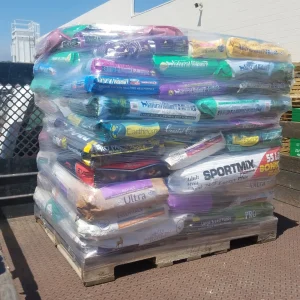
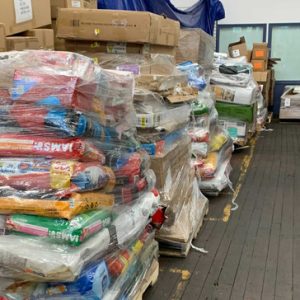
Pallets arrived on time and were well stacked.
Noah Robert’s –
Good products arrived on time and well starked