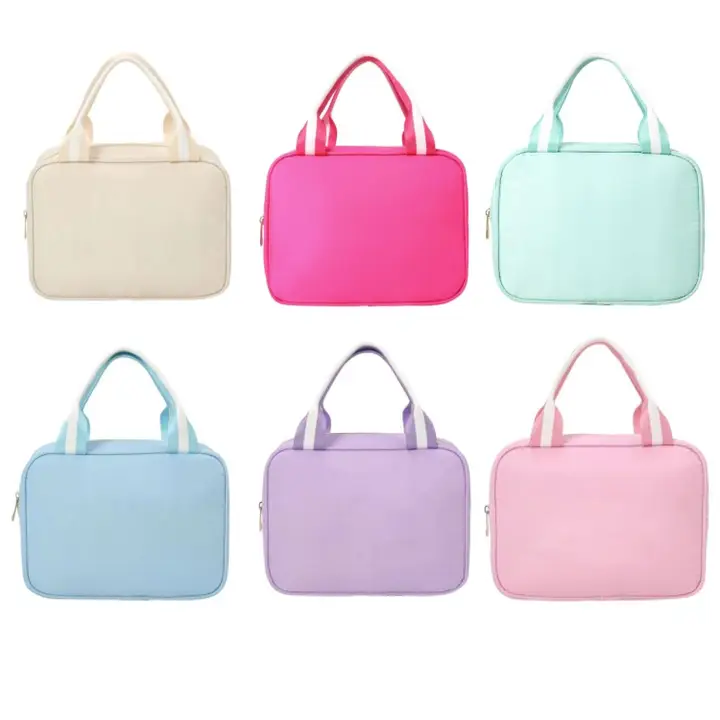
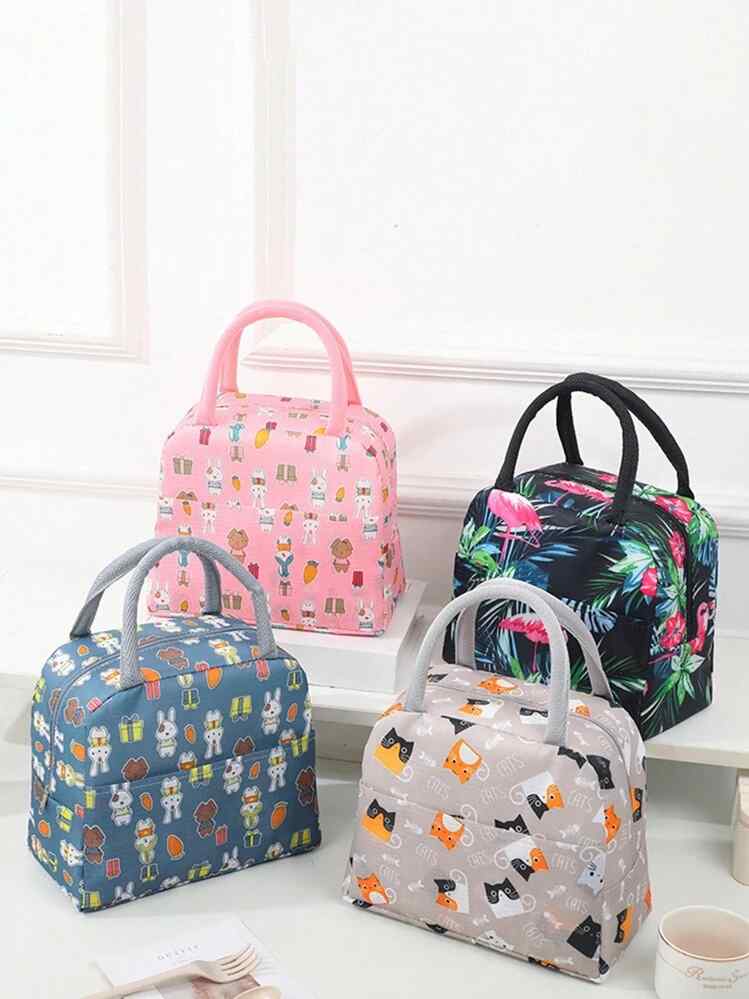
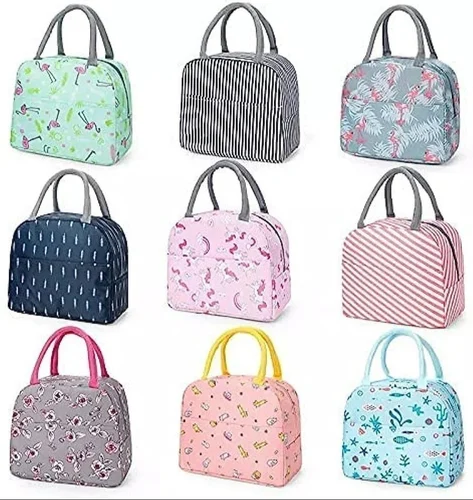
Buy Wholesale Lunch Bags For Sale (300+ Pieces From $650)
$650.00
Product Short Description Block
Current Price: From $650 Per Pallet
Status: In Stock – Ready To Ship
Seller: Verified U.S. Lunch Bag Liquidation Supplier
Source: Major Retailer Overstock, Shelf Pulls & Customer Returns
Condition: Mixed – New In Box, Like-New, and Light Customer Returns
Brands Included: Bentgo, PackIt, Igloo, Thermos, Fit & Fresh, Arctic Zone, L.L.Bean and More
Sizes: Mixed Kids, Teen, and Adult Sizes (Small Snack Bags to Large Cooler Totes)
Items per Pallet: 300+ Pieces Assorted Styles
Estimated Retail Value: Up To $6,800+
Packaging: Original Tags, Poly Bags, Master Cartons, Secure Freight Wrap
Distribution Agreement Required: No
Shipping Area: Fast Freight Delivery Across USA & Worldwide
Our wholesale lunch bags pallets are perfect for resellers looking for high-turnover back-to-school and everyday lifestyle inventory at deep discount prices.
Detailed Breakdown By Brand
Bentgo (50 to 60 Pieces)
Sizes: Kids and Adult Insulated Lunch Totes
Note: Includes popular Bentgo Kids Prints, Deluxe Lunch Bags, and Modern Insulated Totes. Strong resale demand on Amazon and eBay due to matching bento box sets.
PackIt (45 to 55 Pieces)
Sizes: Freezable Lunch Bags and Coolers
Note: Freezable classic lunch bags, upright coolers, and freezer bags in assorted prints. Sells fast in spring and summer months for premium margins.
Igloo (55 to 65 Pieces)
Sizes: Soft Cooler Lunch Bags, Small to Medium
Note: Includes MaxCold, Playmate Gripper, and Repreve lines. Trusted brand with steady year-round demand at flea markets and online stores.
Thermos (40 to 50 Pieces)
Sizes: Kids Character Bags and Adult Dual Compartment Totes
Note: Licensed character prints and insulated adult carry bags. High resale value during back-to-school season.
Fit & Fresh (30 to 40 Pieces)
Sizes: Adult Insulated Lunch Bags with Ice Packs
Note: Includes Downtown, Ashland, and Venice styles. Popular with office workers and health-conscious buyers.
Arctic Zone (40 to 50 Pieces)
Sizes: Titan Deep Freeze Lunch Boxes and Expandable Totes
Note: Premium insulated lunch coolers with hard body liners. Retail prices often exceed 30 dollars per unit.
L.L.Bean and Assorted Brands (25 to 35 Pieces)
Sizes: Mixed Kids and Adult Lunch Bags
Note: Includes L.L.Bean Lunch Boxes, Yeti Daytrip, Carhartt, and other assorted brand overstock. Excellent for boutique resellers.
Example Pallet Manifest
Example Pallet Manifest – Total: 300+ Pieces
| Item Category | Quantity |
|---|---|
| Kids Insulated Lunch Bags | 90 Pieces |
| Adult Lunch Totes | 70 Pieces |
| Soft Cooler Lunch Bags | 60 Pieces |
| Freezable Lunch Bags | 45 Pieces |
| Bento Style Lunch Boxes | 25 Pieces |
| Premium Cooler Totes | 15 Pieces |
This wholesale lunch bags pallet is perfect for resellers on eBay, Amazon, Facebook Marketplace, flea markets, and online boutiques looking for strong profit margins on high-demand seasonal and everyday inventory.
Wholesale Lunch Bags
Wholesale lunch bags are insulated or non-insulated carrying bags purchased in bulk quantities at lower per-unit prices than retail. Orders typically start at several hundred units and scale into the tens of thousands, depending on the supplier’s minimum order quantity.
The difference between wholesale and retail buying goes beyond price. Wholesale orders offer customization options like logo printing, private-label packaging, custom colors, and specification adjustments that retail buyers cannot access. Inventory consistency is another factor since bulk orders come from the same production batch, reducing color and material variation.
Common wholesale buyers include retail stores, schools, corporate HR departments, restaurants, catering companies, promotional product distributors, meal-prep subscription businesses, and event organizers. Each buyer group has different priorities, but all benefit from lower unit costs and simplified large-scale purchasing.
Bulk purchasing also supports private-label branding, letting resellers build their own product line without manufacturing infrastructure. Available options span materials from polyester to jute, sizes from small snack bags to large cooler totes, and finishing options from plain to fully customized.
Key Takeaways
- Wholesale lunch bags cost less per unit but require careful specification review before purchase
- Insulated bags with PEVA or aluminum foil linings hold temperature for several hours in typical conditions
- Canvas and cotton suit eco-friendly and promotional markets, while polyester and neoprene suit daily-use markets
- Children’s lunch bags need lightweight construction, food-safe linings, and reinforced handles
- Always request physical samples before placing high-volume orders
- Custom branding turns lunch bags into repeat-exposure promotional tools
- Total landed cost matters more than headline unit price
- Reliable suppliers provide certifications, clear MOQs, and transparent lead times
What Should Buyers Know Before Ordering Wholesale Lunch Bags?
Before placing a wholesale order, buyers should evaluate several product quality factors: insulation performance, stitching consistency, zipper strength, handle attachment, base reinforcement, capacity accuracy, and finish quality. A weak zipper or thin liner can turn a low-cost order into a return-heavy inventory problem.
Beyond the product itself, review the supplier’s minimum order quantity, sample availability, production lead time, packaging format, shipping terms (FOB, CIF, DDP), and warranty policy. A supplier offering low MOQs with clear sample policies is often easier to work with for first-time buyers.
Supplier communication quality matters as much as pricing. Response speed, English proficiency, willingness to share certifications, and openness about production timelines all signal reliability. Long-term supplier relationships depend on this consistency far more than initial quotes.
Expert Tip: Always request physical samples and test them under real usage conditions before committing to bulk production.
Selling Point: Contact our wholesale team today for free samples, competitive pricing, and customized lunch bag solutions tailored to your business.
How Do Wholesale Lunch Bags Differ From Retail Lunch Bags?
Wholesale purchasing delivers four advantages retail buying cannot match: lower per-unit pricing, consistent inventory from a single production batch, custom branding options, and flexible packaging.
| Factor | Wholesale | Retail |
|---|---|---|
| Unit Price | Lower with volume | Higher fixed price |
| Customization | Full branding available | None or limited |
| Inventory Consistency | Same batch, same specs | Mixed batches |
| Minimum Quantity | Hundreds to thousands | Single units |
Buyers should evaluate total landed cost, not just unit price. Shipping fees, customs duties, inspection costs, and payment processing charges all shift the real cost per bag. A low unit quote from an overseas supplier can become expensive once freight and duties are added.
Wholesale buying supports resale businesses, corporate promotional campaigns, and institutional purchasing programs where consistent inventory and custom branding are non-negotiable.
What Makes Insulated Lunch Bags Wholesale A Practical Business Product?
Insulated lunch bags maintain food and beverage temperatures for several hours, making them practical for daily commutes, workday meals, school lunches, and short outdoor trips. Actual insulation duration varies by material thickness, ambient temperature, and use conditions.
Standard insulation construction includes a thermal lining layer (usually PEVA or aluminum foil), a foam padding layer for thickness, and heavy-duty zippers that seal the interior. Leak-resistant construction is standard on quality bags to protect contents from spills.
Target markets include office workers packing daily lunches, students, commuters, healthcare staff working long shifts, food delivery drivers, sports teams, and outdoor recreation buyers. Each group values slightly different features, but all rely on temperature retention as the core benefit.
Insulated bags typically command higher resale value than non-insulated versions because the functional benefit justifies the price premium in consumer markets.
How Can Buyers Compare Wholesale Insulated Lunch Bags?
When comparing insulated bags, focus on five factors: insulation thickness, capacity, cleaning requirements, carrying options, and structural durability. A thicker foam layer improves temperature retention but adds weight and bulk.
Testing samples under realistic conditions is the only reliable way to verify claims. Fill a sample with cold items in the morning and check temperature after four to six hours in your actual environment.
Insulation levels should match end use. School lunches need moderate insulation with easy cleaning. Food delivery requires heavy insulation with leak-resistant seams. Travel and outdoor recreation prioritize durability and larger capacity. Review customer feedback and any available testing reports before committing to volume.
Why Are Wholesale Lunch Cooler Bags Popular For Food And Beverage Storage?
Cooler lunch bags offer greater capacity and stronger temperature retention than standard lunch bags, which is why they dominate the workplace, picnic, and delivery service markets.
Common features include leak-resistant interior liners, wide top openings for easy loading, reinforced handles for heavy loads, adjustable shoulder straps, multiple internal compartments, and exterior pockets for utensils or ice packs. These features add practical value that end customers notice immediately.
Popular applications span workplace meals, family picnics, food delivery services, corporate gifts, promotional event giveaways, and outdoor activities. Reusable cooler bags also appeal to environmentally conscious consumers shifting away from disposable packaging.
Buyer Beware: Cooler bags marketed as “waterproof” often only have water-resistant linings. Confirm the exact specification with the supplier before making marketing claims to your own customers.
How Do Promotional Wholesale Cooler Lunch Bags Support Brand Visibility?
Printed logos, company colors, and custom artwork turn lunch bags into daily-use promotional products. Unlike disposable items, a well-made cooler bag generates repeat brand impressions in offices, gyms, schools, parks, and public transportation for months or years.
Compared to short-lifespan promotional items like pens or notepads, cooler bags deliver a much longer marketing window. A single branded bag used three times per week creates hundreds of visual impressions across its useful life.
Which Materials Work Best For Wholesale Lunch Bags?
Material selection drives both perceived value and functional performance. Here is a quick comparison of the most common options:
| Material | Best For | Key Strength |
|---|---|---|
| Polyester | Everyday use | Durable, low cost |
| Canvas / Cotton | Eco, promotional | Print quality, natural look |
| Neoprene | Modern styling | Flexible, cushioned |
| Non-Woven PP | Budget promo | Very low cost |
| Recycled PET | Sustainability | Eco-friendly appeal |
Material choice should align with three factors: customer expectations, brand positioning, and available budget. A premium retail line justifies canvas or neoprene, while a mass promotional campaign may fit non-woven polypropylene better.
Premium materials support higher resale prices because they signal quality on the shelf. Cheaper materials work when volume and unit cost matter more than perceived value.
Are Canvas And Cotton Lunch Bags Suitable For Wholesale Orders?
Canvas and cotton offer strong advantages: natural appearance, excellent print quality, reusability, and eco-friendly appeal. They print sharply with screen printing and dye sublimation, which matters for detailed logos and artwork.
These materials are popular with schools, gift shops, promotional campaigns, and eco-focused retailers. However, they lack moisture resistance and provide no insulation without a thermal lining. For food or beverage use, they need an inner PEVA or foil liner.
Compared to synthetic alternatives, canvas and cotton feel more premium but require more careful handling. Synthetic options like polyester handle moisture and daily wear better but lose the natural aesthetic.
Are Neoprene And Thermal Lunch Bags Suitable For Different Uses?
Neoprene offers flexibility, cushioning, and modern styling that appeals to fashion-conscious buyers. It stretches to fit contents and provides mild insulation on its own.
Thermal insulated bags with dedicated foam and foil layers deliver stronger temperature control for meals and beverages. The tradeoff is added weight and higher unit cost.
| Type | Insulation | Weight | Price Tier |
|---|---|---|---|
| Neoprene | Moderate | Light | Mid |
| Thermal Foam | Strong | Medium | Mid-High |
| Lightweight Fabric | Minimal | Very Light | Low |
Choose based on end-customer priority: styling (neoprene), performance (thermal), or budget (lightweight fabric).
How Can Custom Lunch Bag Wholesale Orders Strengthen A Brand?
Custom wholesale orders let brands control every element: bag style, material, dimensions, color palette, logo placement, print technique, packaging, and optional accessories like matching ice packs or utensil sets.
Private-label manufacturing suits retailers building their own product lines, hospitality businesses issuing branded staff gifts, corporate gifting programs, promotional distributors, and meal-prep companies packaging weekly deliveries.
Before mass production begins, complete these four steps: approve final artwork, confirm production tolerances in writing, review a pre-production sample, and agree on inspection standards. Skipping any of these introduces avoidable risk.
Common customization methods include:
- Screen printing for bold graphics on flat surfaces
- Embroidery for premium textured logos
- Heat transfer for detailed multi-color artwork
- Sublimation for full-coverage prints
- Woven labels for tag-style branding
- Patches for a rugged aesthetic
What Are The Benefits Of Blank Lunch Bags Wholesale?
Blank lunch bags give distributors, decorators, and local print shops flexibility to customize inventory on demand. Advantages include faster delivery, lower MOQs than factory-customized orders, and easier inventory rotation across multiple client projects.
Compared to factory-customized production, blank inventory reduces lead time from weeks to days but shifts printing costs to the local level. Many promotional businesses stock blank bags specifically to handle quick-turnaround client requests without waiting for overseas production runs.
Which Wholesale Lunch Bags Suit Adults, Children, And Workplaces?
Different user groups need different specifications. Adult bags prioritize capacity, professional styling, and durability. Children’s bags focus on lightweight construction, secure zippers, and appealing designs. Office and commuter bags balance capacity with a discreet professional look.
Matching products to customer demographics is a sourcing fundamental. A school-focused reseller needs bright colors and child-safe materials. A corporate wellness program needs neutral colors and a professional appearance. A meal-prep service needs high-capacity insulated bags with clear compartments.
Seasonal demand peaks during back-to-school periods, corporate wellness kick-offs in January, and summer promotional event seasons. Plan production timelines to arrive before these peaks.
What Features Should Children’s Cooler Lunch Bags Include?
Children’s cooler lunch bags need specific features: lightweight construction so young users can carry them easily, child-sized dimensions, secure but easy-to-operate zippers, durable handles that survive daily backpack storage, and leak-resistant interiors for spilled drinks.
Bright colors, licensed characters, and personalization options remain top sellers in this category. Food-safe materials matter more here than in any other segment since children handle contents directly.
Reinforced stitching at handle attachment points extends product life through everyday school use, which reduces return rates and protects reseller reputation.
How Do Eco Friendly And Sustainable Lunch Bags Appeal To Modern Buyers?
Reusable lunch bags made from recycled PET, organic cotton, jute, hessian, recycled polyester, and biodegradable materials appeal to buyers actively reducing disposable packaging. This segment has grown steadily as environmental awareness expands.
Sustainability certifications, verified recycled content percentages, and responsible manufacturing practices strengthen the marketing story around eco-friendly product lines.
Eco-focused product lines also support retailer branding and corporate sustainability initiatives, giving buyers a story to tell their own customers beyond price and functionality.
How Can Businesses Choose A Reliable Lunch Bag Wholesaler?
Evaluating a wholesaler starts with six factors: manufacturing history, production capacity, quality-control systems, certifications, customer service responsiveness, and export experience.
Request factory audits (virtual or in-person), physical samples, technical specifications, current pricing sheets, MOQ information, and realistic production schedules. Suppliers unwilling to share this information openly should be treated cautiously.
Sourcing regions each have tradeoffs. China offers the widest product range and mature export infrastructure. Vietnam and Cambodia often offer competitive pricing with growing quality. Thailand sits between them on both dimensions. Match region to your priority between price, quality, and lead time.
Before committing to large orders, check customer references, review supplier communication speed, and confirm they can handle your specific customization needs.
What Should Buyers Confirm Before Placing A Bulk Lunch Bag Order?
Before production starts, confirm every specification in writing:
- Dimensions, materials, insulation type, and colors
- Branding placement, print technique, and packaging format
- Order quantity, pricing, and payment terms
- Shipping method, production timeline, and delivery schedule
- Pre-production sample approval and artwork proofs
- Inspection standards, acceptable defect rates, and replacement policies
- Shipping documentation and customs paperwork
Frequently Asked Questions About Wholesale Lunch Bags
How Can Businesses Find High Quality Wholesale Lunch Bags In Bulk?
Start by searching verified B2B directories, attending trade shows, and requesting samples from three to five shortlisted suppliers. Compare material quality, stitching, and insulation performance side by side. High-quality suppliers provide certifications, transparent MOQs, and clear production timelines without hesitation.
How Do I Find And Choose A Reliable Lunch Bag Wholesaler?
Evaluate wholesalers on manufacturing experience, production capacity, quality-control processes, communication speed, and willingness to share references. Request a factory audit, physical samples, and a written specification sheet. Reliable suppliers welcome scrutiny and respond quickly to detailed technical questions.
What Is The Typical Minimum Order Quantity For Wholesale Lunch Bags?
Minimum order quantities vary by supplier and customization level. Blank stock bags often start at 100 to 500 units, while fully customized orders with printed logos and private-label packaging typically start at 500 to 1,000 units. Larger factories may require higher MOQs but offer better per-unit pricing at volume.
How Long Does Production Take For Custom Wholesale Lunch Bags?
Standard production timelines range from 25 to 45 days after artwork approval and sample confirmation. Blank bag orders ship faster, often within 7 to 15 days if the supplier holds stock. Add 20 to 40 days for sea freight or 5 to 10 days for air freight depending on your destination and shipping method.
Are Wholesale Lunch Bags Safe For Direct Food Contact?
Most wholesale lunch bags are not designed for direct food contact. Food should be stored in sealed containers inside the bag. Interior linings like PEVA and aluminum foil are moisture-resistant and easy to wipe clean, but confirm food-safe certification with your supplier if your end use requires it.
Related products
-
Luxury Liquidation Pallet
Buy Wholesale Louis Vuitton Pallets (80 Designer Bags From $4,500)
$4,500.00 Add to cart -
Luxury Liquidation Pallet
Buy Wholesale Designer Handbags For Sale (120+ Pieces From $2,500)
$2,500.00 Add to cart

Reviews
There are no reviews yet.