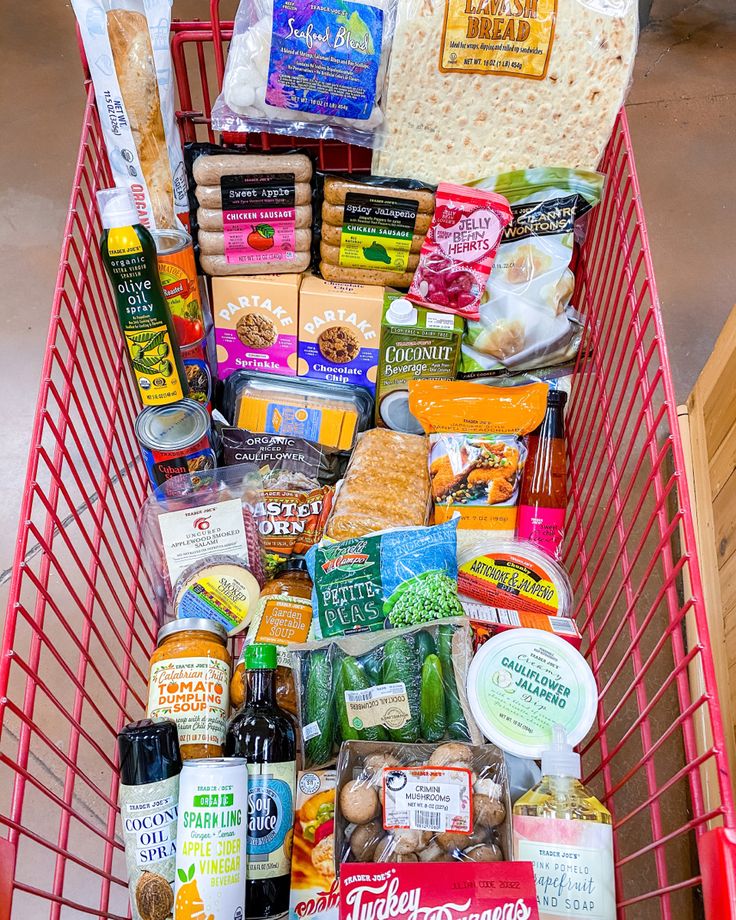
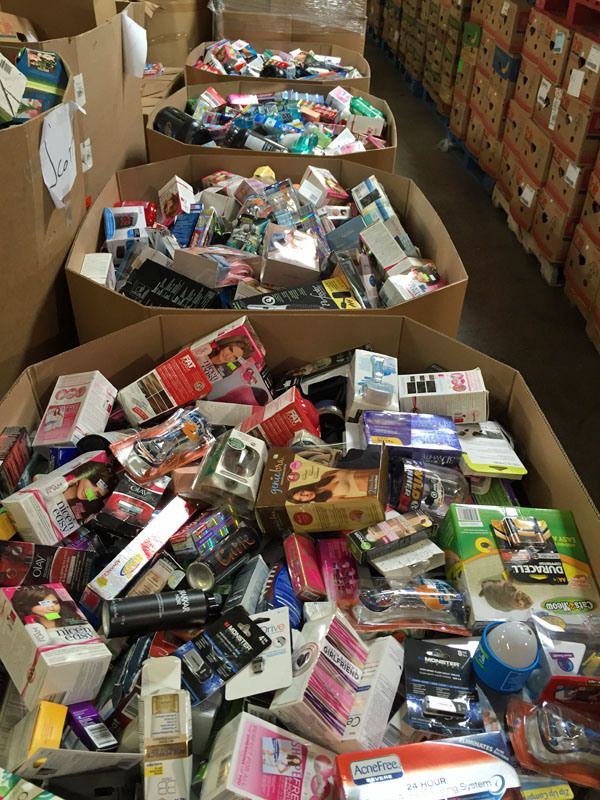
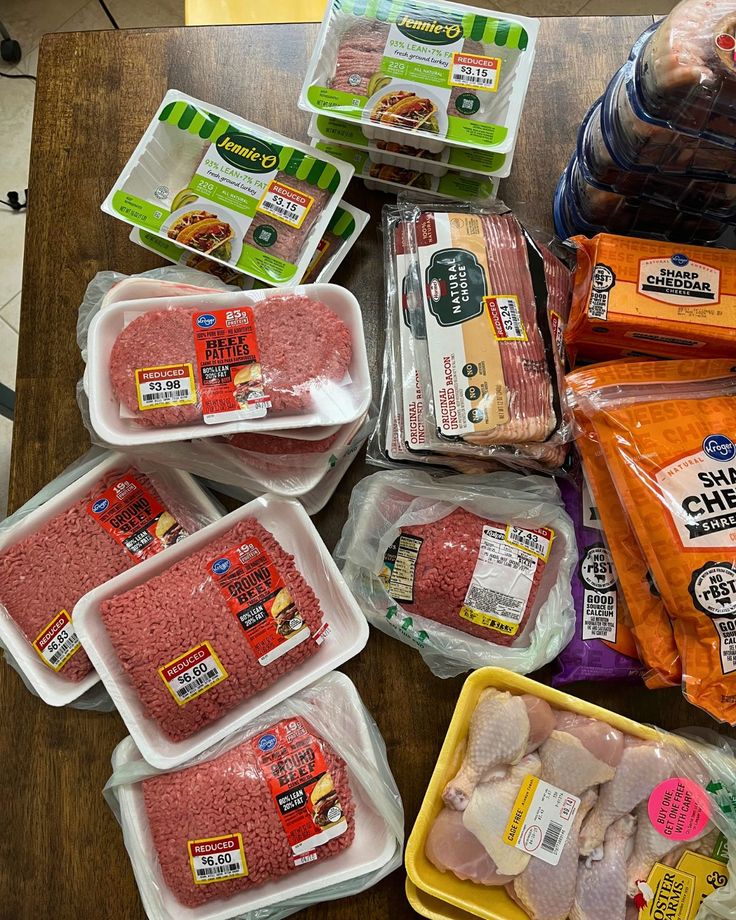
Buy pallet grocery For Sale (800+ Items From $850)
$850.00
Current Price: From $850 Per Pallet
Status: In Stock – Ready To Ship
Seller: Verified U.S. Grocery Liquidation Supplier
Source: Major Retailer Overstock, Shelf Pulls & Customer Returns
Condition: Mixed – New In Box, Like-New, and Shelf Pull Inventory
Brands Included: Kraft Heinz, Nestle, General Mills, Kellogg’s, PepsiCo, Coca-Cola and More
Sizes: Assorted Food & Beverage Items (Family Size, Single Serve, Bulk Packaging)
Items per Pallet: 800+ Items Assorted Styles
Estimated Retail Value: Up To $5,000+
Packaging: Mixed Retail Packaging, Cases, Cartons, Shrink Wrapped Pallets
Distribution Agreement Required: No
Shipping Area: Fast Freight Delivery Across USA & Worldwide
Important: The pallet grocery selection includes a wide range of branded food and beverage products suitable for retail resale and bulk distribution.
Detailed Breakdown By Brand Or Category
General Mills (140 Items) Sizes: Family Size and Single Serve Packaging
Note: Includes cereals, baking mixes, and snack bars with strong retail demand and consistent grocery turnover.
Kraft Heinz (140 Items) Sizes: Standard Retail Packaging and Bulk Units
Note: Includes sauces, pasta meals, condiments, and canned foods with high household consumption value and steady resale demand.
Nestle (130 Items) Sizes: Mixed Family and Individual Packaging
Note: Includes coffee, chocolate, bottled water, and frozen or shelf-stable food items with strong brand recognition and repeat purchase value.
Kellogg’s (120 Items) Sizes: Cereal Boxes and Snack Packs
Note: Includes breakfast cereals, granola bars, and snack products with high turnover in retail and convenience store markets.
PepsiCo (140 Items) Sizes: Bottled and Packaged Snack Items
Note: Includes chips, snacks, and packaged food items with strong demand in both retail and vending channels.
Coca-Cola and Beverage Brands (130 Items) Sizes: Cans, Bottles, Multi Packs
Note: Includes soft drinks, flavored beverages, and energy drinks with consistent resale demand and high-volume movement.
Example Pallet Manifest – Total: 800+ Items
- General Mills Products: 140 Items
- Kraft Heinz Products: 140 Items
- Nestle Products: 130 Items
- Kellogg’s Products: 120 Items
- PepsiCo Products: 140 Items
- Coca-Cola and Beverage Products: 130 Items
Pallet Grocery: What Is A Grocery Pallet And How Does It Work?
Inflation has turned the weekly trip to the supermarket into a source of stress for many households. As food prices climb, a growing number of savvy shoppers and entrepreneurs are turning to an unconventional solution: the pallet grocery market. By moving away from individual shelf pricing and toward bulk liquidation, it is possible to secure essential goods at a fraction of their retail cost.
Whether you are a head of a large household looking to stock a pantry for the year or a reseller aiming to start a “pallet flipping” side hustle, understanding the logistics of the grocery pallet industry is the first step toward significant savings.
Key Takeaways
-
Massive Savings: Grocery pallets offer 30% to 70% off retail prices by sourcing through liquidations and overstock.
-
Diverse Sources: Pallets come from Amazon returns, retail overstock, and manufacturer shelf-pulls.
-
Standard Sizing: Most grocery pallets follow the GMA 48×40 inch standard for easy transport and storage.
-
Resale Potential: Pallet flipping remains a viable side hustle if you focus on high-demand pantry staples.
-
Safety First: Always verify expiration dates and “best by” labels when purchasing liquidated food.
Pallet Grocery
In today’s retail landscape, “pallet grocery” refers to the secondary market where food and household goods are sold by the wooden platform rather than the item. This market exists because major retailers like Walmart, Target, and Amazon often have more inventory than they can handle. When items are returned, packaging is slightly dinged, or a product is discontinued, it is often cheaper for the store to liquidate the entire lot at a deep discount than to restock it.
Pallet grocery shopping differs from traditional shopping in one major way: you are trading convenience for volume. Instead of picking a single jar of peanut butter, you might buy a pallet containing 40 cases of it. For large families, food banks, and small business owners, this shift in scale translates to dramatic per-unit savings that are simply not available at a standard grocery store.
What Is A Grocery Pallet And How Does It Work?
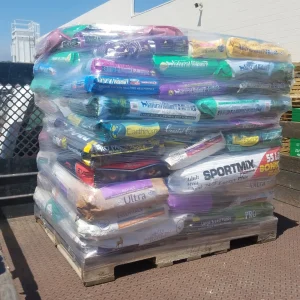
A grocery pallet is a bulk collection of food and household items stacked and shrink-wrapped onto a standardized wooden or plastic base. These lots typically include a mix of “dry goods”—think canned vegetables, pasta, snacks, and cleaning supplies.
The sourcing process is the engine of the industry. Retailers consolidate inventory from several streams:
-
Overstock: Items that didn’t sell fast enough to keep shelf space.
-
Returns: Non-perishable items sent back by online customers.
-
Liquidations: Goods from stores closing down or rebranding.
-
Surplus: Manufacturing overruns or seasonal items (like holiday-themed cereal).
Once purchased, the process usually involves a flat-rate price for the entire pallet. The buyer then arranges for local pickup or freight delivery, where the goods are transported directly from a warehouse to the buyer’s home or place of business.
What Does “Pallet” Mean For Food Products?
In the food industry, a “pallet” is the primary unit of logistics. It isn’t just a pile of food; it is a carefully calculated load. Food pallets are categorized by product type (e.g., “Beverage Pallet”) or condition (e.g., “Master Case” which means the boxes are unopened).
A common misconception is that food pallets are merely “expired food.” In reality, most reputable liquidators sell “shelf-pulls,” which are items removed to make room for new inventory, often months before their “best by” dates. However, buyers should always account for a small percentage of “shrinkage” or damaged packaging.
What Are The Three Types Of Pallets Used In Grocery Distribution?
The physical base of your grocery order matters more than you might think. There are three primary types:
-
Stringer Pallets: The most common. They use sideboards (stringers) to support the weight and are usually accessible by a pallet jack from two sides.
-
Block Pallets: These use sturdy wooden blocks instead of long stringers. They are “four-way” pallets, meaning a forklift can pick them up from any side, making them much easier to maneuver in tight home garages.
-
Solid Deck Pallets: These have a continuous surface of plastic or wood. These are preferred for smaller grocery items (like individual spice jars) to prevent them from slipping through the cracks during transit.
What Size Is A Grocery Pallet And Why Does It Matter?
The gold standard in North America is the GMA (Grocery Manufacturers Association) pallet, which measures 48×40 inches. Understanding this dimension is critical because it determines your storage needs.
A standard grocery pallet can be stacked up to 48 or 60 inches high, depending on the stability of the items. This means a single pallet can hold anywhere from 1,000 to 2,500 pounds of food. If you are ordering a full pallet, you must ensure your delivery area can handle a heavy freight truck and that you have a way to break down the load quickly.
Where To Find A Pallet Grocery Store Near You
Locating a supplier requires moving beyond the main street. Look for “liquidation warehouses” or “wholesale secondary markets” in industrial zones. When evaluating a local supplier, look for transparency. High-quality liquidators will allow you to see the pallet (or at least a detailed “manifest” or list of contents) before you pay.
Shopping locally has a massive advantage: shipping costs. Freight for a single 1,500-pound pallet can often cost as much as the groceries themselves. By picking up locally, you keep those savings in your pocket.
Is Buying Amazon Pallets A Real Way To Save On Groceries?
The “Amazon Pallet” trend has exploded on social media, but reality requires a bit of caution. Amazon liquidation pallets are often “mystery boxes.” While you might get high-end organic snacks and expensive coffee pods, you might also get a pallet of obscure flavor-syrups that no one wants.
| Feature | Amazon Return Pallet | Dedicated Grocery Outlet |
| Predictability | Low (Mystery contents) | High (Specific categories) |
| Condition | Mixed (Some damage) | Mostly New (Shelf-pulls) |
| Best For | Resellers/Flippers | Families/Daily Use |
| Price Point | Variable ($300 – $800) | Per-item or Case-lot |
How Much Does An Amazon Return Pallet Cost?
Generally, a grocery-focused Amazon pallet ranges from $300 to $800. The price is influenced by the “manifested” value (the total retail price of all items inside).
-
Unmanifested: Cheaper, but higher risk.
-
Manifested: More expensive, but you know exactly what you are buying.
What Are The Risks Of Buying Amazon Pallets?
The biggest risk is expired goods. While Amazon has strict rules, some items may have slipped through the cracks. Additionally, “liquidation” means no returns. If a case of soy milk leaked and ruined the rest of the pallet during shipping, you are responsible for the loss.
Is Pallet Flipping Profitable In Today’s Market?
Pallet flipping involves buying a grocery pallet at wholesale and selling the individual items for a profit on platforms like Facebook Marketplace, eBay, or at local flea markets. In the current economy, it is highly profitable because people are desperate for discounted essentials.
The Profitability Equation:
A pallet purchased for $500 might contain $1,500 worth of retail goods. After accounting for “junk” (10%) and your time, a $400-$600 profit per pallet is a realistic goal for a beginner.
Why Buy Pallet Grocery In Bulk For Your Home Or Business?
The logic is simple: Economy of Scale. When a manufacturer doesn’t have to spend money on individual shelf stocking, marketing, and retail labor, those savings are passed to the pallet buyer. For a family of four, buying a pallet of pantry staples like rice, beans, and canned goods can reduce the annual food budget by over 40%.
What Types Of Products Are Available In Pallet Grocery Categories?
You aren’t limited to just flour and sugar. Modern pallet categories include:
-
Pantry Staples: Cereal, pasta, oils, and spices.
-
Baby Products: Diapers, wipes, and formula (high resale value!).
-
Household: Detergents, paper towels, and kitchen appliances.
-
Specialty: Alcohol wipes bulk pallets or mixed kitchenware.
How To Store Pallet Grocery Purchases Safely At Home Or In A Warehouse
Receiving a ton of food at once is overwhelming. To protect your investment, follow the FIFO (First-In, First-Out) method. Label every case with the date it arrived and place the oldest items at the front of your shelves.
Storage Requirements:
-
Temperature: Keep dry goods between 50°F and 70°F.
-
Humidity: Use a dehumidifier to prevent cardboard boxes from softening and attracting pests.
-
Height: Keep pallets at least 6 inches off the ground to prevent moisture wicking.
What Are The Regulations Around Pallet Grocery Sales And Distribution?
Buying and selling food involves YMYL (Your Money Your Life) considerations. The FDA allows the sale of food past its “Best By” date, as these are quality indicators, not safety indicators. However, you cannot legally sell “Expired” baby formula or medications.
If you are reselling, you must check your local state laws regarding “Salvage Food Licenses.” Reputable suppliers will have these in place, ensuring the food was stored in a climate-controlled environment before it reached you.
Frequently Asked Questions About Pallet Grocery
How Does Pallet Grocery Help You Save Money On Food?
By bypassing the “middleman” of the retail storefront, you avoid paying for the store’s electricity, staff, and marketing. You are essentially buying at the same price point as the grocery store itself.
Is Pallet Flipping Profitable In Today’s Market?
Yes, especially in the “essentials” category. While luxury goods sales fluctuate, people always need soap, cereal, and toilet paper, making grocery pallets one of the safest investments for resellers.


Reviews
There are no reviews yet.