Buy Pallet De Ropa For Sale (300+ Pieces From $750)
Original price was: $850.00.$750.00Current price is: $750.00.
- Current Price: From $750 per pallet
- Status: In stock and ready to ship
- Seller: Verified U.S. apparel liquidation supplier
- Source: Major retailer overstock, shelf pulls, and light customer returns
- Condition: Mixed. New with tags, like-new, and pre-sorted light customer returns
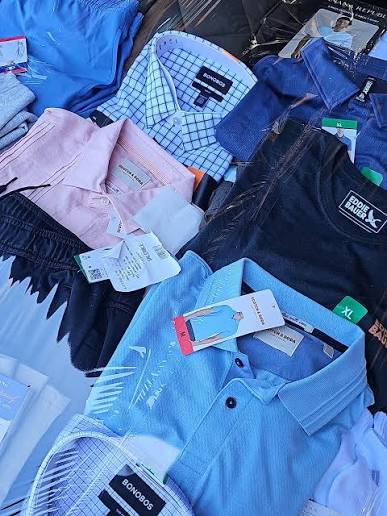
- Brands Included: Nike, Levi’s, Tommy Hilfiger, Hanes, Gildan, Old Navy, Carter’s, and more
- Sizes: Mixed adult and youth sizes (men, women, and kids), XS to XXL with select plus sizes
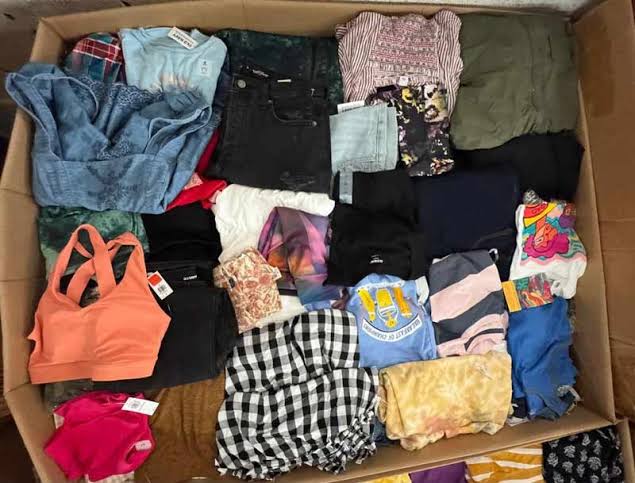
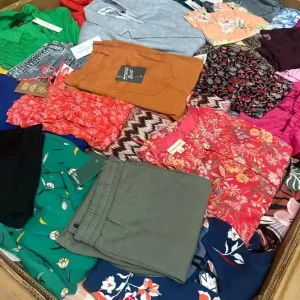
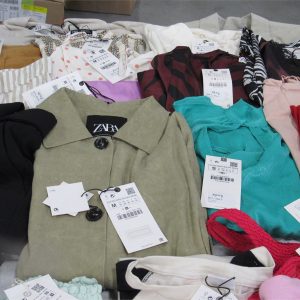
- Items per Pallet: 300+ pieces of assorted styles
- Estimated Retail Value: Up to $3,000+
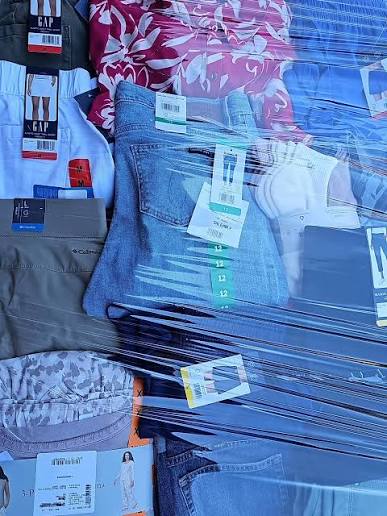
- Packaging: Poly-bagged or boxed, sorted by category, and stretch-wrapped on a standard 48 x 40-inch pallet
- Distribution Agreement Required: No
- Shipping Area: Fast freight delivery across the USA and worldwide
Every clothing pallet ships with a packing list showing categories, piece counts, and condition notes, allowing buyers to review the listed contents before the order leaves the warehouse.
Product Disclaimer: Prices, availability, brands, sizes, categories, quantities, condition ratios, packaging, and estimated retail values may vary between pallets. Request and review the current packing list, product photographs, and freight quote before purchasing. Any claim that a supplier or product is verified should be supported by current supplier documentation.
Detailed Breakdown by Category
Men’s Shirts, Polos, and T-Shirts
- Estimated Quantity: 60 to 80 pieces
- Sizes: Men’s S to XXL, with select Big and Tall
- Common Items: Cotton t-shirts, polo shirts, button-down shirts, and flannels from brands such as Gildan, Hanes, Fruit of the Loom, and Tommy Hilfiger
Basic men’s tops turn over quickly because they are easy to price, easy to ship, and easy to sell in bundles or as single units on eBay and Facebook Marketplace.
Women’s Tops, Blouses, and Sweaters
- Estimated Quantity: 55 to 75 pieces
- Sizes: Women’s XS to XXL
- Common Items: Blouses, tank tops, graphic tees, tunics, and lightweight sweaters from brands such as Old Navy, Loft, Maurices, and Rue21
Women’s tops are among the fastest-moving clothing categories on Poshmark and Mercari, especially when sorted by size and style before listing.
Jeans, Pants, and Denim
- Estimated Quantity: 35 to 55 pieces
- Sizes: Mixed waist sizes 28 to 42, plus juniors and misses
- Common Items: Levi’s, Wrangler, Lee, American Eagle, and Signature by Levi Strauss denim
Denim holds strong per-piece resale value, and Levi’s jeans in particular may sell for several times the wholesale cost per piece.
Kids’ and Baby Clothing
- Estimated Quantity: 45 to 65 pieces
- Sizes: Newborn to youth 16, including 2T, 4T, and 5T
- Common Items: Carter’s, OshKosh B’gosh, Garanimals, and The Children’s Place sets, bodysuits, and playwear
Kids’ clothing sells year-round and is popular with parents who buy assorted bundles at a discount.
Dresses, Skirts, and Activewear
- Estimated Quantity: 30 to 50 pieces
- Sizes: XS to XXL
- Common Items: Casual dresses, maxi dresses, leggings, joggers, and sports bras from brands such as Danskin, Xersion, and athletic private labels
Dresses and activewear can command higher per-piece prices in online boutiques, particularly during the spring and summer seasons.
Hoodies, Sweatshirts, and Light Jackets
- Estimated Quantity: 15 to 35 pieces
- Sizes: Mixed adult and youth
- Common Items: Fleece hoodies, zip-ups, crewnecks, and lightweight jackets in assorted colors
Outerwear carries higher individual resale prices, and demand often rises during the fall and winter seasons.
Category Disclaimer: Brand names, categories, sizes, and estimated quantities are examples and may not appear in every pallet. All trademarks belong to their respective owners. No affiliation with or endorsement by the listed brands is implied.
Example Pallet Manifest
Estimated Total: 300+ Pieces
| Item Category | Estimated Pieces |
|---|---|
| Men’s t-shirts, polos, and button-down shirts | 70 pieces |
| Women’s tops, blouses, and sweaters | 65 pieces |
| Jeans, pants, and denim shorts | 45 pieces |
| Kids’ and baby clothing sets and separates | 55 pieces |
| Dresses, skirts, leggings, and activewear | 40 pieces |
| Hoodies, sweatshirts, and light jackets | 25 pieces |
| Total | 300 pieces |
Manifest Disclaimer: This is an example manifest only. The actual brands, categories, sizes, quantities, and condition ratios will depend on the available inventory. The current packing list provided for a specific pallet should be treated as the controlling product list.
Ideal for Clothing Resellers and Bulk Buyers
This pallet de ropa may be suitable for supplying:
- eBay, Poshmark, Mercari, and Amazon resellers
- Facebook Marketplace sellers
- Flea market and swap meet vendors
- Online boutiques
- Thrift and discount stores
- Export buyers and international wholesalers
Its low wholesale cost per piece and constant everyday demand for apparel may provide strong resale opportunities and healthy profit margins when sold by the piece, in curated bundles, or in lot auctions.
Condition Disclaimer: Inspect every piece when the pallet arrives. Condition ratios between new, like-new, and customer returns are estimates and are not guaranteed. Some light returns may show signs of wear, missing tags, or minor flaws. Buyers are responsible for confirming condition standards, marketplace listing rules, and any local resale requirements before distributing or listing clothing.
Profit Disclaimer: Estimated retail values, resale prices, and profit margins are provided for general informational purposes only. Actual results depend on brand mix, sizes, styles, seasonal demand, local competition, marketplace fees, shipping expenses, storage costs, taxes, and the reseller’s pricing strategy. No sales volume, retail value, or profit is guaranteed.
Pallet De Ropa For Starting Your Resale Business
The fastest way to stall a new resale business is to pay $900 for a pallet that will not resell. Most beginners overlook the manifest, misread condition grades and pay too much for freight. This guide explains what a de ropa pallet actually includes, how to legally purchase one in the United States, and how to select the right lot for your budget.
Key Takeaways
- A pallet de ropa is a wholesale clothing lot sold on a single pallet, built from overstock, shelf pulls, and customer returns.
- Legitimate B2B platforms require a registered business and a state-issued resale certificate, with rules that vary by state.
- Your true cost is pallet price plus freight plus fees divided by piece count, not just the pallet price.
- Single brand lots cost more per piece but need less sorting; mixed lots cost less but demand more labor.
- Always read the current manifest, verify the supplier’s physical address, and inspect every piece on arrival.
Pallet De Ropa For Starting Your Resale Business
A pallet de ropa is a bulk lot of clothing that is shrink-wrapped onto a standard 122 by 102 cm pallet and sold wholesale for onward sale. Suppliers build these pallets using three types of clothing: new overstock that never sold, items that were displayed on the shop floor, and customer returns that have been inspected and sorted. The mix determines the price and resale potential.
Condition grading is where beginners tend to lose money. Most U.S. liquidators use letter grades. Grade A items are typically new with tags or like-new. Grade B items may have missing tags, light wear, or damaged packaging. Grade C often includes items with visible wear, stains or defects that require repair or upcycling. As grades are not standardised, always ask the supplier for their written definition.
Table 1: Condition Grade Decoder – What The Labels Usually Mean
| Grade | Typical Condition | What To Expect |
|---|---|---|
| Grade A | New with tags, like-new | Tags attached, no visible wear |
| Grade B | Shelf pulls, light returns | May miss tags, light deodorant marks |
| Grade C | Visible wear or defects | Stains, tears, for discount or repair |
| Salvage | Heavy wear, unsellable mix | For fabric recycling or parts |
Illustrative Disclaimer: Grades vary by supplier. The current manifest and supplier grading sheet control the sale.
How To Buy A Pallet De Ropa In The United States?
The process is simple when you follow it in order. Skip a step and you risk fees or seized shipments.
- Define your niche and budget. Decide if you want women’s, men’s, children’s, athletic, or mixed apparel. Your niche decides your price target per piece.
- Register your business. Most B2B liquidation sites require a legal business name and an EIN from the IRS. You can apply through the IRS EIN application portal.
- Obtain a resale certificate. States issue seller’s permits or resale certificates so you can buy inventory tax-free for resale. Names and forms differ by state, so check your state rules via California resale certificate rules or your own state revenue agency.
- Vet suppliers. Request the current manifest with brand, size, color, quantity, and condition per line. Ask for photos of the actual pallet, not stock images.
- Calculate landed cost. Use this formula before bidding.
Table 2: Landed Cost Example – How To Find True Cost Per Piece
| Cost Item | Example Amount | Notes |
|---|---|---|
| Pallet price | $895 | From supplier quote |
| Freight to your zip | $185 | Varies by distance and weight |
| Platform and handling fees | $45 | Some marketplaces charge |
| Total landed cost | $1,125 | Sum of above |
| Pieces in pallet | 300 | From manifest |
| True cost per piece | $3.75 | Total divided by pieces |
- Start with one small pallet. Sell through it completely, track sell-through rate and return rate, then reinvest.
Manifest Reading Checklist:
- Does each line show brand, size, and condition?
- Are quantities totaled and matched to pallet count?
- Are returns separated from new overstock?
- Is there a lot code and date?
- Are photos of the actual lot included?
Where To Find A Pallet De Ropa Near Me?
If you are buying your first pallet, a local inspection will lower the risk. Search Google Maps for ‘liquidation warehouse’ and your city, and check industrial districts near ports and freight hubs. Examples include Los Angeles, Houston, Miami, Dallas and northern New Jersey, but warehouses can be found in most major metropolitan areas.
Online, use B2B liquidation marketplaces and wholesale directories to compare nationwide listings. Trade shows, local flea market vendor groups and Facebook resale communities often share the names of vetted warehouses.
Supplier Verification Checklist:
- Physical address that matches maps and business filings
- Business tax ID and resale certificate acceptance
- Traceable payment methods, no wire-only or gift cards
- Written manifest and return policy for misrepresented loads
- Reviews from other resellers with photos
Image Suggestion: Buyer inspecting shrink-wrapped clothing pallet | Alt Text: Reseller inspecting pallet de ropa at liquidation warehouse
What Brands Are Included In Pallet De Ropa De Marca?
Ropa de marca lots are requested because brand recognition speeds sales. Athletic and fashion labels appear most often, including Nike, Adidas, Under Armour, Levi’s, Tommy Hilfiger, Ralph Lauren, Gap, Old Navy, Hanes, Gildan, and Carter’s. The exact mix depends on the week’s overstock and returns, so treat brand lists as examples.
Brand Disclaimer: Brand names are examples only, contents vary by pallet, and all trademarks belong to their respective owners. No affiliation with or endorsement by these brands is implied.
Table 3: Single Brand Versus Mixed Brand Lots
| Factor | Single Brand Lot | Mixed Brand Lot |
|---|---|---|
| Cost per piece | Higher, brand premium | Lower, volume discount |
| Sorting time | Minimal | Significant |
| Buyer appeal | Focused, boutique ready | Broad, flea market friendly |
| Risk | Lower condition variance | Higher variance, more inspection |
If brand names drive your pricing, verify authenticity on arrival. Check stitching, tags, RN numbers, and packaging against official brand standards. For guidance, review the FTC guide to counterfeits.
Does Target Sell Merchandise Pallets?
Target does not sell liquidation pallets to customers in its stores. Instead, Target clears returns and overstock items through authorised B2B liquidation auction channels and third-party liquidators who resell smaller lots.
As a Target liquidation load often contains a mix of categories, a single manifest may include apparel, home goods, toys and small electronics. If you are only interested in clothing, filter for apparel-only manifests and confirm the condition codes. As Target’s partners can change, please verify the current authorised platform before registering.
What Do Women’s Clothing Pallets Contain?
Women’s clothing is usually the largest category of apparel. Expect to find dresses, blouses, T-shirts, jeans, leggings, activewear and seasonal tops in sizes ranging from XS to XXL, with a plus size section often included. Much of this merchandise comes from department store and big-box overstock, which is why the styles look familiar from recent seasons.
In practice, women’s clothing sells fastest when it is sorted by size and occasion before being listed. Create size-based bundles, photograph them against a clean background and list them on marketplaces such as Poshmark, Mercari and Facebook Marketplace. Inspect items for deodorant marks and missing buttons, which are common in returned items.
What Do Athletic Clothing Pallets From Brands Like Adidas Include?
Athletic pallets typically include brand t-shirts, shorts, joggers, hoodies, socks, and children’s soccer sets. Loads mix new overstock with customer returns, and a good manifest separates the two. Demand stays strong in resale shops and flea markets because price points are accessible and sizes move quickly.
Youth soccer apparel deserves special attention. Local leagues create repeat seasonal demand for shorts, jerseys, and matching sets. That demand makes even small athletic lots attractive for family-focused sellers.
Counterfeit Checklist for Athletic Lots:
- Compare logo placement and font to official brand site
- Check RN or CA numbers on inner tags
- Inspect stitching density and hem quality
- Verify packaging and poly bag printing
- Reject lots that refuse photos of actual tags
What Do Children’s Clothing Pallets Offer?
The children’s range includes pyjamas, bodysuits, school uniforms, play sets and outerwear, often from brands such as Carter’s, OshKosh B’Gosh and The Children’s Place, as well as private-label store brands. Sizes range from newborn to youth size 16. Parents tend to buy frequently and in bulk, prioritising price and durability over brand.
This niche rewards high sales volumes and careful freight management. As children’s items are light, the freight cost per item remains lower than for denim or outerwear, which helps protect the margin. Sort by age group and season, then bundle by size to increase the average order value.
What Characterizes Mixed Clothing Pallets?
A mixed pallet contains a variety of items, including different categories, brands, sizes and conditions. One pallet may contain athletic wear, dresses, home textiles such as towels, and footwear. Suppliers create mixed pallets to sell assorted overstock quickly, which is why they are priced lower per item.
The trade-off is labour. While mixed lots cost less, they demand that you sort, grade, steam and photograph every piece yourself. Some items may not be suitable for your market, so consider selling them through a secondary outlet, such as a discount bin or bundle sale.
Use Case 1: Flea Market Starter
A first-time seller in Houston with a budget of $1,000 and access to a truck buys a pallet of 250 mixed apparel items at a true cost of $3.20 per piece. They sort by category, selling women’s tops and children’s bundles at the flea market for between $8 and $12 per item, selling slower-moving men’s sizes in $20 bundles and donating unsellable Grade C items to receive a tax receipt. The sell-through rate over six weeks funds a second, more focused women’s pallet.
Request a customised catalogue based on your budget and ask for the category breakdown in writing before you pay.
What Do Dress And Swimwear Pallets Include?
These seasonal lots concentrate summer inventory: sundresses, maxi dresses, swimsuits, and cover-ups, often sourced from department store labels like those carried at Macy’s, plus Old Navy and GAP overstock. Timing matters more than unit price. Buy in late winter, list before Memorial Day, and expect demand to fade after August.
Check swimwear liners and elastic on arrival, because returns in this category show wear quickly. List swimwear with clear measurements and hygiene notes to reduce returns.
Can You Buy A New Pallet De Ropa From Amazon?
Not directly on Amazon’s retail site. Instead, Amazon sells surplus and returned inventory through its own B2B auction platform, Amazon Liquidation Auctions, as well as through large liquidation marketplaces that resell Amazon stock.
Most Amazon clothing lots contain customer returns, while a smaller proportion consists of unsold overstock. This distinction is important. While returned items may be unused, they can also be worn or missing packaging, whereas overstock is typically new. Check the condition codes on the manifest line by line before bidding and verify the current name and address of the official auction site.
What Do Academy Sports Clothing Pallets Offer?
Academy Sports + Outdoors sells apparel through wholesale channels, and these lots tend to include imperfect items such as shelf pulls with marked tags, lightly used returns and past-season overstock. Expect to find athletic T-shirts, shorts, outdoor apparel and footwear in the mix.
As the condition is lower, so are the prices, which suits smaller budgets and bin-style resellers. Read the grade notes to find out how much of the pallet is first quality versus imperfect. These lots are ideal for discount stores where customers prioritise value over perfect presentation.
What Do Men’s Clothing Pallets Contain?
Men’s lots typically contain a mix of new overstock, shelf pulls, and light returns, including Tommy Hilfiger polos, Dockers trousers, branded T-shirts, button-down shirts, and shorts. There is reliable wholesale demand for men’s summer wear because T-shirts and shorts are easy to size, ship and price.
Many vendors prefer men’s lots as beginner inventory since there are fewer sizing complications in this category. Sort by size and style before listing and you will find that sell-through improves noticeably when you group by size run.
Use Case 2: Boutique Owner Focused on Denim
A boutique owner in Miami purchases a pallet containing 60 pairs of jeans and a pallet containing 40 women’s tops. She grades the jeans by waist size and wash, listing premium washes at between $35 and $45 and bundling the tops with the jeans at $55. Any remaining Grade B pieces are sold in flash sales on Instagram Stories. Clear grading and bundle pricing increase the average order value while keeping inventory moving.
What Do Jeans And Denim Pallets Include?
Denim carries some of the strongest per-piece resale value in clothing liquidation, and Levi’s is the anchor brand buyers ask for, alongside Wrangler, Lee, and mall-brand denim. A typical pallet combines tops and bottoms: jeans with t-shirts, flannels, and light jackets, mostly in waist sizes 28 to 42.
Check pairs individually on arrival, because denim returns sometimes show hem wear, knee fading, or altered inseams that photos miss. Measure waist and inseam yourself rather than relying on tag size alone.
What Special Items Do Seasonal Pallets Include?
Seasonal pallets concentrate themed merchandise into one load: Halloween costumes, Christmas pajamas, back-to-school sets, and spring swimwear. Suppliers assemble them as retailers clear seasonal floors, so merchandise arrives weeks before demand peaks.
Table 4: Seasonal Buying Calendar – When To Buy And Sell
| Season | Typical Items | Buy During | Demand Peak |
|---|---|---|---|
| Halloween | Costumes, themed tees | July to August | October |
| Christmas | Holiday pajamas, sweaters | September to October | December |
| Back to school | Kids sets, uniforms | May to June | August |
| Summer | Swimwear, dresses | January to March | June |
Early buying rewards you twice: better selection and lower cost per piece, because suppliers discount leftovers hard once the season passes. Store off-season inventory properly to avoid moisture and odor issues.
Frequently Asked Questions About Pallet De Ropa
Why Is Buying A Pallet De Ropa For Starting Your Resale Business A Profitable Option?
The wholesale price of pallets is far below the retail cost of individual items, creating a margin between the bulk cost and the resale price on marketplaces, at flea markets or in stores. Your profit depends on the brand, the condition, the size of the production run, freight costs, fees, and your sales channel.
Illustrative maths: If your true cost per piece is $3.75 and you sell it for $12, your gross margin before marketplace fees and taxes is $8.25. However, fees, shipping to your buyer, storage costs and unsellable items can reduce this margin. No sales volume, retail value or profit is guaranteed, so you should always request the current manifest before making a purchase.
How Do You Safely Buy Wholesale Clothing In The United States?
Register your business, obtain a resale certificate, and buy only from suppliers who provide manifests, condition grades, and a verifiable physical address. Use the SBA license requirements guide to confirm local permits.
Inspection On Arrival Checklist:
- Count pieces against manifest and photograph the unopened pallet
- Check for counterfeit signs, stains, tears, and missing tags
- Separate Grade A for full price, Grade B for discount, Grade C for repair or donation
- Do not sell items with pest, mold, or chemical odor
- Confirm no recalled items and keep lot codes for records
Pay through traceable methods, keep invoices, and inspect everything before listing. If a deal requires wire transfer only, has no address, or refuses a manifest, walk away.
Related products
-
Clothing Pallets
Buy Proveedores Ropa For Sale (500+ Pieces From $1,295)
Original price was: $1,349.00.$1,295.00Current price is: $1,295.00. Add to cart -
Clothing Pallets
Gymshark Wholesale for Sale | Liquidation Pallets (300+ pieces -$550)
$550.48 Add to cart


Reviews
There are no reviews yet.