Wholesale Bras And Panties: Find Reliable Retailers Distributors
Finding a wholesale bras and panties supplier is easy. Finding one that ships the sizes you actually sell, at the price you were quoted, is the hard part. Most first orders go wrong for the same reasons: an unclear size breakdown, a quote that excluded freight and duty, and no sample checked before the money moved. This guide covers supplier types, vetting steps, pallet risk, landed cost, and the US labeling rules that apply once the stock is yours.
Key Takeaways
- Manufacturers, wholesalers, and distributors serve different order sizes. Match the route to your capital, not your ambition.
- Compare landed cost, not the quoted unit price. Freight, duty, and sorting labor change the ranking.
- Always buy and inspect a paid sample before a first bulk order, and ask for the size breakdown inside each case.
- Unmanifested pallets are the cheapest and riskiest way to buy bras. Ask for a manifest or budget for dead stock.
- US sellers are responsible for fiber content, country of origin, and care labeling on the goods they resell.
- Most wholesale accounts require a state resale certificate, so register the business before you request terms.
Wholesale Bras And Panties
Buying wholesale means ordering intimates by the case, carton, or pallet rather than the piece, in exchange for a lower cost per unit. The tradeoff is capital tied up in stock and the risk that it does not sell.
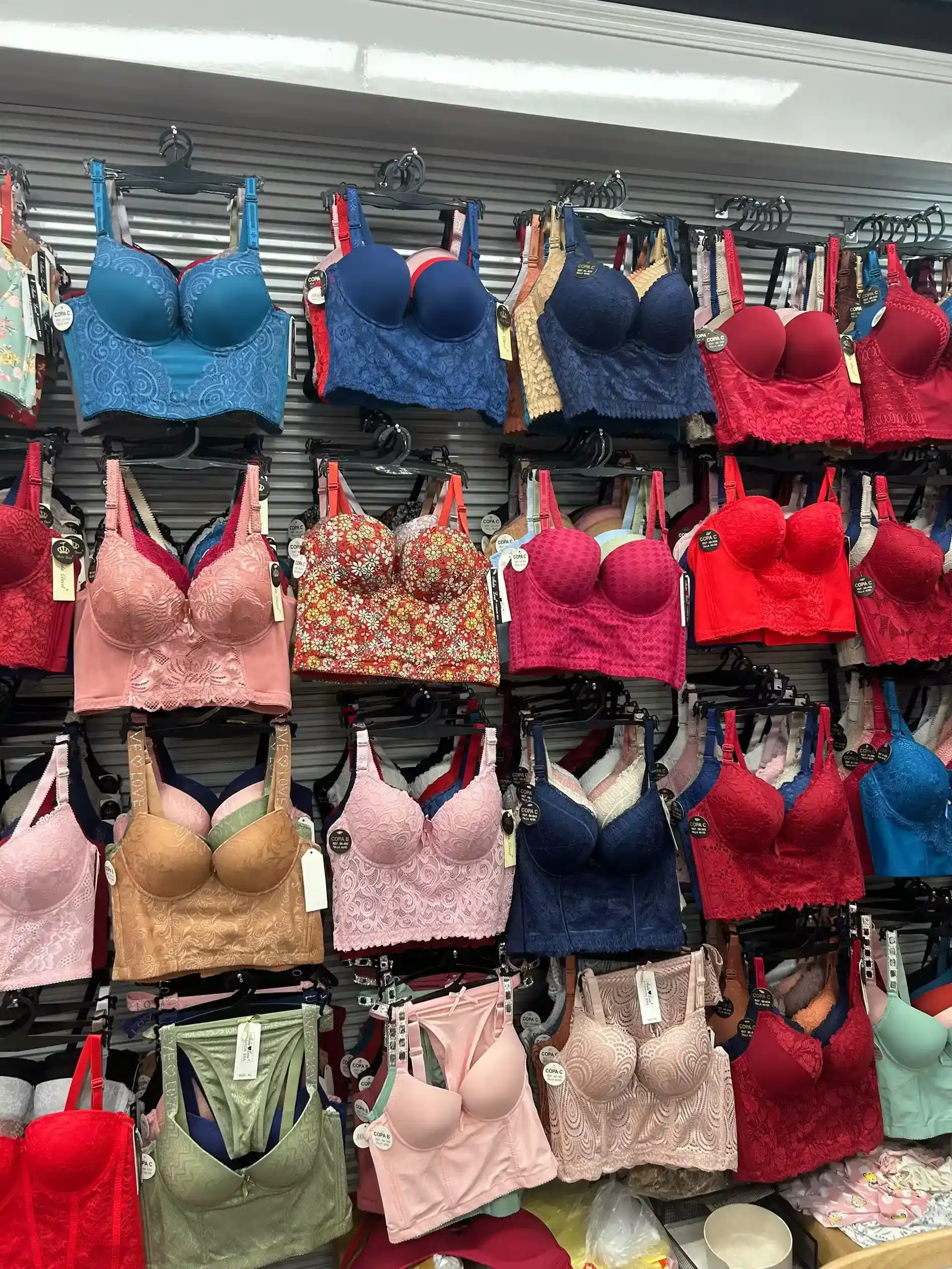
Four groups buy this way. Boutique owners filling shelves, online sellers running marketplace storefronts, market and pop-up traders who need volume at low cost, and shelters or donation programs distributing new undergarments at scale. Their priorities differ sharply, and so should their sourcing.
The genuine advantages are steadier restocking, predictable cash flow planning, and per-unit pricing that improves as volume rises. The genuine risk is that a cheap case in the wrong sizes costs more than an expensive case in the right ones.
A practical starting rule: buy narrow before you buy wide. Three strong styles across a full size range will usually outsell twelve styles in two sizes.
Where Can You Find Reliable Wholesale Lingerie Suppliers And Distributors?
Reliable suppliers come from apparel trade shows, established B2B marketplaces, industry trade directories, and direct outreach to manufacturers. None of those channels verify a supplier for you. Verification happens through samples, written terms, and references.
The three supplier types are not interchangeable:
| Supplier type | Typical commitment | Best suited to |
|---|---|---|
| Manufacturer | Large per-style minimums | Own-brand production |
| Wholesaler | Medium case quantities | Boutiques and online sellers |
| Distributor | Flexible, mixed bundles | Small shops wanting known labels |
If you are importing directly rather than buying domestically, review the basic import requirements before committing, because customs entry, duty, and recordkeeping obligations fall on the importer of record.
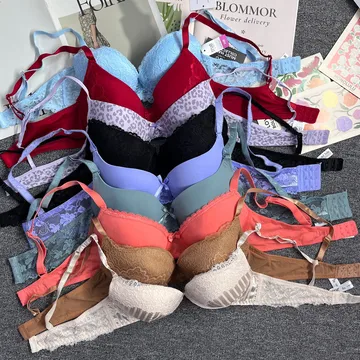
Some suppliers now offer extended band and cup runs plus assorted lots that blend styles. Both widen the customer base a single order can serve, which matters when your shelf space is fixed.
What Should You Look For In Lingerie Vendors And Wholesalers?
Three qualities separate a long-term partner from a one-off transaction: consistent restocking, transparent all-in pricing, and written return terms.
Consistent stock means the same style, color, and fit is available six months from now. Customers who love a bra come back for it, and a supplier who cannot reorder costs you that repeat sale.
Use this screen before you send money:
| Red flag | Why it matters | What to ask instead |
|---|---|---|
| No business registration details | No recourse if goods never arrive | Request registration number and address |
| Refuses paid samples | Quality cannot be assessed | Offer to pay full price plus shipping |
| Quote excludes freight and duty | Real cost may be far higher | Request a landed cost quote |
| No published size chart | Sizing will be inconsistent | Ask for garment measurements per size |
| Messaging app only, no invoice | No paper trail | Request a formal proforma invoice |
Compare at least three suppliers on the same style. Judge sizing accuracy against the supplier’s own published measurement chart rather than against a universal standard, because bra sizing is not standardized across brands.
How Do Intimate Apparel Wholesale Distributors Support Retailers?
Distributors sit between manufacturers and retailers. They hold inventory, consolidate orders, and break factory runs into quantities a small shop can absorb.
Typical services include warehousing and palletizing, split-case picking, retail-ready polybags and hang tags, and bundling bras with matching panties into sellable sets.
The practical benefit is access. A brand-name manufacturer may require a commitment far beyond a new retailer’s budget. A distributor already owns that stock and will sell you a fraction of it.
The cost is margin. You pay for the convenience, and as your volume grows, buying direct usually becomes worth the higher commitment and longer lead time.
Which Wholesale Sourcing Route Fits Your Business?
Answer honestly. This is a planning aid, not financial advice.
Question 1: What is your first-order budget?
- A. Under a few hundred dollars, go to Question 2.
- B. A few thousand dollars, go to Question 3.
- C. Enough for a full factory run, go to Question 4.
Question 2: Do you already know which styles sell?
- A. No. Start with an assorted lot or sample pack from a wholesaler. Test four weeks, then reorder winners.
- B. Yes. Order single-design cases in your two proven styles only.
Question 3: Do you need recognized brand names on the shelf?
- A. Yes. Use a distributor. Accept the markup in exchange for split-case access.
- B. No. Buy case quantities direct from a wholesaler and put the saved margin into size depth.
Question 4: Do you have a finished tech pack and graded pattern?
- A. Yes. Approach manufacturers and request costed samples from three factories.
- B. No. Manufacture later. Resell now and use sales data to design against real demand.
How Can You Buy Wholesale Panties And Knickers In Bulk?
Panties are ordered by the case, the assorted pack, or the mixed lot. Work through it in order:
- Decide your style split across briefs, thongs, boyshorts, and high-waist.
- Request the pack configuration and units per case.
- Confirm the size breakdown inside each case, not just the total count.
- Buy one paid sample pack. Check fabric weight, seam finish, and elastic recovery after two washes.
- Request the full price-break sheet, then order at the tier you can realistically sell through.
Suppliers set price breaks at defined case counts, so a modest increase in order size can lower the per-unit cost. That only helps if the extra units sell. Compare offers on landed cost:
| Cost component | Often excluded from quotes | How to confirm |
|---|---|---|
| Unit price | No | Written price list by tier |
| Inbound freight | Frequently | Ask for delivered price to your ZIP |
| Duty and customs fees | Frequently, on imports | Confirm HTS classification with broker |
| Packaging and labeling | Sometimes | Ask if polybags and tags are included |
| Sorting or relabeling labor | Almost always | Estimate your own hours per case |
Ready to compare real numbers? Request a current wholesale price list and ask for it delivered to your address so freight is included.
Where Can You Source Bulk Thongs And Panty Lots?
Thong lots and mixed panty bundles come from wholesalers, liquidation channels, and manufacturers clearing seasonal overstock.
Assorted lots exist for testing. Instead of committing to a thousand units of one design, buy a mixed lot, track what sells over four weeks, then reorder only the winners as single-design cases.
Test with assorted, scale with single-design. That sequence limits how much capital any single style can trap.
Who Are The Best Ladies Panties Wholesale Suppliers?
There is no universal best supplier, because the right one depends on your size profile and reorder speed. Rank shortlisted suppliers on three measures rather than price alone.
Fabric quality shows up after washing, so test before you commit. Sizing accuracy shows up in your return rate, so measure samples against the supplier’s chart. Reorder speed shows up when a style sells out and you need it back in two weeks rather than two months.
Ask directly whether repeat-buyer discounts, priority allocation, or freight credits exist. Many wholesalers offer them without advertising them, and they are negotiated, not published.
How Do You Purchase Wholesale Women’s Underwear And Undergarments In Bulk?
The category is wider than most new buyers expect: cotton basics, seamless microfiber, sports bras, camisoles, slips, thermals, and shapewear all trade in wholesale channels.
Packaging follows purpose. Retail-ready polybags with hang tags suit shop floors and marketplace fulfilment. Plain bulk cartons suit shelters and community distribution, where volume and durability matter more than presentation.
Size run planning decides whether the order works. Do not order an even spread across sizes. Weight the order toward the sizes your own sales data shows, and if you have no data yet, start shallow across the range and deepen after one season.
Use case: the boutique restock. A store owner sells steadily in the middle of the size range but keeps losing customers at the top and bottom. Rather than adding new styles, she reorders her two bestsellers with a deeper run at the extremes and buys one assorted lot to test demand there. The result is a smaller catalog with fewer gaps, though she accepts slower turnover on the outer sizes.
Where Can You Find Cheap Womens Underwear In Bulk?
Lower-cost stock comes from overstock sellers, liquidation auctions, and end-of-season clearance from wholesalers and retail chains freeing warehouse space. Prices fall because the seller has accepted mixed condition, incomplete size runs, and occasionally customer returns inside the lot.
Cheap stock still carries full legal responsibility. If you resell textile apparel in the United States, the goods must carry accurate fiber content, country of origin, and manufacturer identity information under the FTC textile labeling requirements, plus care instructions under the care labeling rule. Wearing apparel must also meet the flammability standards enforced under the Flammable Fabrics Act. Clearance lots with cut or missing labels can create a compliance problem you inherit.
Poor-quality intimates damage a brand faster than most categories, because the customer feels the defect. Stock that generates refunds is not cheap.
What Are Bra Pallets And How Does Bra Wholesale Work?
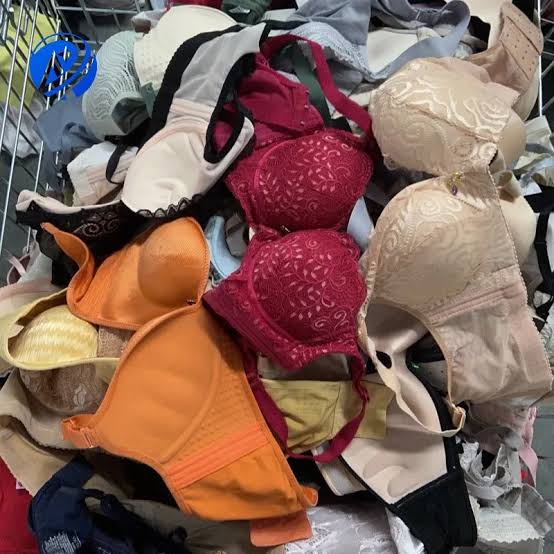
A bra pallet is a large mixed shipment of overstock, shelf-pull, or returned intimates sold by weight or unit count rather than by style. Pricing per unit is the lowest available in the trade, and so is your control.
The critical distinction is the manifest. A manifested pallet lists contents, quantities, and often sizes, so you can estimate sell-through before bidding. An unmanifested pallet lists none of that, and the discount exists precisely because the seller will not tell you what is inside.
| Factor | Pallet buying | Individual wholesale |
|---|---|---|
| Per-unit cost | Lowest | Moderate |
| Size and style control | None to limited | Full |
| Unsold stock risk | High | Low |
| Sorting and grading labor | Significant | Minimal |
Sorting hours are a real cost. A pallet that looks profitable on paper can lose money once someone spends two days grading, photographing, and listing it.
Use case: the donation program. A coordinator needs volume, not variety, and is buying new-in-pack briefs for distribution. A manifested overstock pallet of a single style in mixed sizes fits well, because incomplete size runs matter less when goods are given away. The same pallet would be a poor fit for a boutique.
How Can You Order Wholesale Bras And Panties From Flourish?
Flourish Nightwear and Undergarments supplies bras, panties, nightwear, and everyday undergarments to retailers and bulk buyers through direct inquiry. Disclosure: this guide is published by Flourish, which sells the products described here.
Ordering works in three steps:
- Contact the team to request current wholesale terms and conditions.
- Share your target categories, size profile, and approximate order volume.
- Receive a price list with tier breaks and confirm your first order.
Buyers outside the local dialing area should dial the number in international format, and US buyers are advised to confirm shipping cost and delivery time to their state before ordering. Ask specifically for a delivered price so freight is included in your comparison.
How Do You Start Your Own Bra Business?
Work through the sequence in order:
- Research your market and identify a gap you can describe in one sentence.
- Choose a defined niche such as extended sizes, post-surgical, sports, or maternity.
- Decide between reselling wholesale stock and manufacturing your own designs.
- Register your business and obtain a state resale certificate, which most wholesale accounts require before granting terms.
- Build sizing charts, fit guidance, and return policy before launch, not after.
- Order a small first range and let sales data guide the second.
Niche selection is where most founders rush. A general lingerie brand competes with everyone. A brand built around one clearly defined fit problem competes with very few.
Reselling reaches revenue faster with less capital. Manufacturing offers better margin and full control, but requires patternmaking, sampling, and a minimum order commitment before a single unit sells.
How Do You Create Your Own Bra Design?
Design moves through concept sketching, fabric and component selection, patternmaking, prototyping, fit testing, and final sample approval. Skipping stages moves cost later, not away.
Fabric and hardware choices drive everything downstream. Power mesh, elastic type, underwire gauge, cup construction, and hook-and-eye hardware all affect comfort, durability, and unit cost simultaneously.
Fit testing deserves the most attention. A bra graded mathematically from one sample size tends to fail at the ends of the range, which is exactly where customers are most loyal when a brand gets it right. Test on real bodies at several points across the range and expect multiple sample rounds.
How Much Does It Cost To Manufacture A Bra?
There is no single reliable figure, and any site quoting one without naming a factory, country, quantity, and specification is guessing. Cost is built from drivers, not averages.
| Cost driver | What increases it |
|---|---|
| Materials | Lace, specialty knits, branded elastics |
| Components | Underwire, rings, sliders, molded cups, padding |
| Labor | High component count and assembly steps |
| Order quantity | Low volumes spread setup costs thinly |
| Complexity | Seamless construction, specialty finishes |
A bra is far more labor-intensive than a panty because it is assembled from many small components, often two dozen or more depending on construction. That is why unit cost falls slowly with volume compared with simpler garments.
Minimum order quantity shapes the real number. A factory may quote an attractive price that only applies at a volume a new brand cannot absorb, so ask for a costed breakdown by line item rather than a single figure. That breakdown shows where simplifying the design cuts cost without hurting fit.
How Do You Sell A Bra To A Customer?
Sell fit first and the transaction follows. The goal of the conversation is a garment she keeps, not a garment she buys.
- Ask what she dislikes about her current bra before suggesting anything.
- Check the band first, since most fit complaints originate there.
- Offer two or three options rather than a wall of choices.
- Explain in plain language why a style suits her shape.
- Confirm comfort while she moves, not only while she stands.
Honesty compounds. Telling a customer a style does not suit her, then offering a better one, earns more repeat business than closing a single sale. It also lowers your return rate, which protects the margin you worked to source.
Frequently Asked Questions About Wholesale Bras And Panties
How Do You Source Wholesale Bras And Panties For Your Retail Store?
Define your target customer and size profile first. Shortlist manufacturers, wholesalers, or distributors, request written minimum order quantities and tier pricing, and buy paid samples from at least three. Compare landed cost and sizing accuracy against each supplier’s own measurement chart before placing a bulk order.
How Do You Find Reliable Wholesale Lingerie Suppliers And Distributors?
Build a shortlist from apparel trade shows, trade directories, and established B2B marketplaces. Confirm reliability by requesting business registration details, ordering a paid sample, asking for references from current retail clients, and insisting on a formal invoice. Avoid suppliers who refuse samples or written terms.
Related products
-
Clothing Pallets
Buy Activewear Liquidation Pallets (250-1000+ Pieces – $1200)
$1,200.00 Add to cart
Reviews
There are no reviews yet.