


Buy Shoe Liquidation Pallets For Sale (200+ Pairs From $895)
$895.00
Current Price: From $895 Per Pallet
Status: In Stock – Ready To Ship
Seller: Verified U.S. Footwear Liquidation Supplier
Source: Major Retailer Overstock, Shelf Pulls & Customer Returns
Condition: Mixed – New In Box, Like-New, and Light Customer Returns
Brands Included: Nike, Adidas, Puma, New Balance, Skechers, Vans and More
Sizes: Mixed Adult & Youth Sizes (Men, Women & Kids)
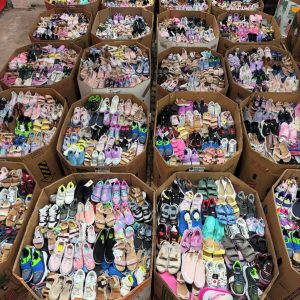
Items per Pallet: 200+ Pairs Assorted Styles
Estimated Retail Value: Up To $8,000+
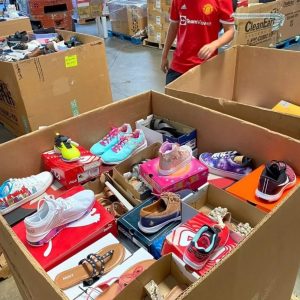
Packaging: Original Shoe Boxes, Master Cartons, Secure Freight Wrap
Distribution Agreement Required: No
Shipping Area: Fast Freight Delivery Across USA & Worldwide
Detailed Breakdown by Brand
Nike (50–70 Pairs)
Sizes: Men 7–13, Women 6–11
Note: Popular models often include Air Max, Air Force 1, Revolution, and running trainers. High resale demand year-round.
Adidas (40–60 Pairs)
Sizes: Men 7–13, Women 6–11
Note: Frequently includes Ultraboost, NMD, Superstar, and performance running shoes.
Puma (20–30 Pairs)
Sizes: Mixed adult sizes
Note: Sport lifestyle and athletic trainers with steady resale value.
New Balance (20–25 Pairs)
Sizes: Men and Women mixed
Note: Running and comfort-focused styles with strong online demand.
Skechers & Vans (30–40 Pairs)
Sizes: Adult and youth
Note: Casual, skate, and comfort footwear ideal for local marketplaces.
Example Pallet Manifest – Total: 200+ Pairs
Athletic Running Shoes: 90 Pairs
Lifestyle Sneakers: 60 Pairs
Casual & Slip-Ons: 25 Pairs
Kids & Youth Shoes: 15 Pairs
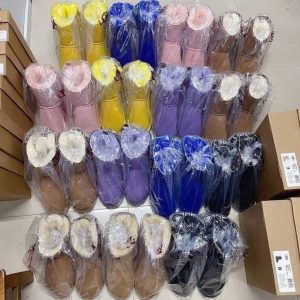
Boots & Seasonal Styles: 10+ Pairs
Perfect for resellers on eBay, Amazon, Facebook Marketplace, flea markets, and local sneaker stores. Strong profit margins due to recognizable brands and mixed size runs.
Shoe Liquidation Pallets: Wholesale Sneakers Trading
Intro
Starting a resale business often requires finding inventory at a fraction of the retail cost. Shoe liquidation pallets are considered a primary source for obtaining bulk footwear. These pallets are purchased by resellers who want to secure Nike, Adidas, and other top brands for pennies on the dollar.
Inventory is usually generated from customer returns, shelf pulls, or overstock merchandise. Big-box retailers must clear this space to make room for new models. This creates a massive opportunity for entrepreneurs to step in.
Buying in bulk allows for higher profit margins compared to buying single pairs. However, understanding the condition of the shoes is vital for success. The market is competitive, but the volume of available goods is high.
Key takeaways
-
Source Inventory: Pallets are sourced from retailer overstock and customer returns.
-
Understand Conditions: Shoes range from brand new in the box to heavily used.
-
Calculate Costs: Shipping fees must be factored into your total investment.
-
Verify Manifests: Manifested pallets offer lower risk than mystery boxes.
-
Check Authenticity: Always inspect high-value brands for legitimacy.
-
Platform Choice: Selling on Amazon requires different standards than eBay.
-
Avoid Scams: Payment security is prioritized when dealing with new suppliers.
Shoe Liquidation Pallets
Shoe liquidation pallets are large shipments of footwear sold in bulk to the secondary market. Retailers bundle these shoes onto wooden skids (pallets) when they can no longer be sold as new in primary stores. This inventory is moved to clear warehouse space.
Retailers liquidate shoes for three main reasons: customer returns, seasonal clearance, and shelf pulls. Returns are items sent back by buyers, sometimes worn and sometimes not. Seasonal clearance involves winter boots sold in summer or outdated styles.
The variety included in these pallets is extensive. You might find high-performance running sneakers mixed with casual dress shoes. Athletic brands are the most common, but boots and sandals are also included.
Resellers are attracted to this model because the cost per unit is low. A pair of shoes that retails for $100 might be acquired for $15. This price difference allows for significant profit, even after accounting for seller fees.
What Are The Most Common Types Of Shoe Liquidation Pallets?
There are two primary types of pallets: manifested and unmanifested. A manifested pallet comes with a detailed list of every shoe, size, and condition included. An unmanifested pallet is often called a “blind” or “mystery” pallet.
Manifested pallets are sold at a higher price because the risk is lower. You know exactly what you are buying. Unmanifested pallets are cheaper but carry a high risk of receiving damaged or unsellable inventory.
Pallet sizes vary by supplier and shipping method. A standard pallet typically holds between 100 to 200 pairs of shoes. The boxes are stacked high and shrink-wrapped for stability during transport.
Table 1: Manifested vs. Unmanifested Pallets
| Feature | Manifested Pallets | Unmanifested (Blind) Pallets |
| Inventory List | Provided in detail (Size, Brand, Model) | No list provided |
| Cost | Higher (15-25% of Retail) | Lower (5-10% of Retail) |
| Risk Level | Low | High |
| Best For | Beginners and specific niche sellers | Experienced bulk buyers |
| Profit Potential | Consistent and calculable | “Hit or Miss” (High variance) |
Athletic sneakers are sold fastest in the resale market. Brands like Nike and Jordan are always in demand. Work boots and comfort shoes also have a steady, albeit slower, following.
Where Can You Buy Shoe Liquidation Pallets?
Shoe liquidation pallets are purchased from wholesale marketplaces, direct liquidation companies, and online auctions. Major platforms serve as middlemen between large retailers and small buyers.
Local suppliers are different from online platforms. Buying locally saves money on shipping, which is a major expense. You can also inspect the goods in person before money changes hands.
Online platforms offer a wider variety but require trust. Shipping costs are added to the final bid price. Trusted suppliers should always be contacted to ensure you are getting the high-demand shoes you expect.
What Are The Best Shoe Liquidation Pallets For Maximum Profit?
Pallets containing popular athletic brands like Nike, Adidas, and New Balance are recognized as the best for profit. These brands have immediate name recognition. Customers are actively searching for these styles on eBay and Poshmark.
Brand-name pallets yield higher margins because the retail value is high. A single pair of Jordans can cover the cost of twenty pairs of generic shoes. The demand for branded sneakers is consistent year-round.
Undervalued pallets are often spotted by looking for “off-season” goods. Buying winter boots in July is a smart strategy. The competition is lower, driving the auction price down, but the value returns when winter arrives.
How Much Do Shoe Liquidation Pallets Cost?
The cost of shoe liquidation pallets varies significantly based on quantity and quality. A small pallet of customer returns might cost $300 to $500. A large, manifested pallet of premium sneakers can range from $2,000 to $5,000.
Factors affecting cost include the brand mix and the condition of the shoes. New-in-box items are priced highest. “Salvage” or “Grade C” shoes are sold for pennies but require repair.
Table 2: Estimated Cost Breakdown by Pallet Size
| Pallet Size | Approx. Pair Count | Low-End Cost (Returns) | High-End Cost (Shelf Pulls) |
| Small Lot | 25 – 50 pairs | $150 – $300 | $500 – $800 |
| Standard Pallet | 100 – 150 pairs | $600 – $1,000 | $1,500 – $3,000 |
| Truckload | 20+ Pallets | $10,000+ | $30,000+ |
Shipping and handling fees are additional costs that must be considered. Freight shipping for a single pallet can cost between $200 and $500 depending on distance. This expense is deducted from your potential profit.
Are Shoe Liquidation Pallets Worth Buying?
Yes, shoe liquidation pallets are worth buying if you have the time to process inventory. The profitability is driven by the low acquisition cost. However, the work required to list and ship individual pairs is substantial.
Risks are involved, especially with customer returns. Some shoes may be mismatched or worn out. Market demand for specific styles can also fluctuate, leaving you with dead stock.
New-in-box pallets are compared favorably against used pallets. New items list faster because no cleaning is required. Beginners are suggested to start with small lots to test the market before committing to a full pallet.
How Do Nike Shoe Liquidation Pallets Differ From General Pallets?
Nike pallets are generally more expensive than mixed-brand pallets. The resale value of Nike shoes is maintained better than almost any other footwear brand. Resellers are willing to pay a premium because the sell-through rate is faster.
These pallets are typically sourced from major sporting goods retailers or direct Nike clearance channels. They are highly contested in online auctions.
Demand trends for Nike are focused on Air Force 1s, Air Max, and Jordans. Even used Nikes are sold for good prices if they are cleaned properly. This specific demand makes them a safer bet for many resellers.
Can You Make Money Selling Shoe Liquidation Pallets On Amazon?
Yes, but selling liquidation shoes on Amazon is difficult due to strict condition guidelines. Amazon customers expect “New” items to be pristine. Selling returns as “New” can lead to account suspension.
The Amazon resale process involves “FBA” (Fulfillment by Amazon) or “FBM” (Fulfillment by Merchant). FBA fees are deducted from your margin. Competition on popular shoe listings is fierce, often driving prices down (the “race to the bottom”).
Product listing accuracy is enforced strictly. If the box is damaged, the item cannot be sold as new. Visibility is maximized by using competitive pricing and ensuring your seller metrics remain high.
How Do Amazon Return Shoe Pallets Work?
Amazon return pallets are bundles of footwear returned by Amazon customers. These are sold by liquidation companies that partner with Amazon. The inventory is unpredictable.
Condition categories are crucial to understand. “New” means the item is perfect. “Used – Like New” means the box might be opened. “Damaged” or “Salvage” implies the shoe is unsellable on the main platform.
Table 3: Amazon Shoe Condition Grades
| Condition Grade | Description | Ideal Resale Platform |
| New / Overstock | Pristine item, sealed box. | Amazon, StockX, GOAT |
| Like New / Open Box | Customer opened, barely touched. | eBay, Mercari |
| Used – Good | Signs of wear, dirty soles. | Poshmark, eBay, Flea Markets |
| Salvage / Damaged | Ripped, separated soles, mismatched. | Donation, Recycling, Repair |
Profitability is evaluated by checking the manifest against Amazon’s current “Buy Box” price. It is assumed that 10-20% of a return pallet will be trash (unsellable). This loss must be factored in.
What Is The Best Way To Inspect Shoe Liquidation Pallets?
The best way to inspect pallets is to handle every single pair immediately upon arrival. Damages are checked for first. Missing insoles or laces are common issues.
Authenticity is verified by checking the manufacturing tags inside the shoe. Tools such as UV blacklights are used by resellers to spot fake sneakers or hidden stains.
Inventory is documented for resale efficiency. Photos are taken of the soles, heels, and size tags. A spreadsheet is used to track the cost per pair versus the sold price.
How Do Shoe Liquidation Pallets Affect Retail Markets?
Shoe liquidation pallets affect retail markets by providing a secondary lifecycle for products. Bulk liquidation prevents massive amounts of inventory from filling landfills. This process supports the circular economy.
Research indicates that effective reverse logistics (returns management) is essential for retail sustainability.
Opportunities are created for small business entrepreneurs. A single pallet can launch a full-time eBay store. Pricing on the secondary market is often 30-50% lower than retail, which pressures retailers to remain competitive.
Seasonal effects are observed. In January, a flood of returned holiday gifts hits the liquidation market. This is known as the best time to buy inventory.
How Can You Avoid Fraud When Buying Shoe Liquidation Pallets?
Common scams in online liquidation include fake websites and wire-transfer fraud. Scammers create professional-looking sites that sell pallets for unrealistic prices (e.g., “100 Jordans for $200”).
Table 4: Fraud Detection Checklist
| Red Flag | Explanation | Action |
| Wire Transfer Only | Seller refuses credit cards or PayPal. | Do not proceed. |
| Price Too Good | 90% off retail for premium brands. | Likely a scam. |
| No Contact Info | No physical address or phone number. | Verify business registration. |
| Stock Photos | Only uses generic images from Google. | Request custom photos with a timestamp. |
Supplier credibility is verified by checking independent reviews. Payment safety is practiced by using credit cards that offer fraud protection. Policies regarding returns should be read, though most liquidation is “as-is.
The Federal Trade Commission provides resources on how to spot and avoid online shopping scams.
What Types Of Shoes Are Most Profitable In Liquidation Pallets?
High-demand brands like Jordan, Yeezy (Adidas), and Hoka are the most profitable. These specific styles retain value even when used. Limited-edition releases are rare in pallets but are considered “jackpot” finds.
Seasonal trends dictate profitability. Sandals are sold quickly in spring. Heavy boots are prioritized in autumn.
Inventory is prioritized for resale based on condition. The best shoes are listed first to recoup the initial investment quickly. Slower-moving items are discounted later.
How Do You Price Shoes From Liquidation Pallets For Resale?
Prices are calculated by researching the current “Sold” listings on eBay or Poshmark. Retail price is rarely achieved for liquidation items. Resale price is typically 50-70% of retail for new items.
Table 5: Resale Pricing Strategy
| Item Condition | Target Resale Price (% of Retail) | Example (Retail $100) |
| New In Box | 70% – 85% | Sell for $70 – $85 |
| New Without Box | 50% – 65% | Sell for $50 – $65 |
| Used – Excellent | 40% – 50% | Sell for $40 – $50 |
| Used – Fair | 20% – 30% | Sell for $20 – $30 |
Shipping fees and platform fees are factored in. If a platform takes 15%, the price must be adjusted upward. Competitive pricing is achieved by undercutting the lowest current listing by a small amount.
The U.S. Small Business Administration offers guides on pricing strategies and inventory management.
How Do You Store And Manage Shoe Liquidation Pallets?
Warehouse or dedicated home storage is required for bulk shoes. A garage or basement is often used by beginners. Shoes are sensitive to moisture and temperature.
Labeling is done immediately. Boxes are marked with a SKU number that corresponds to the online listing. Organization is maintained by grouping shoes by brand or size.
Space is optimized by stacking boxes safely. Heavy boots are placed at the bottom. Safety is ensured by keeping walkways clear of debris.
Proper disposal of textile waste is important for unsold items.
Frequently Asked Questions About Shoe Liquidation Pallets
What Are Shoe Liquidation Pallets And How Do They Work For Resellers?
Shoe liquidation pallets are bulk shipments of footwear sold at a discount. They work for resellers by providing a large volume of inventory at a low cost per unit, allowing for profitable individual sales.
How Do Manifested And Mystery Shoe Pallets Compare In Profit And Risk?
Manifested pallets have lower risk and calculable profit because the contents are known. Mystery pallets carry high risk with unknown contents but offer the potential for higher profit margins if valuable items are found unexpectedly.

Reviews
There are no reviews yet.