Buy Pet Supplies Liquidation Pallets For Sale (200+ Items From $549)
$549.00
Product Short Description Block
Current Price: From $549 Per Pallet
Status: In Stock – Ready To Ship
Seller: Verified U.S. Pet Supplies Liquidation Supplier
Source: Major Retailer Overstock, Shelf Pulls & Customer Returns
Condition: Mixed – New In Box, Like-New, and Light Customer Returns
Brands Included: Kong, Nylabone, PetSafe, Outward Hound, ChuckIt!, Hartz and More
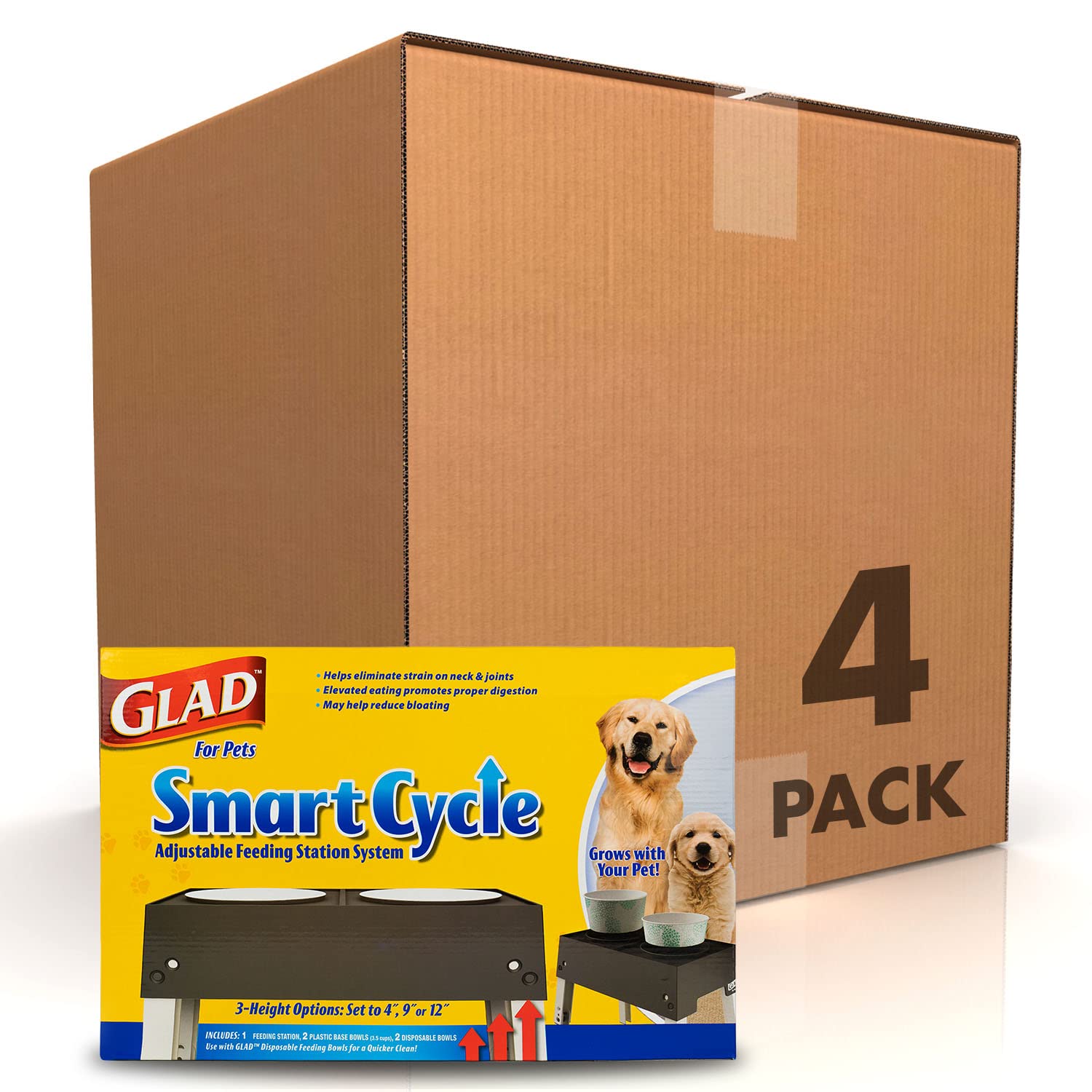
Sizes: Assorted Sizes for Small, Medium, and Large Dogs and Cats
Items per Pallet: 200+ Items Assorted Styles
Estimated Retail Value: Up To $2,800+
Packaging: Original Packaging, Poly Bags, Master Cartons, Secure Freight Wrap
Distribution Agreement Required: No
Shipping Area: Fast Freight Delivery Across USA & Worldwide
Important: This is a premium pet supplies liquidation pallets offering designed for maximum resale variety.
Detailed Breakdown By Brand Or Category
Kong (40 to 50 Items) Sizes: XS to XL (Classic, Puppy, Senior) – Note: Includes classic rubber chew toys, treat-dispensing balls, and fetch toys. These are high-demand staples for any pet store or reseller on Amazon.
Nylabone (30 to 40 Items) Sizes: Puppy to Power Chew – Note: Contains flavored chew toys, dental chews, and edible bones. These are consistent sellers for small pet boutiques and flea market booths.
PetSafe (20 to 30 Items) Sizes: Collar sizes Small to Large – Note: Includes training collars, harnesses, and travel water bottles. These electronic and accessory items have strong resale margins on eBay and Facebook Marketplace.
Outward Hound (25 to 35 Items) Sizes: One Size to Large – Note: Features puzzle toys, hide-a-squirrel toys, and flotation vests. These are popular for boutique pet stores and online boutiques targeting enrichment.
ChuckIt! (20 to 25 Items) Sizes: Small to Large (Balls, Launchers) – Note: Includes fetch ball launchers, glow-in-the-dark balls, and replacement balls. Perfect for resellers catering to active dog owners.
Hartz (30 to 40 Items) Sizes: Assorted – Note: Contains grooming tools, shampoo, leashes, and collars. These are volume sellers for flea markets and local general stores.
Example Pallet Manifest
| Item Category | Estimated Quantity |
|---|---|
| Dog Chew Toys (Kong, Nylabone) | 55 |
| Fetch & Puzzle Toys (ChuckIt!, Outward Hound) | 40 |
| Collars, Leashes & Harnesses | 35 |
| Grooming Tools & Shampoos | 30 |
| Training Aids & Accessories (PetSafe) | 25 |
| Beds, Bowls & Travel Items | 15 |
This pallet is perfect for resellers on eBay, Amazon, Facebook Marketplace, flea markets, and local pet boutiques who want a strong mix of high-demand items with proven profit margins.
Pet Supplies Liquidation Pallets?
Pet supplies liquidation pallets are bulk lots of inventory sourced from major retailers, distributors, and manufacturers. These pallets typically contain overstock, shelf pulls, customer returns, and seasonal clearance items from the pet care section of large stores. The goods are sorted, graded, and repackaged into pallets for resale on the secondary market.
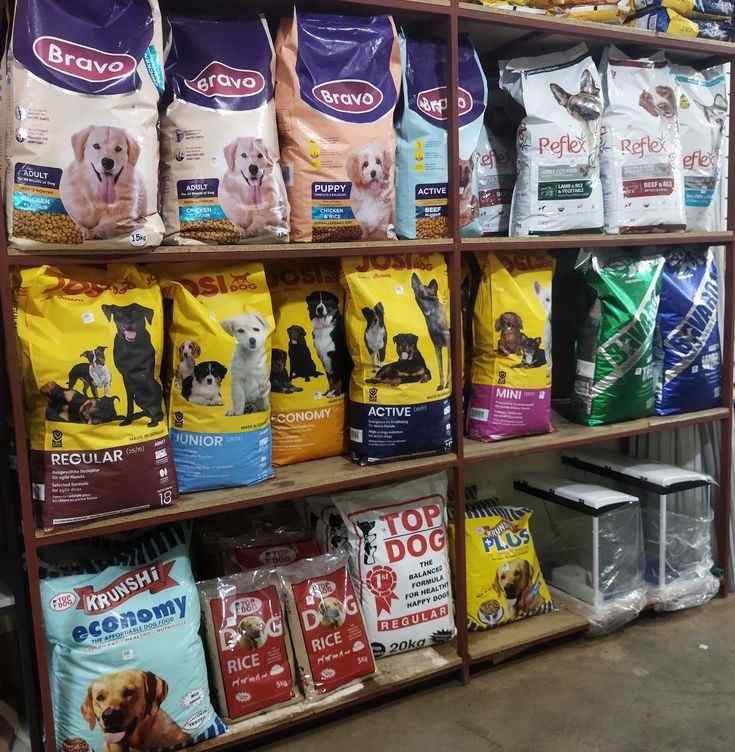
The typical pallet includes a variety of items. You will find dog toys, cat beds, leashes, collars, grooming brushes, and feeding accessories. Some pallets also include small pet supplies like hamster cages, fish tank filters, and bird toys. The brands are often recognizable names such as Kong, Nylabone, PetSafe, ChuckIt!, and Outward Hound.
Here is the important distinction. These are not damaged or unsellable goods. Most items are overstock or lightly returned products that did not sell at full retail price. Condition codes range from “New In Box” to “Like New.” Some items may have damaged packaging, but the product itself is fully functional.
Buyers purchase these pallets at a deep discount compared to wholesale or retail prices. A pallet with a retail value of $2,800 might cost between $549 and $899. The buyer then sorts, cleans, and resells individual items through their own channels for profit.
Key Takeaways
- Pet supplies liquidation pallets include overstock and returns from major retailers at a fraction of wholesale cost.
- Common buyers include online sellers, pet store owners, flea market vendors, and animal shelters.
- Profit margins are strong because pet products have consistent, non-cyclical consumer demand.
- Buyers must verify suppliers, inspect condition codes, and calculate shipping costs before purchasing.
- Mixed pallets offer the best variety for resellers targeting multiple customer segments.
Where Can You Buy Pallets Of Pet Products Online?
You can buy pet supplies liquidation pallets online through several established platforms and direct wholesale suppliers. The most common sources include liquidation marketplaces like B-Stock, Liquidation.com, and Direct Liquidation. These platforms host auctions and fixed-price listings from major retailers and third-party sellers.
Another reliable source is wholesale suppliers that specialize in pet inventory. Companies like Pet Store USA, Wholesale Pet Supplies, and Bulk Pet Supply offer direct pallet purchases. These suppliers often provide detailed manifests and condition reports before you buy. They also handle shipping and freight coordination, which simplifies the process for new buyers.
Before you buy from any vendor, take these safety steps. Check the supplier’s reputation on independent review sites and business rating platforms. Look for consistent feedback about product quality, shipping accuracy, and customer service. Avoid sellers who refuse to provide a manifest or condition report. A legitimate supplier will share details about what is inside the pallet and the condition of the items.
Shipping costs for pet supply pallets depend on weight and distance. Pallet shipping via freight carrier costs between $150 and $400 for standard delivery within the continental United States. Heavier pallets containing large bags of dog food or cat litter cost more to ship than those filled with toys and accessories. Request a shipping quote before you bid or buy to ensure the total cost still leaves room for profit.
What Is Included In A Pet Supply Wholesale Liquidation Pallets Overview?
A pallet manifest is the document that lists what is inside the lot. This document includes the total piece count, item descriptions, brand names, condition codes, and estimated retail values. A good manifest will tell you exactly how many toys, beds, collars, and grooming tools are included.
Condition codes are important to understand. They tell you the physical state of each item. Common codes include:
- Overstock: Brand new items with original packaging. These are the most profitable.
- Shelf Pulls: Items removed from store shelves because they were discontinued or seasonally replaced. Often new but may have damaged packaging.
- Customer Returns: Items returned by customers. These range from open-box but unused to lightly used. Returns require more inspection before resale.
Total piece count matters more than pallet weight when evaluating value. A pallet with 200 items at an average resale price of $15 each is worth $3,000 in potential revenue. If you paid $700 for that pallet, your gross profit is $2,300. Always calculate potential resale value based on piece count, not weight.
Who Buys Wholesale Pet Supply Liquidation Pallets For Business Use?
Several types of businesses and individuals buy wholesale pet supply liquidation pallets. Each buyer uses the inventory differently based on their sales channel and customer base.
Independent pet store owners buy these pallets to supplement their regular wholesale orders. Liquidation inventory allows them to offer discount bins and bargain tables without reducing margins on their core stock. This strategy increases foot traffic and average transaction value.
Online sellers on eBay, Amazon, and Facebook Marketplace buy pallets to source inventory at a low cost per unit. The variety of products in a mixed pallet supports multiple listings and attracts different customer segments. A single pallet might produce listings for dog toys, cat beds, grooming tools, and travel accessories.
Flea market vendors need high volume at low prices. These buyers often purchase multiple pallets at once to fill their booths with affordable merchandise. Pet products work well at flea markets because they appeal to a broad demographic and are often impulse purchases.
Animal shelters and rescue organizations also buy these pallets, though for different reasons. Shelters use the inventory for fundraising sales, adoption events, and direct distribution to foster families. The low cost allows them to stretch limited donation dollars further.
Hobby resellers who sell part-time benefit from the lower investment required. A single pallet for a few hundred dollars provides enough inventory to test a pet supply business without significant financial risk.
How Do Online Sellers Benefit From Pet Supply Liquidation Pallets?
Online sellers gain three main advantages from buying liquidation pallets. First, the cost per unit is dramatically lower than wholesale. Instead of paying $8 for a dog toy at wholesale, you might pay $1.50 per item from a liquidation pallet. That margin difference directly improves profitability.
Second, product variety helps you grow your e-commerce business faster. A mixed pallet might include 20 different product types. Each product type becomes a separate listing on your marketplace store. More listings mean more opportunities for customers to find your shop through search.
Third, liquidation inventory allows you to test new product categories without large upfront investment. If you usually sell dog collars, a mixed pallet might include cat toys and small animal accessories. You can test those categories with minimal risk before committing to larger wholesale orders.
When listing liquidation products on eBay or Poshmark, focus on accurate descriptions and clear photos. Disclose that items are from liquidation lots but emphasize they are new or like new. Price items competitively based on current market rates for similar used or open-box products.
Why Are These Pallets Perfect For Pet Store Owners?
Pet store owners face tight margins on premium branded products. Liquidation pallets solve this problem by providing inventory at a cost that allows for healthy retail markups. A dog bed that retails for $40 might cost $10 from a liquidation pallet. You can sell it for $25 and still beat your competitors’ prices while keeping a 60 percent margin.
Another benefit is inventory rotation. Pet stores that always carry the same products become predictable to customers. Liquidation pallets bring in new and unexpected items. Customers start visiting more often because they never know what new bargain they will find. This repeat traffic increases overall store sales.
Liquidation products work best as complement to your regular inventory. Keep your core stock of premium food and medications at full price. Use liquidation items for promotional displays, clearance bins, and loyalty rewards. This strategy protects your brand positioning while still capturing value-conscious shoppers.
Why Are Pet Supply Liquidation Pallets Profitable For Resellers?
Pet supply liquidation pallets are profitable because pet products have consistent, non-cyclical demand. People buy food, toys, and accessories for their pets year-round, regardless of economic conditions. This steady demand protects resellers from seasonal revenue drops that affect other categories.
Resale profit margins on pet supplies typically range from 100 to 300 percent depending on the product type and sales channel. Dog toys and accessories have the highest margins because they are low-cost items that sell quickly. Grooming tools and bedding have slightly lower margins but higher average selling prices.
Pet owners are also willing to pay for quality and brand recognition. Items from brands like Kong, Nylabone, and PetSafe hold their value on the secondary market. Resellers who list these items with accurate descriptions and good photos can command prices close to retail.
What Makes Mixed Pet Supply Pallets A Great Investment?
Mixed pallets offer product variety that single-item pallets cannot match. A mixed pallet might include toys for dogs, treats for cats, grooming brushes for both, and accessories like collars and leashes. This diversity means you can sell to multiple customer segments from a single purchase.
Variety also reduces risk. If one product category does not sell well, the others compensate. For example, if a specific brand of dog toy is slow to move, the cat beds and grooming tools in the same pallet might sell quickly. The overall investment is protected by the mix.
To maximize profit from mixed pallets, sort and grade your inventory immediately upon receipt. Separate items by category and condition. List high-value items first to recover your investment quickly. Lower-value items can be bundled or sold in lots to clear inventory faster.
Can You Make Money Reselling Wholesale Pet Food Liquidation Pallets?
Reselling pet food from liquidation pallets can be profitable, but it comes with specific requirements. Pet food regulations vary by state. Some states require sellers to have a pet food license or permit to sell food products. Check your state’s department of agriculture rules before purchasing.
Expiration dates are the most critical factor. Pet food with less than 60 days until expiration is difficult to sell at full price. Inspect every bag and can for expiration dates before listing. Discard or donate any expired or near-expired products to avoid customer complaints.
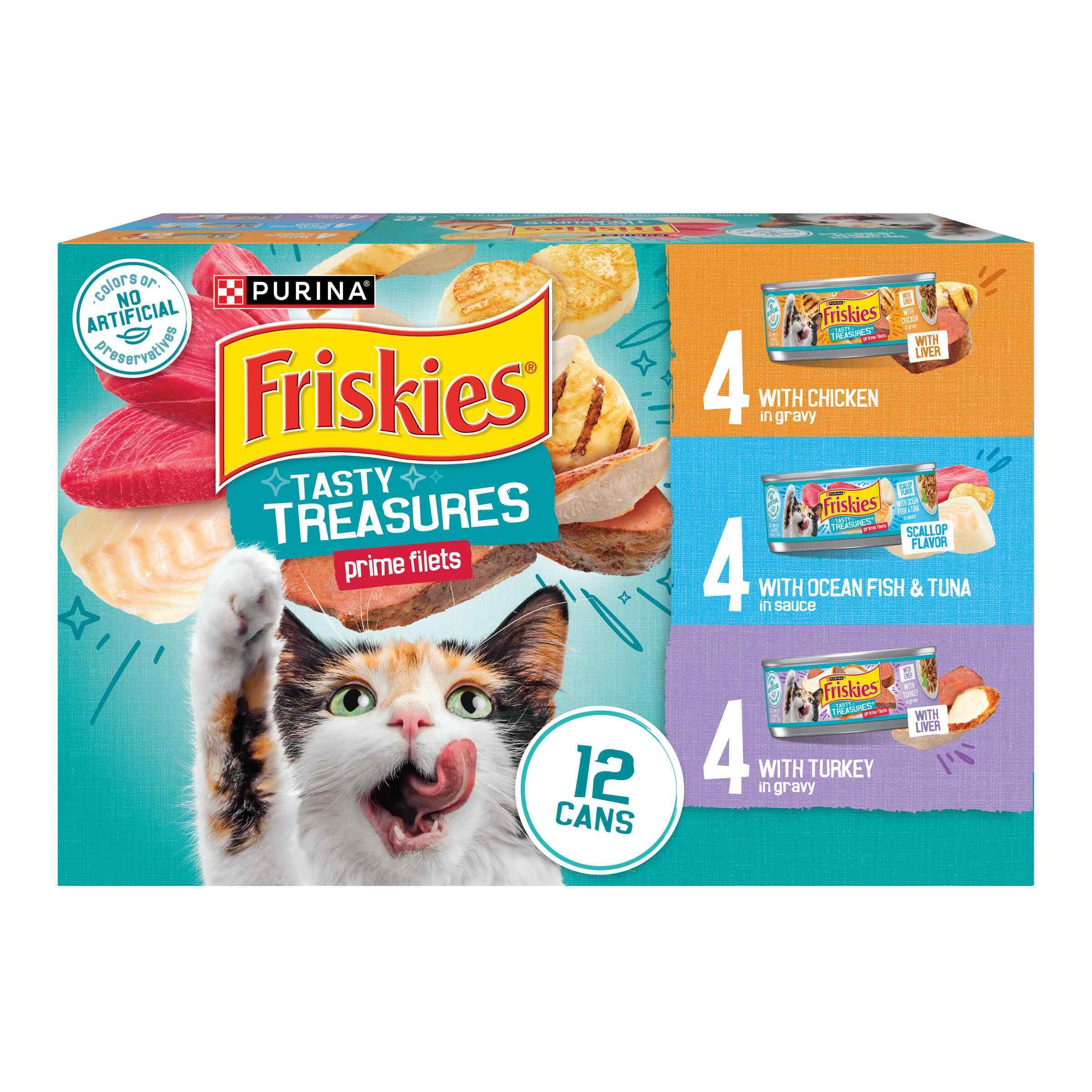
Premium pet food brands sell best. Brands like Blue Buffalo, Hill’s Science Diet, and Royal Canin have strong customer loyalty. Owners of these brands will buy from resellers if the price is significantly lower than retail. Focus on dry kibble, canned food, and freeze-dried treats for the highest demand.
How Do You Securely Buy Pet Store Liquidation Merchandise In Bulk?
Secure buying starts with supplier verification. Check that the supplier has a physical address and phone number. Verify their business registration and look for reviews on independent platforms. Avoid suppliers who only accept cryptocurrency or wire transfers as payment.
Use secure payment methods that offer buyer protection. Credit cards give you the strongest protection against fraud. PayPal offers dispute resolution for transactions that go wrong. Never pay for a pallet with a cashier’s check or money order unless you have a long-standing relationship with the supplier.
Request sample photos or a detailed manifest before committing. A reputable supplier will provide both. If a supplier refuses to share specifics about the pallet contents, consider that a red flag. Walk away and find a more transparent vendor.
Where Can You Find Liquidation Auctions For Pet Supplies?
Liquidation auctions are hosted on platforms like B-Stock, Liquidation.com, and Direct Liquidation. These sites list pallets from major retailers and allow buyers to bid on inventory. Auctions typically run for 24 to 72 hours.
The bidding process is straightforward. You register on the platform, browse available lots, and place bids. Each lot includes a manifest, estimated retail value, and condition code. Set a maximum bid based on your profit calculations and stick to it. It is easy to overpay in the excitement of a live auction.
Fees vary by platform. Most charge a buyer’s premium of 10 to 15 percent on top of the winning bid. Factor this fee into your cost calculations. A $500 winning bid becomes $575 after a 15 percent fee. Make sure your profit margin accounts for this additional cost.
How Can You Purchase Wholesale Pallets In Indianapolis?
Indianapolis is a major distribution hub for the Midwest. Several liquidation warehouses and wholesale suppliers operate in the area. Buyers who can pick up pallets locally save significantly on freight costs.
Local pickup also allows you to inspect pallets before purchase. You can check package conditions, assess product quality, and verify the manifest accuracy. Face-to-face transactions also build trust with suppliers over time.
Visit the warehouse in person if possible. Establish a relationship with the supplier. Regular buyers often receive first access to new pallets and better pricing. A personal connection can make the difference between getting the best pallets and settling for leftovers.
What Types Of Products Are Found In Grooming And Hygiene Pallets?
Grooming and hygiene pallets focus on products for pet cleanliness and appearance. Common items include shampoos, conditioners, brushes, combs, nail clippers, toothbrushes, dental chews, and pet wipes. These products sell well because pet owners use them regularly and need to restock.
These pallets are profitable because grooming products generate repeat sales. A customer who buys a bottle of dog shampoo will return in a few months for more. This repeat buying pattern creates steady demand for resellers who stock these items.
Premium grooming brands like Wahl, Chris Christensen, and Burt’s Bees for Pets have strong customer loyalty. These brands command higher resale prices and sell faster than generic products. Specialty items like de-shedding tools and hypoallergenic shampoos also have dedicated buyer segments.
How Does Dropshipping Compare To Buying Liquidation Pallets?
Dropshipping and buying liquidation pallets are two different business models with distinct advantages and tradeoffs.
Dropshipping requires no upfront inventory investment. You list products on your store, and the supplier ships directly to your customer. This model minimizes risk and eliminates storage needs. However, profit margins are thin because you pay near-retail prices to the supplier. You also have no control over inventory availability or shipping speed.
Buying liquidation pallets requires upfront capital but offers much higher margins. You own the inventory, which means you control pricing, shipping, and customer experience. The downside is you need storage space and time to sort and list products.
For most resellers, liquidation pallets offer better long-term profitability. The higher margins compensate for the extra work involved in sorting and listing. Dropshipping works best for testing new products or for sellers who lack storage space.
What Are The Best Dropshipping Partners Like Pet Stores USA And Doba?
Pet Stores USA is a dropshipping supplier that focuses exclusively on pet products. They offer a catalog of thousands of items from major brands. Their platform includes automated inventory updates and direct order routing to your store.
Doba is a general dropshipping marketplace that includes a pet supplies category. They aggregate products from multiple suppliers into one platform. Doba offers automation tools for listing and order management, but pet-specific variety is less extensive than dedicated pet suppliers.
When choosing a dropshipping partner, look for real-time inventory synchronization, fast shipping times, and responsive customer support. Test their service with a few sample orders before scaling your store. A reliable partner is essential for maintaining customer satisfaction.
Frequently Asked Questions About Pet Supplies Liquidation Pallets
What Are Pet Supplies Liquidation Pallets And How Do They Work?
Pet supplies liquidation pallets are bulk lots of inventory from major retailers. They contain overstock, returns, and shelf pulls sold at a discount. Buyers purchase the pallet, sort the items, and resell them individually through their sales channels for profit.
How Do Secure Payment Methods Work When Buying Pet Supply Liquidation Pallets?
Secure payment methods include credit cards and PayPal, which offer buyer protection. Always use a payment method that allows you to dispute charges if the shipment does not match the manifest. Avoid wire transfers and cashier’s checks for first-time purchases.
How Do I Calculate Profit Margins On A Pet Supply Liquidation Pallet Before Buying?
To calculate profit margins, start with the estimated retail value listed on the pallet manifest. Subtract your purchase price, shipping costs, and any platform fees or sales commissions. Divide the net profit by the total cost to get your margin percentage. A healthy target is a 100 to 200 percent margin after all expenses. If the numbers do not work at your maximum bid price, do not buy.
What Condition Codes Should I Look For In A Pet Supply Pallet Manifest?
Look for pallets with a high percentage of overstock and shelf pulls. Overstock means brand new items in original packaging. Shelf pulls may have damaged packaging but the product is unused. Customer returns require more inspection and carry higher risk. Avoid pallets dominated by returns or items labeled as salvage unless the price is extremely low and you have a reliable outlet for discount merchandise.
Can I Return A Pet Supply Liquidation Pallet If The Items Are Damaged?
Most liquidation sales are final and non-returnable. The buyer accepts the risk of damaged or unsellable items. Some reputable suppliers offer limited guarantees on manifest accuracy or gross misrepresentation. Always read the terms and conditions before purchasing. If a supplier offers a return policy, treat it as a strong positive signal of their reliability and confidence in their inventory.
Reviews
There are no reviews yet.