


Buy Foot Locker Liquidation Pallets For Sale (Sneakers & Apparel From $1,200)
$1,200.00
Current Price: From $1,200 Per Pallet
Status: In Stock – High Demand Inventory
Seller: Verified Foot Locker Liquidation Supplier
Source: Foot Locker Overstock, Store Returns & Shelf Pulls
Condition: Mixed – Brand New, Like-New & Customer Returns
Shoes per Pallet: 80 to 150 Pairs
Apparel Add-Ons: 50 to 120 Pieces Optional
Distribution Agreement Required: No
Shipping Area: Fast Freight Delivery Worldwide
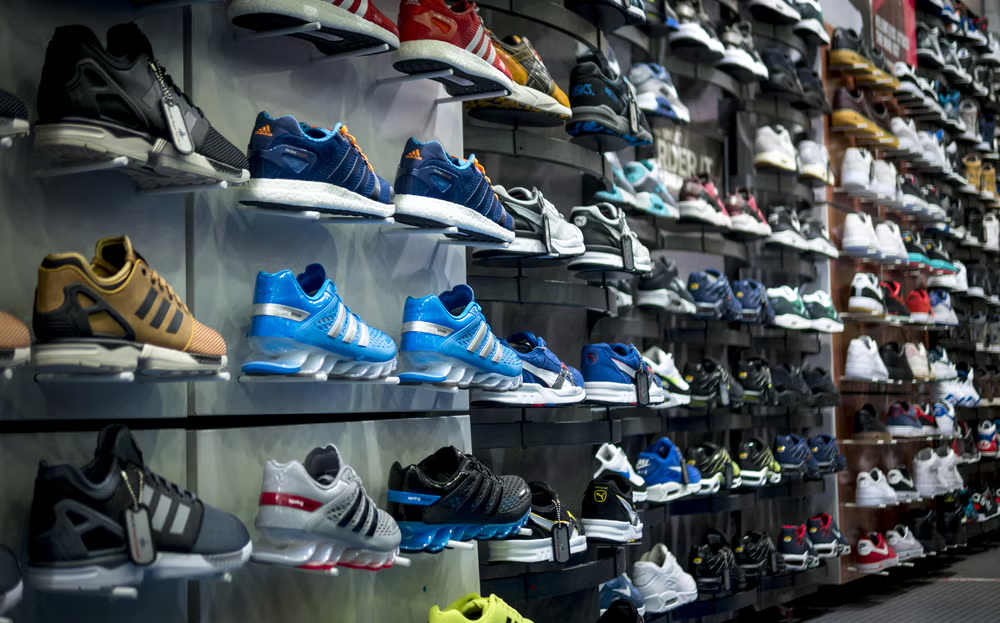
Foot Locker liquidation pallets are packed with high-demand sneakers and athletic apparel from top sportswear brands. These pallets are ideal for resellers targeting sneakerheads, online marketplaces, and local shoe boutiques. Inventory often includes limited releases, seasonal drops, and staple athletic styles with strong resale margins.
Detailed Breakdown by Brand
Nike (40 to 60 Pairs)
Sizes: Men’s 7 to 13, Women’s 6 to 10
Note: Common models include Air Force 1, Air Max, Dunk Low, and basketball performance shoes.
Jordan (15 to 30 Pairs)
Sizes: Men’s 8 to 13
Note: May include Retro editions and team Jordans with high resale value.
Adidas (15 to 25 Pairs)
Sizes: Men’s 7 to 12
Note: Popular lines such as Ultraboost, NMD, and Superstar.
Puma & Under Armour (10 to 20 Pairs Combined)
Sizes: Mixed adult sizing
Note: Performance trainers, running shoes, and lifestyle sneakers.
New Balance (5 to 15 Pairs)
Sizes: Mixed
Note: Classic 574 and performance running models.
Example Distribution – Total: 120 Pairs + 80 Apparel Items
Athletic Sneakers (Approx. 90 Pairs)
Nike: 45 pairs
Adidas: 20 pairs
Jordan: 15 pairs
Puma: 10 pairs
Casual & Lifestyle Shoes (Approx. 30 Pairs)
New Balance: 10 pairs
Under Armour: 10 pairs
Mixed brands: 10 pairs
Apparel (Approx. 80 Pieces)
Nike Dri-FIT Shirts: 25
Adidas Hoodies: 15
Jordan Shorts: 10
Under Armour Compression Gear: 15
Mixed Caps & Accessories: 15
These pallets are ideal for resale on eBay, Amazon, Facebook Marketplace, sneaker consignment shops, and local retail stores. Foot Locker merchandise carries strong brand recognition and steady consumer demand year-round.
Estimated Retail Value: Up to $12,000 Per Pallet
Profit Potential: High Margins for Online & Storefront Resellers
Packaging: Securely Wrapped & Palletized for Freight
Return Policy: Sold As-Is – Buyer Protection Available
Foot Locker Liquidation Pallets: Branded Inventory
Intro
Finding a reliable source for branded sneakers is the hardest part of the resale business. Most beginners look for foot locker liquidation pallets because they want access to Nike, Jordan, and Adidas inventory without paying retail prices. These pallets are not sold in stores. They are sold through specific auction marketplaces designed for business buyers.
This guide is written to help you navigate the complex world of liquidation. You will learn how the official Foot Locker B-Stock marketplace works. We will also cover the risks of buying unverified pallets. The goal is to help you secure inventory that actually makes a profit.
Key Takeaways
-
Official pallets are sold via the B-Stock sourcing network.
-
A valid reseller certificate is required to register.
-
Auctions are binding, and bids cannot be canceled once placed.
-
Shipping costs are the responsibility of the buyer and can be high.
-
Manifests should be downloaded and analyzed before bidding.
-
Condition grades vary from brand new to customer returns.
-
Third-party websites often mark up pallets bought from B-Stock.
-
Returns are generally not accepted in the liquidation market.
Foot Locker Liquidation Pallets
Foot locker liquidation pallets are bulk bundles of footwear and apparel that have been removed from standard retail circulation. These goods are grouped onto wooden skids and sold to the highest bidder. This inventory exists because large retailers must clear space for new stock.
Liquidation is different from standard retail purchasing because you cannot choose specific sizes or colors. You are buying a mixed lot. The inventory is sold “as is,” which means you take the risk on the condition of the boxes and the shoes.
The resale potential is high because the cost per unit is low. Buyers who source these pallets can often acquire sneakers for 30% to 40% of the original sticker price. This allows for healthy margins when selling on platforms like StockX, GOAT, or eBay.
If you are looking to scale your business, sourcing pallets is a proven strategy. It allows you to buy hundreds of pairs at once. This saves time compared to hunting for single pairs at outlet malls.
What Is Foot Locker As A Brand And Why Does It Matter For Liquidation Buyers?
Foot Locker is a global leader in sneaker and sportswear retail. The brand is known for carrying high-demand products from top manufacturers. For a liquidation buyer, this reputation is critical. It ensures that the pallets contain recognized brands rather than generic items.
Brand trust is a major factor in resale value. When you sell a sneaker that originated from Foot Locker, the authenticity is rarely questioned. This makes it easier to list items on strict platforms that require proof of origin.
The demand for these products remains high even in the secondary market. Liquidation value is driven by consumer desire. Since Foot Locker sells culturally relevant footwear, the items found in these pallets usually have an existing customer base.
What Products Are Typically Sold By Foot Locker Outside Of Liquidation Pallets?
Retail product searches are focused on the newest releases. Customers visit Foot Locker for the latest Jordan Retro drops, exclusive Nike colorways, and performance running shoes. These items are sold at full retail price and are in perfect condition.
Popular categories include basketball shoes, casual lifestyle sneakers, and athletic apparel. Hoodies, joggers, and graphic tees are also common. These items are highly desirable when they are first released.
These products appear in liquidation streams later for several reasons. Some are returned by customers. Others are shelf pulls that did not sell out during the season. Eventually, these goods are moved to liquidation to free up warehouse space.
Why Do Buyers Search For Foot Locker Liquidation Pallets Specifically?
Buyers search for these pallets to secure better profit margins. The primary motivation is the difference between the auction price and the resale value. Buying in bulk lowers the cost per unit significantly compared to retail arbitrage.
Pallet buying is more scalable than individual unit sourcing. Sourcing one pair at a time limits your growth. A single pallet can provide weeks of inventory. This allows resellers to focus on listing and shipping rather than constant sourcing.
If you are serious about reselling, this method provides consistent inventory. It transforms a side hustle into a volume-based business. The ability to move large quantities of stock is what separates professional resellers from hobbyists.
How Does Foot Locker Officially Sell Liquidation Pallets Through B-Stock?
Foot Locker partners with B-Stock Solutions to manage their liquidation inventory. B-Stock is a technology company that operates private marketplaces for large retailers. This partnership ensures a transparent and competitive environment for selling excess inventory.
The purchasing model is based on auctions. There is no fixed price for a pallet. Buyers place bids against each other, and the highest bid wins the lot. This dynamic pricing means popular pallets can become expensive quickly.
This marketplace is restricted to business buyers. You cannot purchase officially if you are just an individual without business documentation. This ensures that the inventory is sold to legitimate resellers who understand the tax implications.
How Do You Register As A Buyer On The Foot Locker B-Stock Marketplace?
Registration requires submitting an application through the B-Stock portal. You must provide valid contact information and details about your business. The approval process is not immediate and is vetted by the marketplace administrators.
Documentation is the most important part of approval. You are required to upload a valid resale certificate or sales tax exemption document. This proves you are a business purchasing for resale, not a consumer avoiding sales tax.
How Do Auctions Work When Buying Foot Locker Liquidation Pallets?
Auctions typically run for a few days. Bids are entered in specific increments. If a bid is placed in the final minutes, the auction timer is often extended to prevent “sniping.” This gives all buyers a fair chance to react.
Pricing variability is determined by the manifest. A pallet full of high-heat Jordans will attract more bidders than a pallet of slides. Competition is fierce, so it is vital to set a maximum bid limit before you start.
What Happens After You Win A Foot Locker Liquidation Pallet Auction?
Payment is required almost immediately after winning. Wire transfers are the most common payment method for large amounts. If payment is not received within the window, your account can be suspended.
Shipping is arranged by the buyer or through the marketplace’s logistics partners. You are responsible for the freight cost. It is important to have a loading dock or request a liftgate service if you are delivering to a residential address.
What Alternative Platforms Sell Footwear Liquidation Pallets Besides Foot Locker?
Third-party liquidation platforms also sell sneaker pallets. Websites like Liquidation.com, Bulq, and smaller private wholesalers offer similar inventory. These platforms may source their goods from various retailers, not just Foot Locker.
Inventory sourcing on these sites differs from direct sales. A third-party seller has likely already purchased the pallet, sorted it, and is reselling it to you. This often means the “cherry-picking” risk is higher.
The risk profile is different. Buying direct from the Foot Locker B-Stock marketplace ensures the manifest is generated by the retailer. Buying from a middleman increases the chance that the best items have been removed.
Table 1: Liquidation Buying Channels
| Channel Type | Access Requirement | Price Level | Risk of “Cherry Picking” |
| Direct B-Stock | Reseller Certificate | Market/Auction | Low (Retailer Direct) |
| Tier 1 Platforms | Public/Registration | Fixed/Auction | Medium |
| Local Wholesaler | Public | Mark-up | High |
| Facebook/Craigslist | Public | Negotiable | Very High |
| Bin Stores | Public | Flat Rate | Extreme |
What Are The Biggest Risks When Buying Foot Locker Liquidation Pallets?
Manifest reliability is the biggest technical risk. While B-Stock is reputable, mistakes happen. A manifest might list a size 10 but the box contains a size 8. Sometimes shoes are mismatched or missing entirely.
Condition variability is a major concern. “Customer Returns” can mean anything from a brand new shoe in a damaged box to a shoe that has been worn for a month. Grading is subjective.
Resale risk occurs when the market is flooded. If Foot Locker liquidates thousands of pairs of a specific ugly colorway, the market value for that shoe drops. You might be stuck with inventory that takes months to sell.
If you are protecting your capital, due diligence is required. Always assume a percentage of the product will be unsellable trash.
How Much Do Foot Locker Liquidation Pallets Typically Cost?
Pricing ranges from $1,000 to over $10,000 per pallet. The wide range depends entirely on the quantity of pairs and the desirability of the brands included. A pallet of 50 pairs of elite basketball shoes will cost far more than 100 pairs of generic clearance items.
Auction dynamics push prices up. When many resellers recognize a profitable manifest, the bidding war escalates. The final cost is often determined by how thin the winner is willing to cut their margins.
Table 2: Estimated Cost Breakdown Per Pallet
| Cost Factor | Estimated Amount | Note |
| Winning Bid | $2,500 – $5,000 | Varies by manifest quality. |
| Buyer’s Premium | 10% – 15% | Added by the auction platform. |
| Freight Shipping | $300 – $800 | Depends on distance/weight. |
| Liftgate Service | $50 – $100 | Required for residential delivery. |
| Total Landed Cost | **$3,135 – $6,490** | Always calculate this total. |
How Much Profit Can You Make From A Foot Locker Liquidation Pallet?
Profit margins usually fall between 20% and 50%. This variable depends on your ability to clean, photograph, and list items effectively. Selling on platforms with lower fees can increase this margin.
Pricing strategy is key. Quick sales often require undercutting the lowest price on StockX. If you hold out for maximum value, your capital is tied up longer. Successful resellers balance fast flips with long-term holds.
Which Liquidation Pallets Are Actually Worth Buying For Resale?
High-quality manifests are the only ones worth buying. You must evaluate the brand mix carefully. A pallet that is 80% Nike and Jordan is generally a safer bet than one filled with private label brands.
Product demand must be analyzed. Use tools like eBay sold listings to check the velocity of the items on the manifest. If the shoes are selling daily, the pallet is a good investment.
Table 3: Pallet Evaluation Checklist
| Evaluation Criteria | Good Sign | Warning Sign |
| Brand Mix | >70% Nike/Jordan/Adidas | High % of unknown brands |
| Condition Grade | New / Box Damage | Salvage / C-Grade |
| Manifest Detail | Full UPC & Model Names | Generic descriptions (e.g., “Mens Shoe”) |
| Lot Size | manageable (50-150 units) | Too small (shipping kills profit) |
| Seasonality | Boots in Winter / Sandals in Summer | Off-season inventory |
What Makes A Liquidation Website Legitimate Or Risky?
Trust indicators include clear contact information and transparent policies. Legitimate sites provide detailed manifests and do not hide their physical address. They are often linked directly from the retailer’s corporate page.
Red flags include prices that are too good to be true. If a site is selling “Premium Nike Pallets” for $200, it is likely a scam. Unknown sellers on social media requesting payment via “Friends and Family” methods should be avoided.
Verified platforms offer buyer protection or dispute resolution. Unknown sellers offer zero recourse if the pallet never arrives.
Can You Get Pallets For Free Or Start Liquidation With No Money?
No. Misconceptions about free pallets are common but false. Retailers do not give away inventory that has value. Even damaged inventory is sold to recyclers or consolidators.
Realistic entry strategies for beginners involve starting small. You do not need to buy a pallet immediately. Start by sourcing from local outlets or thrift stores to build capital. Once you have saved $2,000 to $3,000, you can attempt your first pallet purchase.
Are There Legal Risks When Acquiring Or Selling Pallets?
Pallet ownership laws are straightforward. Once you pay and receive the goods, they are yours. However, you must ensure you are not selling counterfeit goods. Buying direct from Foot Locker mitigates this, but you are still responsible for what you sell.
Restricted brands can be an issue. Some brands aggressively protect their distribution channels. While the First Sale Doctrine generally protects your right to resell, some platforms may restrict you from listing certain brands as “New” without being an authorized dealer.
How Long Do Pallets Last And Does Condition Affect Resale?
Pallets are durable but the cardboard boxes inside are not. Structural wear happens during shipping. A pallet that travels across the country may arrive with crushed corners. This affects the value because “Box Damage” shoes sell for less than pristine boxes.
Logistics are impacted by condition. If a pallet is leaning or broken, the freight carrier may refuse to deliver it curbside. You might have to manually unload boxes from the truck, which is time-consuming.
Table 4: Condition Grading Impact
| Grade | Description | Resale Value Impact |
| New / Overstock | Never worn, original packaging. | 100% of Market Value |
| Box Damage | Shoes new, box crushed/torn. | 80-90% of Market Value |
| Customer Returns | Tried on, minor wear, debris. | 50-70% of Market Value |
| Worn / Used | Visible usage, tread wear. | 30-50% of Market Value |
| Mismatched | Two different sizes or sides. | Near Zero (Parts only) |
What Is Inside A Foot Locker Liquidation Pallet?
Common products include sneakers, slides, cleats, and apparel. You will find a mix of men’s, women’s, and children’s sizes. The assortment is random.
Condition categories are strictly defined on the manifest. You will see terms like “Shelf Pulls” or “Returns.” Assortments are rarely uniform. You might get 10 pairs of the same shoe in the same size, or 100 completely different items.
Frequently Asked Questions About foot locker liquidation pallets
What Are Foot Locker Liquidation Pallets And How Do They Work For Resellers?
Foot Locker liquidation pallets are bulk collections of unsold or returned inventory sold via auction. They work by allowing resellers to purchase stock at a fraction of the retail cost. Resellers then sort, clean, and sell the items individually for a profit.
Are Foot Locker Liquidation Pallets Mixed With Returns, Overstock, Or Shelf Pulls?
Yes. Most pallets are a mixture. The specific composition is listed on the manifest. It is common to see a pallet that is 80% shelf pulls (cleaner) and 20% customer returns (potentially worn).
Table 5: Resale Platform Comparison
| Platform | Best For | Fees | Speed |
| eBay | Used & Box Damage | Medium | Fast |
| StockX | Brand New (Perfect Box) | High | Medium |
| GOAT | New & Used (with photos) | Medium | Medium |
| Poshmark | Apparel & General Footwear | Fixed % | Slow |
| Local | Quick Cash / Bulk Deals | None | Instant |

Reviews
There are no reviews yet.