Buy Wholesale CVS Pallets – Starting at $850 (500–700 Items)
Original price was: $1,200.00.$850.00Current price is: $850.00.
Price: Starting at $850 per pallet (freight shipping and taxes not included)
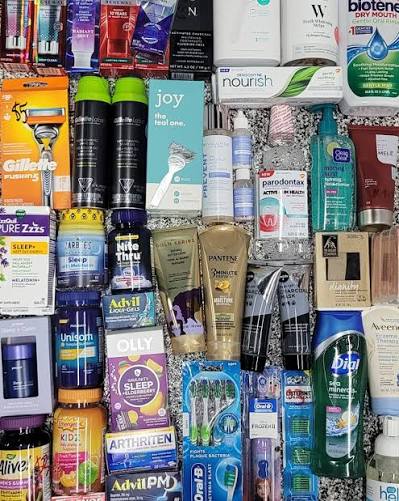
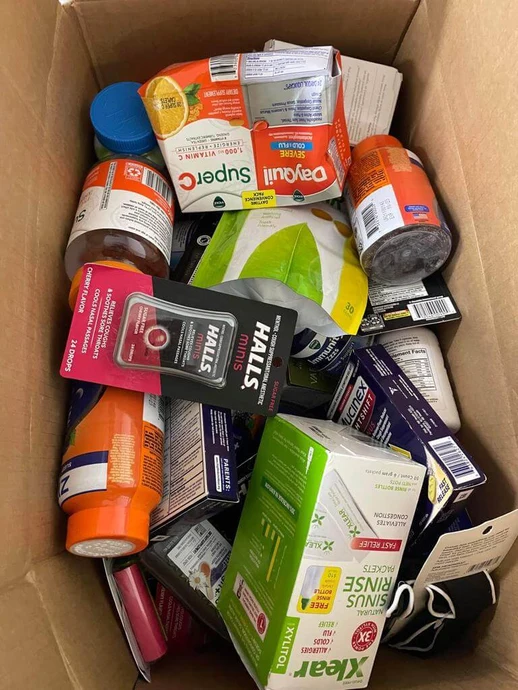
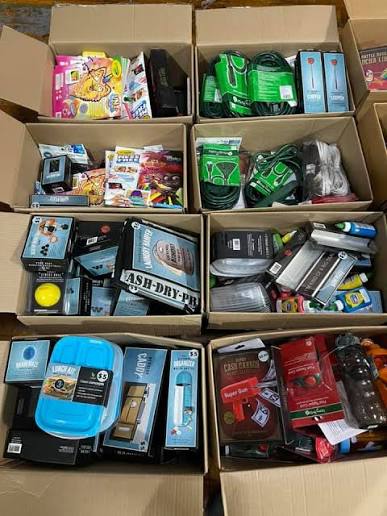
Sourced from national drugstore liquidation streams, these cvs pallets offer an assortment of health, beauty, personal care, and general shelf-pull merchandise designed for discount retailers, bin stores, flea market vendors, and e-commerce reselling operations. Pallet contents, item counts, conditions, and unit costs vary significantly based on individual store returns, closeouts, and overstock lots. Buyers are strongly encouraged to inspect the available manifest and condition disclosures for each lot prior to purchase.
Key Listing & Manifest Details
-
Starting Price: Applies to select unmanifested or base-tier manifested liquidation lots; actual lot pricing varies by category and estimated original retail value.
-
Manifest & Inventory Status: Pallets may be fully manifested (itemized unit list provided) or unmanifested (assorted bulk lot). Check the specific listing title and documentation to confirm status.
-
Items per Pallet: Typically range between 500 and 700 items per standard Gaylord box or pallet, depending on product volume and packaging size. Refer to the individual listing manifest for exact unit totals.
-
Condition Grade: Mixed customer returns, shelf pulls, overstock, and closeouts. Items may exhibit handling wear, sticker residue, damaged outer packaging, or short expiration dates.
-
Availability: Inventory changes continuously based on incoming liquidation trucks; stock must be verified at the time of order placement.
-
Resale & Distribution Rules: Buyers must comply with all local, state, and federal regulations regarding over-the-counter and cosmetic resale. Certain products may require de-labeling prior to retail sale.
-
Shipping & Pickup: Shipped via LTL commercial freight. Total delivered cost depends on destination zip code, liftgate requirements, and commercial delivery access. Local warehouse pickup options may be available upon confirmation.
Product, Pricing & Brand Disclaimer: Starting prices apply strictly to eligible lots; final delivered costs exclude LTL freight, fuel surcharges, handling fees, and applicable sales tax. Liquidation merchandise consists of uninspected overstock, shelf pulls, and customer returns; items carry no guaranteed resale value, profit margin, or functional guarantee. All third-party brand names, logos, and trademarks (including L’Oréal, Maybelline, Neutrogena, Dove, Colgate, Johnson & Johnson, and CVS Health) are the property of their respective trademark holders. Mention of these brands does not imply any direct sourcing agreement, official endorsement, or authorization from the brand owners.
How to Verify Pallet Contents Using the Manifest
-
Manifested Pallets: Include a detailed, itemized spreadsheet listing product titles, estimated unit counts, condition codes, and original estimated MSRP to assist in inventory planning.
-
Unmanifested / Assorted Lots: Sold as bulk category lots without individual itemized counts. Buyers should rely on lot photos, category descriptions, and net pallet weight to gauge lot composition.
-
Estimated Retail Value (MSRP): Provided strictly as a historical benchmark calculated from original retail shelf prices. MSRP does not reflect current secondary market pricing, actual resale value, or potential profit.
What Categories May Be Included in CVS Pallets?
-
Cosmetics and Skincare: Assorted retail-packaged foundations, lipsticks, mascaras, compacts, face creams, and cleansers.
-
Personal Care and Body Wash: Everyday bath items, including body washes, liquid hand soaps, bar soap multi-packs, lotions, and deodorants.
-
Health and Wellness OTC Items: Standard boxed OTC remedies, including pain relievers, digestive health products, allergy tablets, and first-aid supplies.
-
Hair Care and Styling Products: Standard retail bottles of shampoos, conditioners, hair sprays, gels, and leave-in treatments.
-
Oral Care and Shaving Essentials: Toothpastes, manual toothbrushes, whitening rinses, disposable razors, and shave gels.
-
First Aid and Sundries: Private-label and brand-name bandages, medical tapes, topical antiseptics, and daily home health necessities.
Contents Disclaimer: Category listings and examples above represent typical liquidations and do not guarantee specific item inclusion. Exact product assortments, brand ratios, and unit counts must be confirmed through the specific manifest accompanying the purchased lot.
Sample 700-Item Manifest Breakdown (Illustrative Example Only)
The tables below illustrate a hypothetical 700-item manifest breakdown for educational reference only. Actual product mix, quantities, and category distributions depend entirely on the specific lot purchased.
Category Sub-Tables
Cosmetics and Skincare
| Product Type | Sample Manifest Quantity |
| Assorted Lipsticks & Foundations | 100 |
| Boxed Face Creams & Cleansers | 75 |
| Category Subtotal | 175 Items |
Personal Care and Body Wash
| Product Type | Sample Manifest Quantity |
| Bottled Body Washes (12–32 oz) | 80 |
| Hand Soaps & Lotions | 60 |
| Category Subtotal | 140 Items |
Health and Wellness Over-the-Counter Products
| Product Type | Sample Manifest Quantity |
| Boxed OTC Pain & Allergy Remedies | 70 |
| Digestive Aids & Sleep Remedies | 50 |
| Category Subtotal | 120 Items |
Hair Care and Styling Products
| Product Type | Sample Manifest Quantity |
| Shampoos & Conditioners | 65 |
| Hair Styling Gels & Sprays | 40 |
| Category Subtotal | 105 Items |
Oral Care and Shaving Essentials
| Product Type | Sample Manifest Quantity |
| Toothpaste & Mouthwash Rinses | 50 |
| Manual Toothbrushes & Razors | 40 |
| Category Subtotal | 90 Items |
CVS Health Brand and First Aid Sundries
| Product Type | Sample Manifest Quantity |
| First Aid Bandages & Tapes | 40 |
| Antiseptic Liquids & Medical Accessories | 30 |
| Category Subtotal | 70 Items |
Sample Manifest Summary Table
| Merchandise Category | Sample Manifest Quantity |
| Cosmetics and Skincare | 175 Items |
| Personal Care and Body Wash | 140 Items |
| Health and Wellness OTC Products | 120 Items |
| Hair Care and Styling Products | 105 Items |
| Oral Care and Shaving Essentials | 90 Items |
| CVS Health Brand and First Aid Sundries | 70 Items |
| Sample Pallet Total | 700 Items |
Resale Compliance & Expiration Disclosures
Expiration Date & Resale Compliance: Drugstore shelf pulls and customer return lots may contain items approaching or past manufacturer expiration dates, as well as discontinued product lines. Buyers are solely responsible for inspecting all products upon receipt and ensuring that all resale channels, labeling, and OTC sales conform to local, state, federal, and platform-specific regulatory requirements.
Earnings & Profit Disclaimer: All financial figures, historical MSRP references, and category descriptions are provided for general educational purposes only. Resale gross revenue and net margins depend entirely on individual buyer marketing strategies, listing fees, freight costs, item condition, market demand, and pricing execution. No guaranteed income, profit margin, or return on investment is implied or expressed.
CVS Pallets: How Can You Purchase Liquidation Auctions Cost
CVS pallets offer wholesale access to surplus drugstore stock, including cosmetics, personal care products, discontinued items, and seasonal overstock. Sourced from national retail distribution networks, these bulk lots enable online merchants, discount store operators and local vendors to purchase consumer packaged goods at significant discounts. However, successfully purchasing liquidation freight requires an understanding of auction bidding platforms, manifest accuracy, freight logistics and product inspection standards. This guide explains how to navigate wholesale auctions, evaluate inventory manifests, calculate total landed costs and transform surplus merchandise into a reliable source of business profit.
Key Takeaways
- CVS liquidation pallets feature shelf pulls, seasonal closeouts, and surplus consumer goods aggregated from regional drugstore supply hubs.
- Legitimate purchasing requires an approved business account with an Employer Identification Number and a valid state sales tax resale certificate.
- Sourcing occurs through contracted business-to-business auction platforms and specialized wholesale distributors rather than direct consumer retail counters.
- Total acquisition cost must account for auction hammer prices, marketplace buyer premiums, LTL freight charges, and residential liftgate accessorial fees.
- Profitability depends on sorting merchandise by condition, verifying product seals, tracking expiration dates, and choosing the proper resale channels.
Cvs Pallets
CVS pallets contain overstock items, shelf pulls, seasonal surplus and store returns, all packed onto standard wooden skids. These lots originate from distribution centres and stores across the national pharmacy chain. Rather than clearing discontinued stock, updating packaging or selling seasonal goods at individual retail registers, the company consolidates this surplus into high-density freight skids. These packages are then sold on through business-to-business sales channels.
These bulk shipments are popular with inventory liquidators and independent resellers because drugstore inventory consists of everyday consumer packaged goods. Items such as body washes, branded cosmetics, oral hygiene products, hair care products and seasonal sundries experience consistent demand regardless of economic cycles. Consumers consistently look for discounted personal care essentials, helping secondary resellers to maintain fast inventory turnover.
A standard pallet measures 48 inches by 40 inches and stands between four and six feet high. The quantity of items per pallet varies widely based on product dimensions and packaging density. For example, a pallet packed with paper goods or cleaning supplies may contain 300 bulk items, whereas a high-density health and beauty pallet can contain over 1,200 individual units. Wholesale prices range from $450 to $1,400 per pallet, depending on the product category, the number of items and the clarity of the manifest.
How Can You Purchase Cvs Liquidation Pallets
In order to purchase CVS liquidation pallets, you must first establish a verified commercial profile. Corporate liquidators do not sell surplus stock directly to the general public via retail outlets. Prospective buyers must register with commercial auction exchanges as business entities. You will require a federal Employer Identification Number from the Internal Revenue Service, as well as an active sales tax resale certificate from your state tax agency. This certificate confirms that you are purchasing goods for resale and exempts the transaction from upfront sales tax.
Once you have obtained the necessary documentation, you can register with verified liquidation marketplaces that host drugstore inventory. The onboarding process involves uploading your state credentials, verifying delivery addresses and agreeing to the platform’s terms and conditions. Approval is generally granted within two business days, granting you access to bid on active auctions and buy surplus lots at the ‘buy it now’ price.
The purchasing process differs depending on whether you purchase single pallets or full truckload shipments. Purchasing individual pallets enables smaller operators to test product turnover with modest capital. Full truckloads, consisting of 24–26 pallets, require commercial loading docks, pallet jacks and larger capital reserves. However, buying by the truckload significantly reduces shipping costs per item.
Where Are Official Cvs Liquidation Auctions Held
Official CVS liquidation inventory is sold through third-party business-to-business auction networks, such as B-Stock Solutions, and certified wholesale liquidators, such as Liquidation.com. The national drugstore chain does not operate an open, in-house auction portal for walk-in consumers. Instead, CVS relies on contracted enterprise reverse logistics partners to manage and auction its surplus inventory.
These auctions ship inventory directly from contracted retail distribution centres located across the country. Major distribution facilities are located in logistics hubs throughout states such as Pennsylvania, Texas, Indiana, Georgia and California. As transportation expenses are calculated based on mileage and freight density, it is vital to select auction facilities close to your warehouse in order to control freight expenses.
Winning bidders must arrange payment quickly, usually within 48 hours via wire transfer. Once the funds have cleared, the platform will provide shipping coordination details. Buyers can either book delivery through the platform’s partner freight carriers or arrange third-party collection using standard freight transit documentation, such as a certified bill of lading.
What Should You Know Before Bidding On Cvs Pallets
Before entering an auction, calculate your maximum bid using a formula that takes into account all costs, including landed costs. Inexperienced liquidators often forget that the hammer price at auction is only part of their total expenditure. Marketplaces typically charge a buyer premium ranging from 5% to 15% on top of the winning bid.
On cross-country shipments, freight costs can equal or exceed the winning bid price. Standard less-than-truckload carriers assume that your delivery address has a commercial loading dock and a forklift. Delivering to a residential address or mini-storage facility requires accessorial services such as a liftgate truck and residential delivery notices, which incur additional costs.
Review platform seller ratings, manifest details and dispute guidelines before bidding. Surplus lots are sold on a strict as-is, where-is basis, with no returns or refunds unless there is a manifest error. You must also comply with all relevant business licensing requirements to keep your commercial wholesale account in good standing.
| Expense Category | Typical Pricing Range | Reseller Impact and Planning |
|---|---|---|
| Buyer Premium | 5% to 15% of bid | Mandatory platform fee added to invoice |
| Standard LTL Line-Haul | $200 to $650 per pallet | Varies by mileage, weight, and carrier rate |
| Liftgate Surcharge | $75 to $150 per drop | Required if no commercial dock or forklift |
| Residential Delivery | $50 to $125 per order | Added for residential or limited-access zones |
| Storage & Handling | $50 to $100 per skid | Pallet wrap, tape, cleaning, and shelf space |
Why Are Cvs Pallets A Smart Investment
CVS pallets are a practical investment for inventory liquidators because the demand for personal hygiene, beauty and wellness products is steady and ongoing. Unlike fashion items or consumer electronics, which are subject to trends and depreciate quickly, everyday essentials such as soaps, toothpaste, body lotions, and haircare treatments are in constant demand. Consumers often look for these daily items on secondary marketplaces and in discount stores, where they can purchase them below supermarket retail prices.
Purchasing inventory in pallet quantities can reduce your acquisition cost to a fraction of standard retail prices. Drugstore liquidation skids usually sell for between 12% and 26% of their original retail value. This wide spread gives resellers enough room to offer competitive discounts to customers while retaining profitable gross margins. When selling through mail-order platforms, always adhere to federal prompt delivery rules to avoid fulfilment disputes.
Listing drugstore products online is straightforward because branded consumer goods already have active Universal Product Codes. Scanning a standard barcode automatically pulls up product titles, specifications and catalogue images on e-commerce platforms, saving substantial time on data entry compared to unbranded goods.
How Much Do Cvs Pallets And Truckloads Cost
The price of individual pallets is determined by the number of items, the product range and the transparency of the manifest. A pallet containing mixed sundries from customer returns may sell at auction for between $350 and $600. In contrast, a fully manifested, pristine shelf-pull skid containing skincare and cosmetics from top brands often sells for between $1,100 and $1,800.
Although truckload purchasing requires a significantly higher capital investment, it provides the lowest unit acquisition costs. A standard 53-foot dry van can carry between 24 and 26 pallets. Dedicated liquidation truckloads generally sell for between $9,500 and $26,000, depending on the product categories involved. High-density cosmetics loads tend to be at the upper end of this range, while bulky paper products and general household chemicals tend to be at the lower end.
| Procurement Scale | Unit Piece Count | Average Price Range | Optimal Business Model |
|---|---|---|---|
| Single Pallet Skid | 350 to 950 Units | $450 to $1,400 | Home-based resellers, boutique websites |
| Quarter Truckload (6 Skids) | 2,500 to 5,500 Units | $3,000 to $6,500 | Flea market vendors, regional market stalls |
| Half Truckload (12 Skids) | 5,500 to 11,000 Units | $6,000 to $12,500 | Independent discount shops, small bin stores |
| Full Truckload (24 to 26 Skids) | 12,000 to 24,000 Units | $9,500 to $26,000 | Multi-lane bin stores, commercial wholesalers |
Buying full truckloads drastically reduces inbound freight costs per piece. Delivering a full truckload via dedicated dry van freight costs considerably less per pallet than shipping 24 separate Less-Than-Truckload deliveries. Spreading transportation costs across thousands of individual items helps protect your profit margins against shifting online retail prices.
What Pallet And Truckload Options Are Available
Liquidators base their purchasing volumes on available warehouse space, working capital and processing capacity. Single pallets are ideal for beginners as they allow them to trial their sorting operations without committing too many funds. The main disadvantage is paying higher freight charges relative to the total quantity of items received.
Multi-pallet lots, which are usually sold in sets of two, four or six pallets, are better suited to growing retail businesses. Logistics companies offer more favourable freight rates per skid for multi-pallet shipments, which reduces your average landed cost per item compared to single-pallet deliveries.
Full truckload contracts are ideal for enterprise liquidators, warehouse surplus distributors and high-volume bin store operations. A steady supply of truckloads provides fresh stock for retail shelves every week. For large-scale operations, a consistent inventory flow is more important than the risk of processing mixed-grade merchandise.
What Is Inside A Cvs Liquidation Pallet Manifest
A pallet manifest is an itemized inventory list detailing the contents of a specific liquidation lot. Generated by warehouse inventory scanners, this document provides visibility into what is inside the shrink-wrapped pallet. Reviewing the manifest helps you calculate realistic resale margins before placing an auction bid.
Standard manifest documents include the Universal Product Code, product description, brand, quantity per SKU, and original retail price. Complete manifests also note condition classifications, distinguishing between unopened shelf pulls and returned merchandise.
| Manifest Data Field | Practical Example | Strategic Analytical Function |
|---|---|---|
| Universal Product Code | 079400263124 | Verify historical sales velocity and price stability |
| Detailed Description | Dove Deep Moisture Wash 22oz | Confirm fluid volume, fragrance, and packaging |
| Manifested Item Count | 36 Units | Check for excessive inventory concentration risks |
| Listed Retail Value | $8.99 Each | Establish baseline for potential liquidation margin |
Reviewing the manifest protects buyers from unbalanced inventory lots. For example, if a manifest shows that 60% of a pallet consists of a single discontinued seasonal item with poor demand, you can adjust your maximum bid down. Sourcing manifested inventory helps you plan processing labor, research sales channels, and verify shelf life before the freight arrives.
What Brands Are Included In Cvs Pallets
CVS pallets regularly contain recognizable, nationally advertised brands that consumers purchase every day. Skincare and beauty lots frequently feature items from L’Oréal, Maybelline, CoverGirl, Neutrogena, and Revlon. Personal hygiene items usually include products from Dove, Colgate, Crest, Gillette, and Tresemme.
Pallets also include private-label CVS Health items. This store-brand inventory covers daily first-aid supplies, bandages, over-the-counter pain relievers, digestive health remedies, vitamins, and personal grooming accessories. While store-brand products have lower retail prices than national equivalents, their low wholesale cost can deliver solid profit margins in local discount stores.
Brand recognition helps speed up sales. Everyday shoppers often hesitate to buy unfamiliar, off-brand health products, but they will readily purchase familiar, sealed brand-name goods when offered at a discount.
What Is The Estimated Value Of A Full Cvs Pallet
The estimated retail value on an auction manifest reflects the total retail price of all included items when originally displayed in stores. A typical health and beauty liquidation pallet shows an estimated retail value between $3,500 and $8,000, depending on the item mix and piece count.
Experienced resellers know they cannot sell secondary inventory for 100% of its original retail price. To attract customers on secondary marketplaces, liquidation items are usually sold at a 30% to 60% discount off retail. Realistic gross recovery generally lands between 25% and 45% of the total manifest retail value.
Your actual gross margin is the difference between your total landed acquisition cost and the net revenue generated across all sales channels. Projecting conservative recovery rates protects your business from market price shifts and unsellable damaged goods.
What Is The Condition Breakdown Of Items In Cvs Pallets
Items in CVS surplus shipments fall into three main condition categories: shelf pulls, surplus stock and customer returns. Correctly identifying these grades helps you to estimate the labour required for testing, cleaning and write-offs accurately.
Shelf pulls are items that have been removed from store shelves to make way for new inventory or updated packaging. These products are typically new, complete and factory-sealed, although boxes may bear price stickers or show slight signs of shelf wear. Overstock goods are untouched, pristine items that remained in their original packaging in the warehouse without ever reaching the store display shelves.
Customer returns carry a higher risk. For hygiene and safety reasons, federal cosmetics safety guidance prohibits the resale of opened cosmetics, unsealed topical lotions or compromised personal care products. Always budget for a shrinkage rate of between 8% and 15% on mixed-condition pallets to account for unsealed items, missing parts or damaged packaging.
| Condition Grade | Typical Share of Pallet | Physical Condition | Recommended Sales Channel |
|---|---|---|---|
| Shelf Pulls | 55% to 70% | Factory-sealed with minor handling wear | Amazon, eBay, Mercari |
| Surplus Overstock | 15% to 25% | Untouched, pristine master cases | Primary retail, bundled online sets |
| Customer Returns | 10% to 20% | Opened boxes, handling wear, defects | Discount bin tables, local bundle sales |
What Color And Variety Can You Expect In Cvs Pallets
CVS pallets offer a wide range of product categories, cosmetic colours and seasonal merchandise. Cosmetics skids usually contain a variety of foundation shades, eye palettes, nail polishes and seasonal lip products. This diverse selection enables you to cater to a wide range of customer preferences, eliminating the need to stock a single, repetitive SKU.
As well as everyday personal hygiene products, these wholesale pallets feature seasonal merchandise, holiday gift sets, confectionery, reading glasses, hair accessories and small travel electronics. Shipments processed in late summer often contain sunscreens, tanning lotions and insect repellents, whereas autumn shipments tend to include cold remedies and holiday gift items.
This wide variety enables you to divide individual pallets across different sales channels. High-value cosmetics and popular skincare products can be listed individually on online marketplaces, while everyday toiletries, seasonal novelties and bulk sundries can be sold from discount bins or flea market stalls.
Should You Buy Manifested Or Unmanifested Cvs Pallets
Whether you choose manifested or unmanifested pallets depends on your available capital, processing speed and risk tolerance. Manifested pallets offer transparency in the form of an itemised spreadsheet, allowing you to calculate potential market value before bidding. However, the trade-off is higher auction competition, which drives up final sale prices.
Unmanifested pallets, on the other hand, are sold as mystery assortments with general category descriptions such as ‘Mixed Health and Beauty’. These lots are sold at steep discounts, often for a fraction of the retail price. While you might find premium skincare products, there is an equal risk of receiving slow-moving sundries or items with heavily damaged packaging.
Beginning liquidators should focus on manifested inventory in order to develop disciplined grading habits and maintain a predictable cash flow. Once you have established reliable sorting workflows and clearance channels, unmanifested lots can provide attractive profit margins.
Who Buys Cvs Liquidation Pallets
CVS liquidation pallets are purchased by a variety of operators across the secondary retail market. Discount bin store owners are a major buyer segment. These stores display unboxed inventory in large, waist-high bins and use a daily declining-price model (for example, items may be priced at $10 on Friday, $8 on Saturday and $1 on Wednesday). The compact size of drugstore sundries and small personal care items keeps bins well-stocked in this format.
Online arbitrage resellers form another significant buyer group. Using handheld barcode scanners, these merchants identify high-value skincare products, salon-grade hair treatments and speciality wellness aids on pallets to sell on online marketplaces.
Flea market vendors and independent variety shop owners also rely on drugstore surplus for a consistent supply of affordable stock. Offering familiar soaps, shampoos and over-the-counter remedies at 30% to 50% below supermarket prices attracts consistent local custom every week.
How Can You Secure Your Cvs Liquidation Pallet Today
Securing your first pallet requires clear preparation and focused execution. Start by verifying your business paperwork, ensuring your Employer Identification Number and state sales tax resale certificates are active. Prepare your receiving space with essential processing supplies: industrial box cutters, handheld barcode scanners, adhesive scrapers for removing store tags, and basic shipping materials.
Monitor active auctions across established business-to-business liquidation marketplaces. Review shipping origin locations to keep freight costs manageable, and examine manifest files to ensure the product mix fits your chosen sales channels. Always place disciplined bids that account for buyer premiums, freight delivery fees, and labor expenses.
Browse current wholesale auction listings through authorized liquidation platforms. Check the manifests, calculate your total landed costs, and submit your bids to secure profitable drugstore surplus for your business.
Frequently Asked Questions About Cvs Pallets
How Do You Start Reselling Cvs Pallets For Profit?
In order to start reselling drugstore pallets profitably, you will need to obtain a state resale certificate, register with an authorised business-to-business liquidation marketplace and research item values using manifest UPC data. Calculate your total landed costs, including buyer premiums and freight fees, before placing bids. Once your shipment arrives, sort the items into retail-ready stock for online marketplaces, as well as discounted multi-packs for local flea markets or bin store sales.
Can Anyone Purchase Cvs Liquidation Pallets From Wholesale Auctions?
No, retail consumers cannot purchase surplus pallets directly from wholesale liquidation auctions. Commercial liquidation exchanges require bidders to register as licensed businesses by submitting a federal Employer Identification Number and an active state sales tax resale certificate. These requirements confirm that transactions are tax-exempt business-to-business wholesale purchases intended for resale.
Related products
-
GENERAL MERCHANDISE
Buy Stationery Wholesale Pallets: Overstock & Returns | From $395
$395.00 Add to cart -
GENERAL MERCHANDISE
Buy Copy Paper Pallets Wholesale Lots – Office Paper (40 Cases)
$450.00 Add to cart -
GENERAL MERCHANDISE
Buy Costway Liquidation Pallets – Starting at $650 (50–150 Items)
$650.00 Add to cart



Reviews
There are no reviews yet.