Buy Amazon Return Pallets For Sale (500+ Items From $650)
$650.00
Current Price: From $650 Per Pallet
Status: In Stock – High Demand
Seller: Verified Amazon Return Liquidator USA
Source: Amazon Customer Returns & Warehouse Overstock
Condition: Mixed – Untested Returns, Like-New, Overstock
Items per Pallet: 500+ Assorted Items
Estimated Retail Value: Up To $8,000+
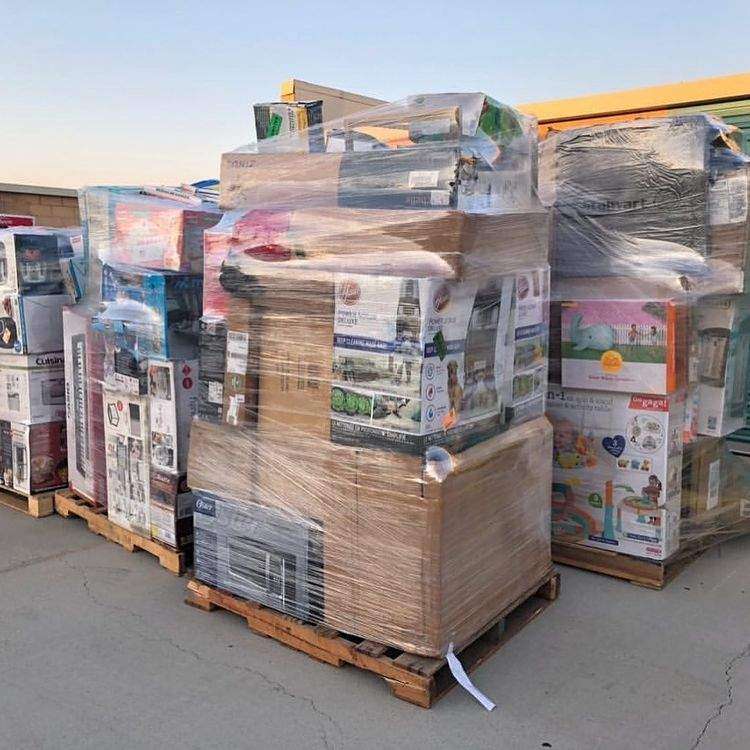
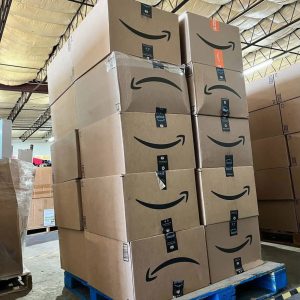
Packaging: Bulk Pallet – Shrink Wrapped & Manifest Included
Distribution Agreement Required: No
Shipping Area: Fast Freight Delivery Across USA & Worldwide
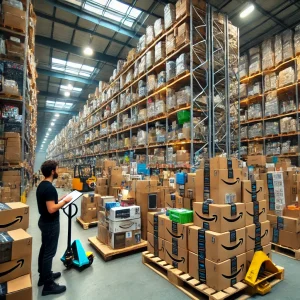
Amazon return pallets are one of the most profitable liquidation options for resellers, flea market vendors, eBay sellers, and retail store owners. These pallets contain a high-volume mix of returned and overstock merchandise pulled directly from Amazon fulfillment centers.
Detailed Breakdown by Category
Electronics (Approx. 120 Items)
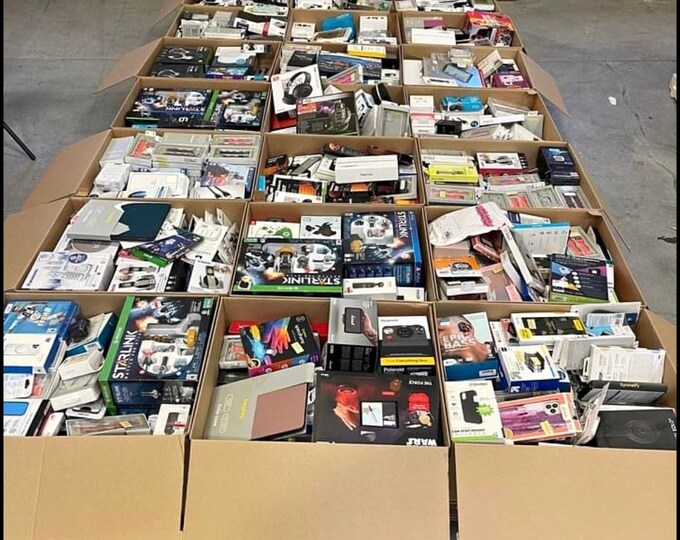
Includes headphones, small appliances, smart home devices, gaming accessories, phone cases, and tablets.
Condition: Mostly customer returns and open box.
Home & Kitchen (Approx. 150 Items)
Includes cookware sets, blenders, air fryers, bedding, décor, and storage solutions.
Condition: Overstock and shelf pulls.
Clothing & Apparel (Approx. 100 Items)
Men’s, women’s, and kids apparel.
Sizes: Mixed XS to XXL.
Includes activewear, basics, seasonal clothing.
Toys & Baby (Approx. 60 Items)
Educational toys, board games, baby accessories, outdoor toys.
Condition: Mixed new and returns.
Health & Beauty (Approx. 70 Items)
Skincare bundles, hair tools, grooming kits, cosmetics.
Condition: Mostly new and shelf pulls.
Example Distribution Total 500+ Items
Common Household Brands 250 Items
Mid Range Brands 150 Items
Premium Name Brands 100 Items
These pallets are ideal for bin stores, online marketplaces, export resellers, and discount retail outlets looking for high-margin inventory at a fraction of retail pricing.
Amazon Return Pallets: Mystery Boxes And Pricing Guide
Many buyers struggle to find profitable retail inventory for their resale businesses. Finding a consistent source of goods is often the biggest hurdle for new sellers. Profit margins are quickly eaten by high wholesale costs and expensive shipping fees. You can solve this inventory problem by learning how to source amazon return pallets effectively.
If you are comparing wholesale options, focus on condition and manifest quality before making a purchase. The goal is to secure inventory at a fraction of the retail price. This guide covers everything you need to know about buying and selling these liquidation lots.
Key Takeaways
-
Register for a reseller permit to avoid paying sales tax on bulk purchases.
-
Buy from local liquidation warehouses to eliminate expensive freight delivery costs.
-
Choose manifested lots over mystery boxes to calculate potential profit margins accurately.
-
Inspect all inventory immediately upon delivery to document any transit damage.
-
Sort products into condition categories before listing them on online marketplaces.
-
Use fixed price listings for predictable costs instead of bidding in volatile auctions.
-
Partner with verified liquidation platforms to avoid scams and protect your capital.
Amazon Return Pallets
Every year, millions of products are sent back by retail customers. These returned items must be processed quickly by fulfillment centers. Space is limited, so returned goods are bundled together. These bundles become the amazon return pallets that resellers purchase.
Products are moved from primary warehouses into secondary liquidator markets. This movement clears valuable shelf space for new retail inventory. Liquidators then sort the items into massive gaylord boxes for resale. Goods are sold by the truckload or pallet to move massive volumes instantly.
Liquidators sell these goods in bulk because individual processing is too expensive. Labor costs would destroy any profit if each item was tested individually. Pallets are therefore sold “as is” to secondary buyers. Resellers take on the processing labor in exchange for heavily discounted inventory.
How To Buy Amazon Return Pallets?
Yes. Buying liquidation inventory requires a specific registration process. The buying process starts by creating an account on a reputable liquidation platform. Buyers must submit a valid resale certificate to gain tax exempt status. Once approved, buyers can browse active listings and add items to a digital cart.
You must understand the difference between purchasing formats before checking out. Fixed price listings offer a set cost for immediate purchase. Auctions require buyers to place bids against competitors over a set timeframe. Beginners are advised to use fixed price options to maintain strict budget control.
| Buying Method | Cost Predictability | Competition Level | Best For |
| Fixed Price | High | Low | New buyers needing strict budgets |
| Live Auction | Low | High | Experienced buyers seeking deep discounts |
We highly recommend using the verified liquidation partners linked on this site. Untrusted sellers often cherry pick the best items before shipping the remainder. Verified partners provide transparent manifests and streamline your sourcing experience.
Amazon Return Pallets Near Me
Local liquidation warehouses operate by purchasing full truckloads from major retailers. These facilities break down massive shipments into smaller, manageable lots for local buyers. Inventory is staged on warehouse floors for buyers to inspect in person. Local operations are heavily preferred by independent resellers.
Reduced shipping costs are the primary benefit of nearby sourcing. Freight shipping across the country often costs more than the inventory itself. Buyers can completely eliminate freight fees by driving to a local facility. Picking up goods locally dramatically increases your overall profit margins.
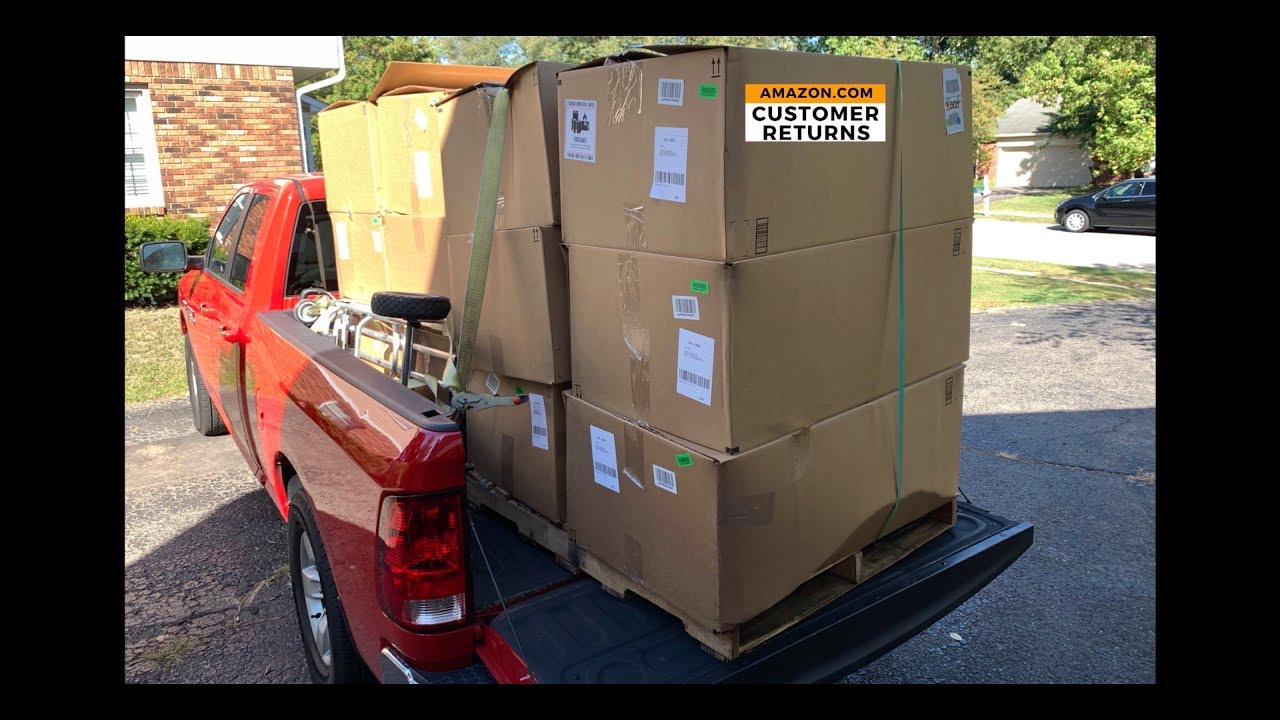
Pickup requires a suitable vehicle like a box truck or a flatbed trailer. Freight delivery is necessary if you lack the equipment to transport heavy loads. You must weigh the cost of a truck rental against standard freight delivery charges. Local pickup is almost always the most profitable choice for small business owners.
Amazon Return Pallets For Sale
Listings are structured using either detailed manifests or a mystery format. Manifested lots include a spreadsheet detailing every item, its retail price, and its current condition. Mystery lots provide only a general category and an estimated piece count. Manifests are created by barcode scanners during the intake process.
Condition categories dictate the resale value of the pallet. Items are graded as new, used, or salvage condition by warehouse staff. New items feature undamaged packaging and untouched contents. Salvage items are typically broken and only useful for replacement parts.
| Condition Grade | Expected Yield | Resale Effort Needed | Potential ROI |
| Brand New | 95% to 100% | Very Low | High |
| Used / Open Box | 60% to 80% | Medium | Medium to High |
| Salvage / Damaged | 10% to 20% | Very High | Low |
Typical pallet sizes vary depending on the product category being sold. A standard pallet measures forty by forty eight inches. Lot quantities can range from twenty large appliances to five hundred small electronics.
Amazon Auction Pallets
Bidding systems work by allowing registered buyers to place maximum bids on specific lots. The platform automatically increases your bid incrementally until your maximum budget is reached. Auctions run for a specified number of days and close at an exact time. Overtime features often extend the clock if late bids are placed.
Pricing volatility is a major risk when participating in competitive auctions. Bidding wars frequently push final prices far above the actual wholesale value. Emotion often overrides logic when multiple buyers want the same manifest. Strict discipline is required to avoid overpaying for inventory.
Auctions are fundamentally different from fixed price pallet purchases. Fixed prices allow for calm, calculated profit margin estimates. Auctions force quick decisions under significant pressure.
How Much Do Amazon Return Pallets Cost?
Pricing depends heavily on the category, condition, and manifest detail. An unmanifested pallet of salvage clothing might cost one hundred dollars. A fully manifested pallet of new electronics could cost several thousand dollars. Prices are calculated as a percentage of the total retail value.
Low advertised prices almost always exclude shipping and marketplace fees. Freight costs can easily add three hundred dollars to your final invoice. Buyers pay processing fees and taxes if they lack a resale certificate. Total landed cost must be calculated before any purchase is finalized.
Realistic cost expectations are crucial for first time buyers entering this market. Expect to pay between three hundred and eight hundred dollars for a standard general merchandise pallet. Use our site’s pallet profitability calculator to estimate your exact margins before purchasing. This tool prevents buyers from making unprofitable investments.
What Is The Risk Of Buying Amazon Pallets?
Yes. Buying liquidation goods involves substantial financial risk. Damaged goods and missing items are common occurrences in customer returns. Products are often swapped by retail customers before being returned to the store. Buyers must expect a certain percentage of total loss on every pallet.
Resale value variability makes revenue projection extremely difficult. An item might retail for fifty dollars but only sell for fifteen dollars on the secondary market. Prices fluctuate based on seasonal demand and competitor volume. Market saturation quickly destroys profit margins on popular items.
Learning curve challenges are steep for first time buyers. Sourcing, sorting, testing, and listing require massive amounts of labor. Storage space is quickly consumed by unsold inventory and empty cardboard boxes.
Is Amazon Liquidation Pallets A Real Thing?
Yes. Approved liquidation channels are completely legitimate and heavily utilized by the retail industry. Major retailers partner with massive liquidation networks to clear their warehouses legally. These networks hold exclusive contracts to process and auction returned goods. Authentic pallets are sold daily through these verified portals.
Branding misuse creates widespread confusion for new buyers online. Scam websites illegally use retail logos to trick buyers into sending wire transfers. Legitimate liquidators never demand payment through unsecured cryptocurrency or gift cards. Fraudulent sellers steal millions of dollars from uneducated buyers every year.
You must verify authentic sellers by checking their corporate history. Legitimate platforms require strict business verification during the registration process. Always search for third party reviews and physical warehouse addresses. If a deal seems impossibly cheap, it is undoubtedly a scam.
Buying Amazon Return Pallets From Direct Liquidation
Direct Liquidation operates as an officially authorized partner for major retail brands. They secure exclusive contracts to manage reverse logistics for massive corporate entities. Inventory is trucked directly from retail fulfillment centers to Direct Liquidation facilities. This direct pipeline prevents unauthorized middlemen from cherry picking the best items.
Account registration requires a valid business license and tax documentation. Bidding mechanics are transparent and utilize a proxy bidding system. Users set a maximum bid, and the software bids on their behalf. Invoices are generated automatically the moment an auction closes successfully.
Pallet grading standards used on the platform are strictly defined. Items are categorized accurately to protect buyer expectations and platform trust. Manifests list the exact reason for the return if the data is available. This transparency allows buyers to calculate repair costs before placing a bid.
How Does Ordering Work?
The order lifecycle begins immediately after winning a lot or clicking buy now. An invoice is generated and sent to the buyer’s registered email address. The invoice includes the final bid price, buyer premiums, and estimated shipping costs. The pallet is reserved in the warehouse until the invoice is settled.
Payment timelines are strictly enforced by liquidation platforms. Buyers typically have forty eight hours to submit full payment via wire transfer or credit card. Unpaid invoices result in account suspension and permanent bans. Prompt payment ensures your inventory is quickly moved to the shipping dock.
Shipping coordination is handled through the platform’s logistics portal. Buyers can select the platform’s freight carrier or arrange their own transportation. Documentation like the bill of lading is provided electronically. Tracking numbers are issued once the carrier picks up the pallet from the facility.
Inspecting And Grading Amazon Return Pallets
Post delivery inspection must begin the moment the truck arrives. Shrink wrap is examined for tears, and the base is checked for forklift damage. Drivers are required to wait while the external condition is verified. Detailed photographs are taken before the pallet is moved inside.
Condition verification against the manifest is your next major task. Every single item is counted and cross referenced with the provided spreadsheet. Items are tested by plugging them into power sources and checking basic functions. This meticulous process determines your actual cost per viable unit.
How To Sell Amazon Return Pallets?
Yes. Selling strategies dictate whether your pallet is profitable or a complete loss. Breaking down pallets into individual listings yields the highest possible profit margin. Every item is cleaned, photographed, and listed separately on an e-commerce platform. This method maximizes revenue but requires significant daily labor.
Bulk resale involves selling the entire pallet to another local buyer. You act as the middleman, taking a small markup for sourcing the inventory. This method provides immediate cash flow and clears warehouse space instantly. Itemized resale is better for full time sellers, while bulk resale suits casual flippers.
| Resale Strategy | Profit Margin | Labor Required | Time To Sell |
| Itemized Online | Very High | Intensive | Weeks to Months |
| Local Flea Market | Medium | Moderate | Days to Weeks |
| Bulk Wholesale | Low | Minimal | Hours to Days |
Pricing psychology is critical for moving returned goods quickly. Buyers expect deep discounts when purchasing open box items. Retail prices are crossed out, and the discounted price is highlighted boldly. Offering free shipping creates a strong incentive for immediate online purchases.
Where To Sell Inventory From Amazon Return Pallets?
The best sales channels depend on the specific products you sourced. Online marketplaces connect you with millions of buyers actively searching for specific models. Local sales channels eliminate shipping costs and marketplace fees. Physical venues like flea markets allow for rapid, cash based inventory liquidation.
Audience targeting is necessary for different product categories. High end electronics are sold on specialized tech marketplaces to reach educated buyers. Used clothing is listed on apparel specific resale applications. Heavy tools are sold locally to avoid impossible shipping constraints.
| Marketplace Type | Best Products To Sell | Fee Structure | Buyer Reach |
| National E-commerce | Electronics, Collectibles | High (10% to 15%) | Global |
| Local Meetup Apps | Furniture, Large Appliances | Zero Fees | City Wide |
| Flea Markets | Low Value General Merchandise | Flat Booth Fee | Regional Traffic |
Scalability is different for each resale channel you utilize. Online platforms allow for automated inventory management and third party fulfillment. Local sales require constant messaging, meeting strangers, and negotiating prices in person.
Pros And Cons Of Buying Amazon Return Pallets
Advantages include an extremely low acquisition cost per unit. Buyers gain access to high demand retail items that are otherwise restricted. The variety of goods prevents your inventory from becoming stale. Successful buyers build highly profitable businesses using this exact sourcing model.
Drawbacks include massive inconsistency in product quality and lot value. Processing labor is physically exhausting and mentally draining. Storage fees quickly accumulate if inventory fails to sell quickly. The risk of total financial loss is a reality for uneducated buyers.
| Pros Of Buying Pallets | Cons Of Buying Pallets |
| Pennies on the dollar pricing | High risk of broken items |
| Massive inventory variety | Labor intensive sorting |
| Access to premium brands | Expensive freight shipping |
| High potential profit margins | Steep learning curve |
You must decide if pallets match your long term business goals. This industry requires capital, warehouse space, and a high tolerance for risk. If you prefer predictable, clean inventory, wholesale is a better option. If you enjoy hunting for hidden value, liquidation is incredibly rewarding.
Types Of Amazon Return Pallets
Category specific pallets focus exclusively on one type of merchandise. Electronics pallets contain tablets, headphones, and computer accessories. Apparel pallets feature clothing, shoes, and seasonal accessories. Home goods pallets are filled with bedding, kitchen appliances, and decor.
Category heavily impacts the resale velocity of your inventory. Consumables and beauty products sell instantly because demand is constant. Furniture takes much longer to sell due to size and transportation issues. Electronics sell quickly but carry a higher risk of hidden defects.
Demand trends fluctuate wildly across different product types. Toys peak significantly during the winter holiday season. Outdoor equipment sells best during the early spring months. Smart buyers purchase off season pallets at a discount and hold them until demand peaks.
Frequently Asked Questions About Amazon Return Pallets
What Are Amazon Return Pallets And How Do They Work?
They are bulk collections of returned merchandise. When customers return items, the fulfillment center groups them into large boxes. These boxes are sold to liquidators who then auction them to independent resellers. This system keeps warehouse shelves clear and recuperates lost revenue.
How Much Do Amazon Return Pallets Cost For New Buyers?
Costs vary widely. A beginner should expect to spend roughly four hundred dollars on a standard general merchandise pallet. Shipping fees will add an additional two hundred dollars to that total. It is highly recommended to start with a budget of one thousand dollars.
1 review for Buy Amazon Return Pallets For Sale (500+ Items From $650)
Related products
-
Amazon Returns Pallets
Buy Amazon Mystery Box Pallet (50+ Assorted Items From $200 – High Resale Value)
$200.45 Add to cart
Emily Taylor –
Customer support was helpful and responsive.