
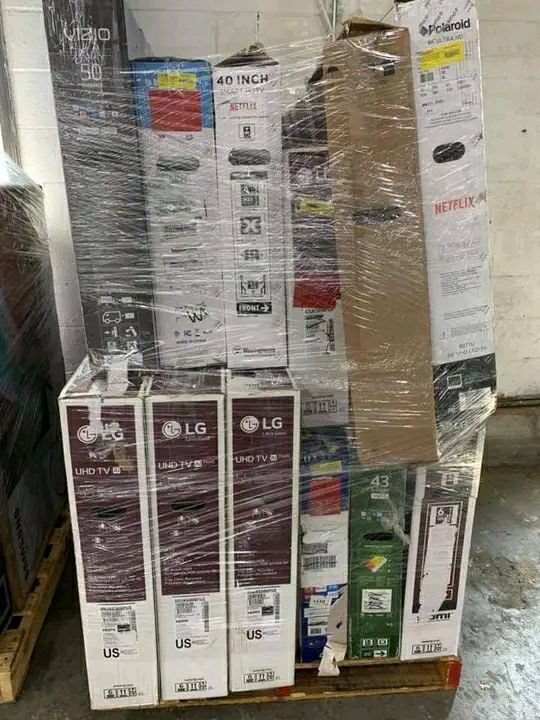

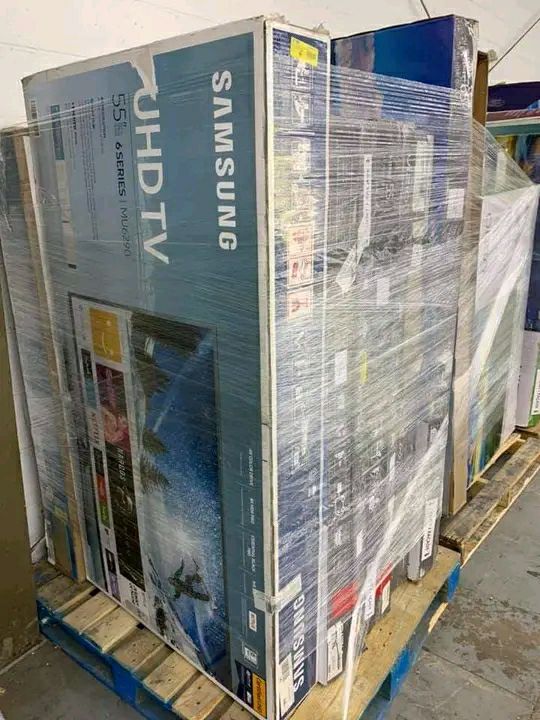
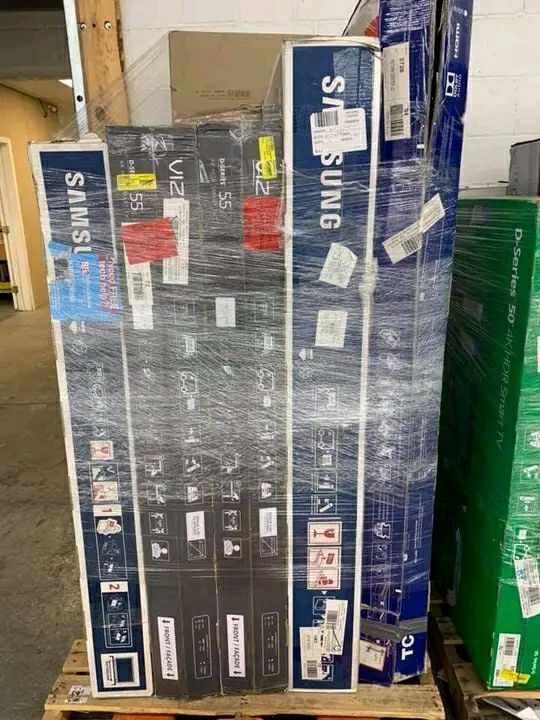
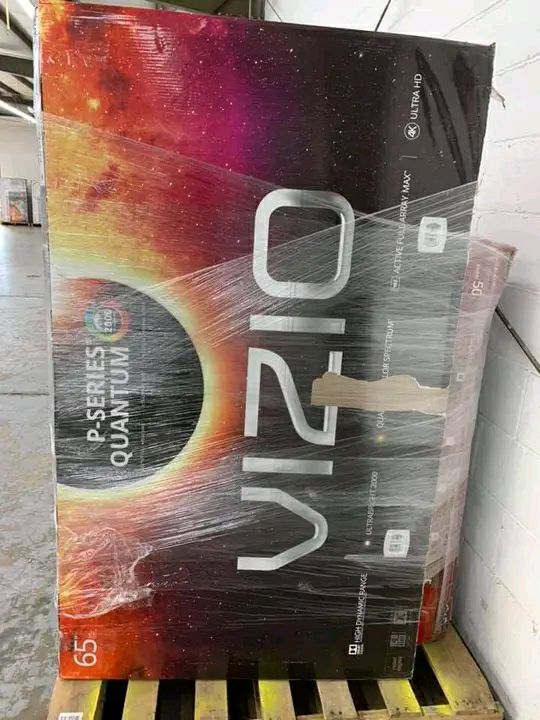
Buy TV Pallets (8 units per pallet at low end- $599)
$599.71
Current Price: From ~$599 at lowest tier, up to ~$3,200 for large mix pallets.
Status: In Stock – Limited Quantity (lots sell out quickly)
Seller: Verified Liquidation Pallet Supplier – Electronics Overstock / Returns Specialist
Source: Retail overstock, shelf pulls, excess inventory and open-box returns from major electronics retailers.
Condition: Mixed – Brand new / factory sealed units, open-box items, shelf-pulls; all functional units (not salvage).
Quantities per Pallet: Varies – e.g., ~8 TV’s per pallet at low end, ~40+ TVs in higher-tier lots.
Shipping Area: USA (most suppliers ship nationwide) – international shipping may require freight forwarding.
What buyers really want to know:
-
Condition detail: Make sure each pallet clearly states whether units are factory-sealed, open-box, shelf-pulls, returns, etc.
-
Manifest / lot breakdown: Size (32″–75″+), brands (Samsung, LG, Sony, TCL etc), how many of each.
-
Shipping / freight logistics: TVs are heavy and large—check freight costs, pallet dimensions and handling.
-
Resale demand & margin: Big screens and name brands sell better—ensure your market supports the sizes/brands in your lot.
-
Import/export & duties: If shipping internationally (outside USA) you’ll need to consider duties, compliance and local demand.
Key Takeaways
- Profit is in the Manifest: Always prioritize fully manifested TV pallets. Transparency about grade, model number, and condition is the ultimate tool for accurate profit projection.
- Condition Matters Most: Grade A (New Overstock) and Grade B (Refurbished/Light Returns) offer the safest, highest-margin opportunities. Avoid unchecked lots until you have a deep understanding of testing costs.
- The Market is Growing: The global liquidation market for consumer goods, driven by e-commerce returns, is projected to reach over $298.5 billion by 2033, with electronics being the largest segment (DataHorizzon Research, 2025). This confirms the long-term viability of the wholesale model.
- Logistics are Key: Freight costs and warehousing capacity directly impact unit cost. Buying truckloads or sourcing from a local, verified distributor like us is the most strategic move for minimizing expenses.
- Next Step: Secure Your Inventory: Ready to capitalize on the high demand for Smart TVs? Request a quote now to check the real-time availability of our manifested Brand A and Brand S TV pallets.
TV Pallets: Your Foundation for Stable Inventory (H2)
A TV pallet is a bulk assortment of televisions—from 32-inch budget models to 85-inch premium 4K Smart TVs—bundled together for wholesale distribution. These pallets primarily originate from major retail supply chains and include overstock, customer returns, shelf pulls, and warehouse clear-outs.
The modern liquidation system allows savvy resellers to access this inventory stream directly, bypassing traditional middle-men who erode your potential margin. Sourcing TV pallets is the quickest and most effective way for a resale business to achieve scale, stabilize inventory flow, and secure a predictable line of high-demand products.
| TV Pallet Source Type | Condition Profile | Profit Potential (ROI) | Ideal Buyer |
| Customer Returns | Mixed (New to Salvage); Requires testing/repair. | High Risk, Highest Potential | Experienced Refurbishers, Large Volume Sellers |
| New Overstock | Brand new, sealed, Grade A; Discontinued models. | Lower Risk, Stable 30–50% ROI | Startup Retailers, Amazon/eBay Sellers |
| Shelf Pulls | Undamaged, opened box; Missing minor accessories. | Medium Risk, Good Margins | Marketplace Sellers, Small Retail Stores |
| Freight Salvage | Visible damage to packaging or screen; For parts only. | Very Low Risk, Profit from Parts | Tech Repair Shops, Parts Wholesalers |
The table above outlines the four primary types of TV pallet sources and their associated risk and profit profile. Understanding this segmentation is crucial because the source directly determines the condition, the required effort (testing/repair), and ultimately, your final margin. Never purchase a pallet without clarity on its source type.
Takeaway: Stop chasing individual closeouts. Transition your business to a scale-driven model by focusing on stable, palletized inventory from trusted, transparent suppliers.
What Is Inside A Typical Smart TV Pallet? (H2)
A smart TV pallet is a tightly stacked, shrink-wrapped unit designed for efficient freight movement. While the exact contents vary by supplier and source, they generally contain a mix of leading brands (Samsung, Sony, LG, Vizio) and feature a high concentration of current-generation LED, QLED, and OLED Smart TVs.
The critical piece of information here is the pallet manifest. A well-documented manifest details the brand, model number, screen size (in inches), resolution (4K, 8K, etc.), and a condition grade for each television on the pallet. This level of transparency enables you to calculate expected recovery value and bid with confidence.
| Smart TV Pallet Manifest Sample |
| Model |
| Samsung QN90C-55″ |
| LG C3 OLED-65″ |
| Vizio M-Series-50″ |
| Hisense A4-32″ |
This sample manifest shows the blend of high-value and lower-value units typical in a liquidation lot. The presence of high-end items (like OLEDs) helps absorb the cost of lower-graded items, driving down your average unit cost and lifting the overall pallet profitability.
Takeaway: Demand a clear, itemized manifest. A supplier who won’t provide one is hiding critical information that could severely impact your profitability. Transparency is non-negotiable in the electronics liquidation business.
What Makes TV Pallets Ideal For Bulk Resale? (H2)
The primary appeal of TV pallets is the powerful trifecta of high consistent demand, superior profit margins, and simplified logistics. Unlike specialized niche goods, televisions are a constantly sought-after consumer electronic item, guaranteeing a quick sales cycle.
When you buy in bulk, you access pricing tiers that are impossible for small-scale buyers to reach. This inherent cost advantage, combined with a quick turn-around time, creates the perfect engine for sustained business growth. This strategy is precisely what fuels the success of high-volume sellers on platforms like eBay and Amazon.
| Inventory Sourcing Comparison | TV Pallets (Bulk) | Individual Sourcing (Retail/Local) |
| Cost Per Unit | Significantly Lower (Wholesale Price) | High (Near-Retail/Sale Price) |
| Inventory Consistency | High, Truckloads Available | Low, Dependent on Local Deals |
| Freight Efficiency | High (LTL or Full Truckload) | Low (Individual Shipping/Pickup) |
| Time Investment | Low (Single Purchase/Listing) | High (Continuous Hunting/Vetting) |
Comparing bulk pallet purchasing to individual sourcing clearly highlights the strategic advantage of liquidation. The efficiency gained in time, freight, and capital is the foundation of scalable resale operations.
Takeaway: TV pallets don’t just offer products; they deliver a streamlined, profitable inventory system that unlocks serious scaling opportunities for your business. Ready to see the difference? Check our current TV pallet availability now.
How To Buy TVs In Bulk At Wholesale Prices? (H2)
Buying bulk TVs is a professional, B2B transaction that requires a structured approach. The goal is to secure a continuous flow of inventory while minimizing the risk of receiving unsellable stock. Always start by registering your business, as most reputable distributors require a valid business license or resale certificate.
Best Practices for Purchasing:
- Verify the Supplier: Use third-party review sites and check for a physical address. Look for suppliers who have transparent terms and provide a dedicated account manager.
- Start with Manifested Lots: A manifested pallet is a proven blueprint for profit. This allows you to accurately forecast your recovery value before committing capital.
- Confirm the Freight Class: Televisions are electronics and require specific, secure handling. Ensure your supplier uses the correct National Motor Freight Classification (NMFC) to avoid unexpected charges or damage in transit.
Need assistance with legal compliance? The U.S. Small Business Administration (.gov) offers comprehensive resources on business structuring and tax compliance required for wholesale purchasing.
Takeaway: Treat bulk buying as a business investment. Secure your credentials, partner only with vetted suppliers, and use transparent data (manifests) to drive your purchasing decisions.
Where Can You Find The Best TV Liquidation Pallets? (H2)
The best TV liquidation pallets balance low cost with a high concentration of salable products. These deals are usually found on large, reputable online auction platforms or directly through specialized, high-volume liquidation distributors.
Key Sourcing Channels:
- Retailer-Direct Marketplaces (e.g., B-Stock): These platforms allow you to bid on liquidation stock directly from major retailers (Amazon, Walmart, Target). They offer high transparency but intense bidding competition.
- Wholesale Distributors (Like Us): Distributors source truckloads directly from multiple retailers, sort and manifest them, and sell at a fixed wholesale price. This offers more stable pricing and immediate purchase options.
- “Near Me” Sourcing: Always prioritize local or regional distributors. Proximity dramatically reduces your freight costs, often by hundreds of dollars per pallet, which directly translates into higher net profit per unit.
When vetting a local supplier, ask for a video walk-through of their facility and inquire about their process for handling WEEE (Waste Electrical and Electronic Equipment) to ensure they adhere to responsible resale practices. For context on responsible handling, reference official documentation like the UK’s Business Companion guide (.gov) on selling second-hand electrical goods, which highlights safety compliance.
Takeaway: Use online marketplaces for price discovery, but build your core inventory pipeline with a reliable local distributor to secure lower freight costs and consistent supply.
What Are The Different Types Of TV Pallets Available? (H2)
TV pallets are categorized not just by condition (Grade A/B/C) but also by the technology and how they are bundled. Understanding these types allows you to align your purchase with your target market—whether you specialize in high-end home cinema or high-volume budget electronics.
- Technology-Focused Pallets: These contain a high concentration of specific, premium technology, such as OLED or QLED models. They carry a higher initial cost but guarantee high resale value and strong demand from tech-savvy buyers.
- Brand-Sorted Pallets: These pallets contain stock from only one manufacturer (e.g., a “Sony Returns” lot). This is ideal for resellers who have an established customer base loyal to a specific brand ecosystem.
- Mixed-Brand Pallets: The most common type. These offer a blend of brands and sizes, providing a diverse inventory that mitigates risk across multiple product lines.
| TV Pallet Type | Average Unit Price Point | Ideal Resale Channel | Risk Profile |
| QLED/OLED Premium | High ($400+) | Amazon FBA, Personal E-commerce Store | Low (High Demand) |
| High Piece Count (32″-50″) | Low ($100–$200) | Flea Market, Facebook Marketplace, Local Pickup | Medium (Volume Focus) |
| Mixed Returns | Medium ($200–$400) | eBay, Poshmark, Discount Store | High (Requires Testing/Repair) |
This comparative table demonstrates how the type of pallet dictates pricing strategy and your optimal sales channel. Premium pallets demand higher pricing and are best suited for detailed online listings, while high piece count pallets are optimized for fast, local liquidation.
Takeaway: Match your pallet type to your expertise. If you have an in-house tech team, tackle Mixed Returns. If you prioritize quick profit, focus on New Overstock or Premium Technology lots.
Can You Choose Specific TV Brands In Your Order? (H2)
While true bulk liquidation is inherently mixed, specialized wholesale distributors often offer curated or “brand-focused” pallets. This service allows you to buy lots where 80-90% of the inventory belongs to a specific, high-demand manufacturer.
Selecting specific brands is a strategy that dramatically increases your resale value and simplifies listing creation. When you can consistently offer Brand A or Brand S TVs, you build trust and recognition with a high-value customer base. The limitation is that these curated lots come at a slight premium, reflecting the value of pre-sorting and reduced risk.
What Are The Pros And Cons Of Buying Overstock TV Pallets? (H2)
Overstock TV pallets are one of the safest and most profitable types of liquidation inventory. These are brand-new, unsold goods, often discontinued models, that retailers need to clear to make room for the latest releases.
Pros of Overstock
- Highest Condition: Items are usually in Grade A, factory-sealed condition.
- No Repair Costs: Minimal to zero testing or repair labor required.
- Warranty Intact: Many units still carry their manufacturer’s warranty, which is a major selling point for your customers.
Cons of Overstock
- Higher Initial Cost: You pay a higher percentage of the MSRP compared to customer returns.
- Model Age: The TVs may be last season’s models or slightly outdated in terms of smart features.
- Bulk-Only Deals: These pallets are often sold as full truckloads only, requiring substantial upfront capital and large warehousing.
How Do You Start A TV Reselling Business With Pallets? (H2)
Starting a TV reselling business is straightforward when you begin with the right inventory. Pallets simplify the initial hurdle of sourcing, allowing you to focus on the four key pillars of a profitable resale operation:
- Sourcing: Secure your first small, manifested pallet (Grade A or B) from a trusted, verified supplier.
- Storage & Testing: You need a dry, secure space. Even “new” TVs should be spot-checked for freight damage. Document and photograph the condition of every unit.
- Online Listing: Create clear, honest listings. Use the manifest details (model number, condition) for powerful SEO. For used items, disclose the precise condition using clear photos.
- Logistics: Establish reliable shipping partners or offer local pickup to control costs and ensure the safe delivery of fragile items.
Profit Story: “I turned a single, $2,800 pallet of 12 mixed-brand Smart TV returns into $5,600 in sales in under three weeks by dedicating a full day to testing and creating transparent listings on eBay. The key was the manifest—it gave me the confidence to buy and the data to list accurately.”
Takeaway: Starting your business today is simpler than ever. Wholesale TV pallets offer the necessary low investment entry point with the high resale ROI needed for rapid scaling. Start your journey—Request your first pallet quote right now.
Who Should Consider Buying Wholesale TV Pallets? (H2)
Wholesale TV pallets are a strategic fit for a specific profile of buyers, primarily those with a mechanism to move products quickly and reliably.
- E-commerce Marketplace Sellers: Those selling on eBay, Amazon, or dedicated tech resale sites benefit most from the high-demand, shippable nature of TVs.
- Startup Retailers: Use TV pallets to stock discount stores or smaller appliance stores with attractive, name-brand inventory at a competitive price point.
- Tech Refurbishers: For businesses specializing in repair, high-piece-count return pallets offer a continuous source of repairable units or valuable components.
- Exporters: TVs are universal products, making them an excellent choice for bulk export to markets where local supply is limited or expensive.
What Factors Determine The Value Of A TV Pallet? (H2)
A pallet’s value is calculated by a simple formula: Value = (MSRP of Contents) * (Average Condition Recovery Rate) – (Cost of Pallet + Freight + Labor).
Three key factors drive the front-end valuation:
- Screen Technology & Size: Large format (65″+) and premium technologies (OLED/QLED) command higher recovery rates than small, older LCD models.
- Manifest Transparency: A clear, honest manifest instantly adds value by removing buyer uncertainty and allowing for accurate financial modeling.
- Condition Grading: Grade A pallets are worth a high percentage of MSRP. Grade D or Salvage pallets, while cheaper, require significant labor and risk, reducing their practical value to all but expert refurbishers.
For a broader understanding of the secondary market, resources like the Consumer Technology Association (CTA) research on electronics sales trends can provide valuable context for projecting demand.
How To Identify High Piece Count TV Pallets Worth Buying? (H2)
A “high piece count” TV pallet contains a large number of relatively small-sized TVs (e.g., 30+ units of 32- to 40-inch models). These pallets are not about maximizing unit profit but about maximizing sales volume and moving inventory rapidly.
They are valuable for buyers who:
- Prioritize Volume: Ideal for liquidators who sell quickly at a low margin to local buyers.
- Have Low Overhead: If you can avoid expensive online listing fees and ship or store cheaply, these work well.
- Serve Budget Markets: Perfect for markets looking for reliable, secondary TVs (kids’ rooms, kitchens, dorms).
However, high piece count pallets often include a higher ratio of lower-grade items. Always calculate your potential profit using a conservative recovery rate to safeguard your investment.
Frequently Asked Questions About TV Pallets (H2)
What Are TV Pallets And Why Do Resellers Buy Them? (H3)
TV pallets are bulk, consolidated lots of televisions (overstock, returns, closeouts) sold at a deep discount off the retail price. Resellers buy them to gain a critical edge on cost per unit, enabling them to undercut retail pricing while maintaining significant profit margins on high-demand consumer electronics.
How Can You Source Quality TV Liquidation Pallets Near You? (H3)
To source quality TV liquidation pallets near you, prioritize local, verified wholesale distributors over national auctions. Request in-person inspection options, verify their business credentials, and focus your search on suppliers specializing in electronics. Always check their manifest standards; a quality supplier provides details on brand, model, and condition before you buy.
Key Takeaways For Your Next Investment
The wholesale TV pallet market is the engine of profitability for serious electronics resellers. By following the principles of transparency, strategic sourcing, and focusing on quality, you can build a highly profitable, scalable business.
- Master the Manifest: Use the itemized data to calculate your ROI accurately and minimize risk.
- Prioritize Grade A/B: While returns offer high potential, new or lightly used pallets provide the fastest, safest capital turnover.
- Reduce Freight Costs: Source locally or negotiate full truckload freight pricing to keep your unit cost down.
- Stay Compliant: Adhere to government safety standards for all second-hand electronics before resale.
- The Market is Strong: E-commerce returns guarantee a fresh, continuous supply of inventory for years to come.
Ready to secure your profit and stabilize your inventory? Don’t miss out on our current manifest of Grade A and B Smart TV pallets. Contact our dedicated wholesale team today to Request a Quote and lock in your first profitable truckload.
6 reviews for Buy TV Pallets (8 units per pallet at low end- $599)
Related products
-
ELECTRONIC PALLETS
Buy AirPods Liquidation Pallets (100+ Units From $950 – Apple Returns)
$950.35 Add to cart -
ELECTRONIC PALLETS
Buy Laptop Liquidation Pallets For Sale (100+ Units From $2,500)
$2,500.00 Add to cart -
ELECTRONIC PALLETS
Buy iPhone Pallets Bulk (Mixed Models from $900 – 10 to 30 iPhones)
$900.47 Add to cart



Marcus L. –
This was my third pallet order and consistency has been good so far. Mixed brands as expected, mostly open-box but all functional. Margins worked out exactly as projected.
Kevin T –
I appreciated the clear condition grading before purchase. No surprises when the pallet arrived. Easy to process and list.
Michael S. –
Packaging was solid and stretch wrap held during transit. No cracked screens on arrival.
Ryan C. –
This pallet fit perfectly with my resale model. Easy turnover and no testing headaches.
Andrew W. –
Clear communication from order to delivery. I knew what to expect at each stage.
Jason B. –
All units powered on as described. Open-box items were in better shape than I anticipated.