


Buy Beauty Liquidation Pallets For Sale (200+ Pieces From $699)
$699.00
Current Price: From $699 per Pallet
Status: In Stock – High Demand
Seller: Verified USA Beauty Liquidation Supplier
Source: Major Retailer Overstock, Shelf Pulls & Customer Returns
Condition: Mixed – 75% New, 15% Like-New, 10% Customer Returns
Items per Pallet: 200+ Assorted Beauty Products
Estimated Retail Value: Up to $4,500+
Distribution Agreement Required: No
Shipping Area: Fast Freight Delivery Across USA & Worldwide
Short Description:
Buy beauty liquidation pallets packed with top cosmetics, skincare, haircare, and personal care brands. Perfect for Amazon sellers, eBay resellers, boutiques, and beauty store owners looking for strong profit margins and fast inventory turnover.
Detailed Breakdown by Category
Skincare (Approx. 70 Items)
Sizes: 15ml to 100ml
Includes: Face serums, moisturizers, cleansers, eye creams, masks
Brands often include: CeraVe, Neutrogena, Olay, La Roche-Posay
Makeup (Approx. 80 Items)
Includes: Foundations, concealers, lipsticks, mascaras, palettes
Brands often include: Maybelline, NYX, L’Oréal, Revlon, e.l.f.
Haircare (Approx. 30 Items)
Sizes: 250ml to 1L
Includes: Shampoos, conditioners, styling sprays, treatments
Brands often include: Pantene, OGX, SheaMoisture, Garnier
Fragrance & Body Care (Approx. 20 Items)
Includes: Body mists, lotions, mini perfumes, gift sets
Brands often include: Bath and Body Works, Calvin Klein, Ariana Grande
Example Distribution – Total 200+ Items
Drugstore Brands (Approx. 120 Items)
Maybelline: 30 items
L’Oréal: 30 items
NYX: 20 items
Revlon: 20 items
e.l.f.: 20 items
Mid-Range Brands (Approx. 50 Items)
CeraVe: 15 items
Neutrogena: 15 items
OGX: 10 items
SheaMoisture: 10 items
Premium / High-Value Brands (Approx. 30 Items)
Urban Decay: 10 items
Tarte: 10 items
Too Faced: 5 items
Lancôme: 5 items
Beauty Liquidation Pallets: Profit From Branded Makeup
Intro
The market for discounted cosmetics is booming. If you are looking to source inventory for a resale business, beauty liquidation pallets offer a high-volume solution. These pallets typically contain a mix of skincare, makeup, and hair tools that major retailers can no longer sell as new. The inventory comes from shelf pulls, customer returns, or seasonal overstock.
Resellers buy these pallets to access premium brands at a fraction of the retail cost. While the potential for profit is high, the risks are also real. You must understand how to read a manifest and identify the difference between salvage and shelf-pull conditions. This guide covers everything you need to know about sourcing and selling this inventory.
Key takeaways
-
Source Matters: Pallets from high-end retailers like Sephora differ significantly in quality compared to drugstore liquidation.
-
Understand Grading: “Shelf pulls” are generally cleaner and higher value than “customer returns.”
-
Inspect Manifests: Always check the manifest for expired goods or known damaged items before bidding.
-
Watch for Liquids: Shipping beauty products carries a risk of leakage that can damage the entire pallet.
-
Check Regulations: Some cosmetic items are considered hazardous materials and have specific disposal rules.
-
Calculate Shipping: Freight costs can destroy your profit margin if you do not account for them early.
-
Verify Authenticity: Stick to reputable liquidation platforms to avoid counterfeit goods.
Beauty Liquidation Pallets
Beauty liquidation pallets are bulk bundles of cosmetic merchandise sold to the secondary market. Retailers like Target, Amazon, CVS, and high-end beauty stores frequently clear out inventory to make room for new products. When an item is returned by a customer or removed from a shelf, it enters the reverse logistics chain.
These products are rarely put back on the primary shelves. Instead, they are palletized and sold to liquidators or directly to resellers. This process allows the retailer to recoup a small percentage of their cost while freeing up valuable warehouse space. For the buyer, it presents an opportunity to acquire inventory for pennies on the dollar.
Buying in bulk is more efficient than sourcing individual items. A single pallet may contain hundreds or even thousands of units. This volume allows resellers to lower their cost per unit significantly. If you are running a Poshmark store, eBay shop, or a local bin store, this volume is essential for maintaining consistent sales.
The profitability relies on your ability to sort and grade the items. A pallet might cost $500 but contain inventory with a retail value of $5,000. Your job is to process that inventory, discard the trash, and sell the sellable units.
What Are The Types Of Beauty Liquidation Pallets Available
There are distinct categories of pallets in the beauty niche. Understanding these differences is critical for predicting your Return on Investment (ROI). The most common type is the “General Merchandise” (GM) drug store pallet. These contain a mix of shampoos, lotions, drugstore makeup, and personal care items. They are lower risk but also lower reward.
Brand-specific pallets are another category. These are often aggregated by liquidation companies that sort inventory by brand. You might find a pallet specifically for Maybelline, L’Oreal, or NYX. These are excellent if you specialize in a specific niche or have a customer base that prefers certain brands.
High-end luxury pallets are the most sought after. These contain products from premium retailers. However, they are harder to find because luxury brands often prefer to destroy returns rather than let them dilute their brand value in the secondary market.
Finally, there are cosmetic equipment pallets. These do not contain consumables like lipstick or lotion. Instead, they hold hair dryers, curling irons, facial steamers, and salon chairs. These are often customer returns due to electrical issues or box damage.
Table 1: Beauty Pallet Types Comparison
| Pallet Type | Typical Contents | Best For | Risk Level |
| Drugstore Mix | Shampoo, deodorant, mass-market makeup. | Bin stores, flea markets. | Low |
| High-End Cosmetics | Premium palettes, serums, fragrances. | Poshmark, eBay, Mercari. | High |
| Cosmetic Equipment | Hair tools, facial steamers, mirrors. | Electronics repair, local sales. | Medium |
| Unmanifested Lots | Mystery mix of any category. | Experienced gamblers/bulk buyers. | Very High |
| Shelf-Pull Lots | Pristine packaging, discontinued items. | Amazon FBA (if ungated), Boutiques. | Low |
How Do Ulta And Sephora Liquidation Pallets Work For Buyers
It is difficult to buy direct liquidation pallets labeled explicitly as “Sephora” or “Ulta” due to brand protection. Major retailers often contract with third-party reverse logistics companies. These companies process the returns and strip the branding before reselling the pallets. You will often see these listed as “Premium Beauty Liquidation” rather than by the store name.
The condition of these goods varies greatly. Overstock items are products that were never sold. They might be discontinued colors or holiday sets that did not sell out. These are the gold standard for resellers because the packaging is usually intact and the product is untouched.
Customer returns are different. At stores like Ulta or Sephora, a customer can return a used lipstick. If that item ends up in a liquidation pallet, it is considered “salvage” or “trash” for a reseller. You cannot resell used makeup for hygienic and safety reasons.
Buyers targeting these pallets must be prepared for a high “throw-away” rate. You are paying for the 30% to 50% of the pallet that is still sealed and sellable. The potential resale value on a sealed urban Decay palette is high, which offsets the cost of the used items you must discard.
How Can Makeup Auctions Help In Purchasing Beauty Inventory
Yes, makeup auctions are a primary method for acquiring this inventory. Platforms like B-Stock or Liquidation.com operate on an auction model. Retailers list a truckload or pallet of goods, and registered buyers bid on them.
The strategy here is patience. Bidding wars can drive the price of a pallet up to a point where there is no profit margin left. Smart buyers calculate their maximum bid based on the manifest and shipping costs before the auction starts. If the bidding goes over that number, they walk away.
Auctions offer access to bulk inventory that you cannot find elsewhere. You can see the manifest, which lists the UPCs and descriptions of items in the lot. This transparency helps you estimate the total retail value.
However, auctions carry risks. The manifest is not always 100% accurate. A pallet listed as “95% New” might arrive with substantial damage. Disputes with auction platforms can be difficult and time-consuming. You are often buying “as is,” meaning there are no returns if you are unhappy with the quality.
What Are The Key Considerations When Buying Cosmetic Equipment Liquidation
Functionality is the single most important factor when buying equipment. Unlike a bottle of shampoo, a hair dryer or microdermabrasion machine has mechanical parts. Returns in this category are often due to the item not working.
You must have the ability to test and possibly repair these items. If you are buying a pallet of returned hair straighteners, expect that some will not heat up or will have frayed cords. If you are not comfortable doing minor electrical repairs or safety testing, this category may not be for you.
Brand reputation affects resale speed. A Dyson hair tool will sell immediately, even as an “open box” item, whereas a generic brand facial steamer may sit in your inventory for months.
You must also consider the difference between bulk lots and individual items. Bulk lots of equipment take up significant space. You need a testing station and storage area. Individual items are easier to manage but cost more per unit.
Where Can You Find Local Beauty Liquidation Pallets For Sale
Finding beauty liquidation pallets near you is the best way to save on shipping. Freight shipping for a single pallet can cost between $200 and $500 depending on the distance. If you can pick it up yourself, that money goes straight to your profit margin.
Start by searching for “liquidation warehouses” or “reverse logistics centers” in your city. Many large liquidators have regional hubs. They may allow local pickup if you have a suitable vehicle, like a van or truck.
Facebook Marketplace and Craigslist are also valuable sources. Smaller liquidators who buy truckloads often break them down and sell individual pallets to local buyers. This allows you to inspect the goods in person before handing over cash.
Direct seller platforms are another option. Some independent warehouses list their inventory on maps or local business directories. Building a relationship with a local warehouse manager can get you “first pick” of new shipments before they are listed online.
How Does AI Improve Beauty Liquidation Management
Artificial Intelligence is transforming how liquidation works. AI helps large retailers predict which items will be returned and where they should be routed. For the buyer, AI-driven platforms can analyze manifests to predict profitability.
Inventory optimization tools use historical data to suggest the best resale price for specific items. Instead of guessing what a lipstick is worth, AI tools can scan eBay and Amazon sales history to give you a real-time market value.
Logistics planning is also improved by AI. It helps route pallets more efficiently, reducing the fuel and shipping costs associated with moving heavy boxes. This efficiency helps keep the cost of liquidation pallets lower for the buyer.
According to research on the reverse logistics market, the integration of automated sorting systems is speeding up the processing time for returns. This means products get to the secondary market faster, reducing the chance of them expiring before you can sell them.
How Do Beauty Liquidation Pallets Typically Arrive And What Should Buyers Expect
Beauty liquidation pallets typically arrive shrink-wrapped on a standard 40×48 wooden pallet. The height can vary, but they are usually stacked about 4 to 6 feet high. A typical cosmetic pallet contains between 300 and 1,000 small pieces, depending on the item size.
You should expect a mix of conditions. “Shelf pulls” will look like new products with perhaps a sticker price tag from the retailer. “Returns” will often be messy. You might find a bottle of foundation that leaked and coated half the box in liquid.
Packaging varies. Some items will be in their original master cases (cardboard boxes holding multiple units). Others will be “loose,” meaning they were thrown into a large gaylord box. Loose items have a higher risk of damage during transit.
Broken glass and spilled powder are common. If a pallet was not stacked correctly, heavy items might crush delicate eyeshadow palettes. Experienced buyers factor a 10% to 20% loss rate into their calculations for damage.
Table 2: Typical Arrival Conditions
| Condition | Appearance | Resale Potential | Frequency |
| Master Case | Brown manufacturer box, sealed. | High (New stock). | 20% |
| Loose/Jumbled | Items thrown in a large bin. | Mixed (Inspect carefully). | 50% |
| Repacked | Items placed in generic boxes. | Medium (Likely returns). | 30% |
How Do Buyers Assess The Condition And Grading Of Beauty Liquidation Pallets
Liquidation platforms use a grading system to describe the inventory. “New in Box” (NIB) means the item is factory sealed and pristine. This is the highest grade and commands the highest price.
“Open Box” usually applies to equipment or sets where the outer packaging is damaged, but the product inside is unused. These are great for eBay sellers who can explain the box condition in the listing.
“Salvage” is the lowest grade. These items are tested and failed, or they are visible customer returns that are damaged. In the beauty world, salvage often means used makeup, which is trash. However, a salvage pallet might contain a few high-value tools that can be repaired.
Verifying the manifest is crucial. If a manifest says “Manifested,” it implies you will get exactly what is on the list. If it says “Unmanifested,” you are gambling. You verify the accuracy by checking a random sampling of items as soon as the pallet arrives.
What Are The Common Risks Associated With Beauty Liquidation Pallets
The biggest risk in beauty liquidation is expiration. Cosmetics have a shelf life. Selling expired sunscreen or skincare is not only unethical but can also get you banned from marketplaces like Amazon. You must check batch codes on high-end skincare.
Incomplete pallets are another issue. A high-value item listed on the manifest might be missing. This is often due to theft in the supply chain or counting errors at the warehouse.
Leaking liquids are a nightmare scenario. One broken bottle of acetone or perfume can melt the packaging of other items and ruin labels. This renders the products unsellable as “new.”
Legal compliance is also a risk. Some brands aggressively protect their distribution. If you list a restricted brand on Amazon, you might receive an IP complaint. Always check which brands are “gated” before you buy a pallet full of them.
How To Choose The Right Beauty Liquidation Source For Your Business
Choosing a source depends on your business model. If you are a bin store owner, you need volume and low price per unit. Direct liquidation from huge retailers or large wholesale aggregators is best for this.
If you are an online boutique seller, you need quality over quantity. You should look for smaller, curated lots from reputable liquidation wholesalers who check the goods before shipping.
Check ratings and reviews. Look for forums where other buyers discuss their experiences. If a seller has a reputation for “cherry-picking” (removing the good stuff) before selling the pallet, avoid them.
Negotiating is possible if you are buying truckloads. For single pallets, the price is usually fixed or determined by auction. However, you can often negotiate better shipping rates if you buy consistently from one supplier.
Table 3: Sourcing Channels Overview
| Source | Pros | Cons |
| Direct Liquidation Sites | Access to manifests, variety. | Competitive bidding, shipping costs. |
| Local Warehouses | No shipping cost, inspect in person. | Limited selection, higher prices. |
| Facebook Groups | Networking, occasional deals. | High scam risk, no recourse. |
| Wholesalers | Consistent supply, curated lots. | Markups are higher than direct. |
What Are The Pricing Trends For Beauty Liquidation Pallets
Pricing fluctuates based on demand and season. Generally, you can expect to pay between 5% and 15% of the retail value for a beauty pallet. If a pallet has $10,000 worth of makeup, it might sell for $500 to $1,500.
Brand-specific pallets command a higher percentage. A pallet of purely NYX or Maybelline might go for 20% of retail because the demand for these items is consistent and they are easier to sell.
Mixed lots are cheaper. The more work you have to do to sort and identify the items, the less you should pay. Unmanifested “mystery” boxes are the cheapest but carry the highest risk.
To maximize ROI, you must buy low. Do not get caught up in an auction and pay retail prices. Set a hard limit for your purchase price that includes shipping.
How Can Logistics And Delivery Be Optimized For Beauty Liquidation Pallets
Shipping is the silent killer of liquidation profits. To optimize this, try to buy multiple pallets at once. The cost to ship two or three pallets is often not much more than shipping one, as you are paying for the truck slot.
Use freight brokers to find the best rates. Do not just accept the default shipping quote from the auction site. Sometimes arranging your own freight pickup can save you hundreds of dollars.
Storage is vital. Cosmetics are sensitive to temperature. Storing your pallets in a hot garage can melt lipsticks and separate creams. You need a climate-controlled space to maintain the quality of the product while you list it for sale.
Tracking software helps. As mentioned in [Anchor Link: Market trends in reverse logistics], modern logistics tools allow you to track your shipment in real-time. This helps you plan your labor for when the truck arrives so you can unload quickly.
What Is The Future Outlook For Beauty Liquidation Pallets Market
The market for liquidation is growing. As e-commerce continues to expand, so does the volume of returns. Research indicates that the reverse logistics market is projected to reach significant new heights by 2033.
Sustainability is becoming a driver. Brands are under pressure to reduce waste. Selling to liquidators is more eco-friendly than destroying products. This means we may see more high-end brands entering the liquidation market quietly to meet sustainability goals.
Faster turnover is the trend. Technology is making it easier for retailers to process returns and get them to liquidators. This means the products you buy will be “fresher,” with more shelf life remaining.
How To Maximize Profit From Beauty Liquidation Pallets
To make the most money, you need to identify the winners quickly. Sort your pallet immediately. Separate the high-value items that go on eBay or Mercari from the low-value items that go in a bin store or garage sale.
Bundle items. If you have low-value eyeliners, bundle them in sets of three. This increases the average order value and saves on shipping costs to your customer.
Take clear photos. When reselling, show the condition honestly. If a box is crushed, show it. Trust builds repeat customers.
Be careful with your selection. Avoid pallets that look like they have been picked over. Stick to sealed boxes or reputable sources.
Table 4: Profit Maximization Channels
| Product Condition | Best Sales Channel | Pricing Strategy |
| New / Sealed | Amazon FBA / Walmart | Competitive with retail Buy Box. |
| Open Box (Clean) | eBay / Mercari | 20-30% off retail price. |
| Small/Low Value | Poshmark Bundles / Flea Market | Volume discount (5 for $20). |
| Damaged Packaging | Local Bin Store | Flat rate pricing. |
Frequently Asked Questions About Beauty Liquidation Pallets
What Are Beauty Liquidation Pallets And How Do They Work For Resellers?
Beauty liquidation pallets are bulk collections of cosmetics, skincare, and tools sold by retailers to clear space. They work for resellers by providing a large volume of inventory at a fraction of the retail price, allowing for markup and profit on secondary marketplaces.
How To Maximize Profit From Beauty Pallet Inventory?
You maximize profit by sorting inventory effectively and choosing the right platform for each item. Sell pristine high-end items on Poshmark or eBay, bundle cheaper drugstore items for local sales, and always account for shipping costs before purchasing the pallet.
Related products
-
Beauty & Personal Care
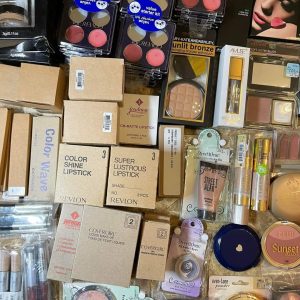
Buy Sephora Liquidation Pallets For Sale (200+ Beauty Items From $1,850)
$1,850.00 Add to cart -
Beauty & Personal Care
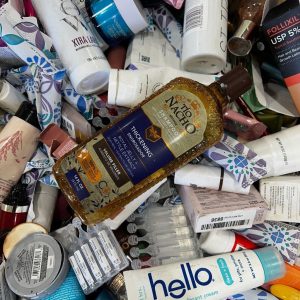
Buy HBA Pallets Wholesale (400–1500+ Health & Beauty Items -$650)
$650.00 Add to cart -
Beauty & Personal Care
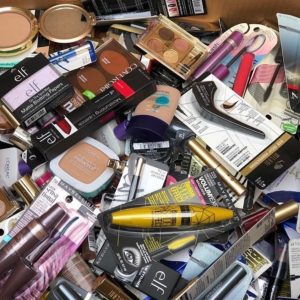
Buy Makeup Liquidation Pallets (300 + High-Value Beauty Items -$500)
$500.78 Add to cart -
Beauty & Personal Care
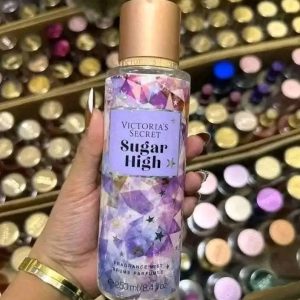
Buy Wholesale Victoria Secret Perfume (500 Units – $1,200)
$1,200.00 Add to cart
Reviews
There are no reviews yet.