

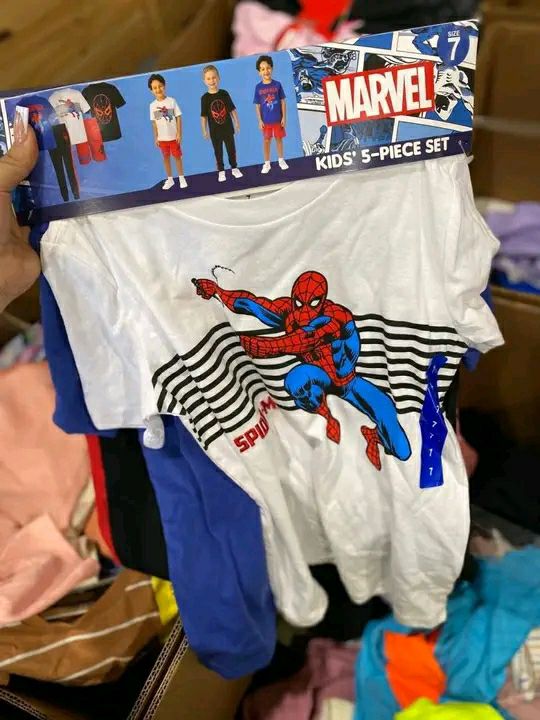

Buy Baby Clothes Liquidation Pallets (200 + Pieces for $500)
$500.17
Current Price: From ≈ $500 (for ~200 pieces)
Status: In Stock – Limited Quantity
Seller: Verified Liquidation & Overstock Supplier (USA)
Source: Retail overstocks, clearance, shelf-pulls & customer returns
Condition: Mixed – Brand-new with tags + possibly shelf-pulls/returns
Sizes & Items Included: Newborn to toddler sizes (0-24 months), assorted onesies, rompers, tees, pants, sleepers, seasonal items
Brands: Reputable baby-apparel brands included (e.g., Carter’s, H&M, Hanna Andersson)
Items per Pallet: ~200-500 pieces depending on pallet size & offer
Return Policy: Final Sale – Check vendor policy before purchase
Shipping Area: USA (Freight delivery) – May ship worldwide depending on supplier
Key Takeaways
- Profit Driver: Baby and kids’ clothing is a recession-proof category with a 100% turnover rate, driven by constant growth and seasonal needs.
- The Problem: Many sources “cherry-pick” the best items. We provide verified, transparent liquidation stock directly from major retailers, ensuring you get the valuable goods.
- Sourcing Advantage: Leverage specialized B2B marketplaces and official liquidators to bypass unnecessary middlemen and secure better pricing.
- Actionable Value: Always prioritize pallets with a clear manifest or a trusted grading scale, as this transparency is the foundation of high-margin reselling.
- Next Step: Ready to secure your first profitable lot? Scroll down to check the current availability of our Grade A and B baby apparel pallets and Request a Quote today.
Baby Clothes Liquidation Pallets
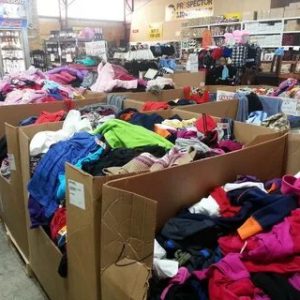
Baby Clothes Liquidation Pallets are bulk lots of inventory sourced directly from major US retailers, department stores, and e-commerce giants. These pallets are not simply “junk” or unusable stock. Instead, they primarily consist of store returns, customer overstock, and shelf pulls. This merchandise is liquidated for a clear business reason: retailers need to reclaim warehouse space and manage reverse logistics costs rather than process every single returned item individually.
The profit potential from reselling items in these pallets is significant because you acquire brand-name, high-quality goods at a fraction of their original wholesale cost. The key to maximizing your margin is understanding the three main categories of liquidation stock you will find.
| Liquidation Stock Type | Description | Typical Condition (Grade) | Profit Potential |
| Customer Returns | Items bought and returned to the store or online retailer. Often requires minor cleaning or simple repair. | Mixed (B to C) | High (Requires Work) |
| New Overstock | Brand-new items never sold, typically from seasonal clearance or store-wide inventory balancing. | New (A+) | Highest (Ready to Sell) |
| Shelf Pulls | Items removed from store shelves to make way for new inventory. May have minor package damage. | New to Like-New (A) | Very High (Quick Flip) |
This table shows that while customer returns offer the lowest initial cost, new overstock and shelf pulls (Grades A and A+) offer the highest profit potential because they require almost no preparation before listing. This minimizes your labor cost, a key factor in overall business margin.
For new resellers, we strongly recommend starting with Grade A pallets. This stock requires minimal processing, letting you quickly realize a profit and reinvest in larger lots.
Where To Buy Baby Clothes Liquidation Pallets Near Me And USA Locations?
Finding the right sourcing channel is the difference between a high-profit venture and a warehouse full of dead stock. Successful B2B buyers source from reliable channels that offer transparency and consistency, ensuring the product quality matches the description.
To reliably source baby clothes liquidation pallets near me or nationally, you must bypass the local flea market and go directly to official channels.
- Official Liquidators and Brokers: Companies like ours work directly with major retailers to process their excess stock. This gives you the cleanest chain of custody and often the highest quality Grade A/B stock.
- B2B Auction Marketplaces: Platforms like B-Stock or specific retailer liquidation sites host competitive auctions for liquidation lots. This requires speed and a solid bidding strategy.
- Local and Regional Warehouses: Searching for baby clothes liquidation pallets USA means looking for major regional hubs. Buying from a nearby warehouse saves you significant freight costs (an issue we will cover later) and allows for in-person inspection, building trust with the vendor.
Logistical costs can quickly erode your margin. This is why securing a vendor with a warehouse within a two or three-state radius is crucial. The shorter the distance, the lower your freight costs, and the faster your time-to-profit.
Can I Find Cheap Baby Clothes Liquidation Pallets?
The concept of a “cheap” pallet is relative. The cheapest pallet is often the one that provides the highest return on investment (ROI), not just the lowest sticker price. Pricing is primarily determined by three factors, and understanding them is essential for smart buying.
- Manifest Value: A pallet with a clear manifest detailing contents, brands, and original retail price (MSRP) will cost more upfront but allows for precise profit forecasting. Unmanifested pallets are cheaper but come with inherent risk.
- Condition/Grade: New Overstock (Grade A) will always be more expensive than Untested Customer Returns (Grade C).
- Source & Volume: Pallets sourced directly from top-tier retailers are premium, and purchasing truckloads instead of single pallets lowers the per-pallet cost considerably.
This comparison helps you determine which investment model best suits your current capital and risk tolerance:
| Pallet Type & Grade | Average Cost per Pallet | Condition Transparency | Resale Preparation Time |
| Manifested, Grade A | High ($800–$1,200) | High | Minimal (Ready to ship) |
| Unmanifested, Grade B/C | Low ($350–$600) | Low | High (Sorting/Cleaning) |
| Truckload (Mixed) | Best Value ($500–$900) | Medium | Medium (Volume Scale) |
As an experienced reseller, you know that buying a slightly higher-priced, manifested Grade A pallet eliminates 80% of the work. This helps you maximize margin and reduce the time lost to inspection and cleaning. If your time is valuable, spend a little more upfront.
Is Amazon A Good Source For Baby Clothes Liquidation Pallets?
The question is a common one, but the answer requires nuance. Amazon itself does not typically sell pallets directly to the public. Instead, its massive volume of returns and overstock is sold via exclusive, closed-loop B2B liquidation marketplaces (often managed by firms like B-Stock Solutions). When you see an “Amazon Pallet” on a third-party site, you are buying from a certified liquidator who acquired the inventory from that official Amazon channel.
When dealing with Amazon-affiliated liquidators, your main priority is verifying two key elements:
- Authenticity: Always work with certified liquidators to ensure the product origin is genuine and not counterfeit—a critical concern in the liquidation space, particularly with high-profile brands (Consumer Protection Commission of the USA).
- Condition: Amazon returns are often “untested.” This means the product was returned but not inspected. You must factor in a 10%–20% rate of unusable items.
Our commitment to building trust means we only work with verified, high-volume stock, providing a clear Certificate of Authenticity or a detailed manifest where possible. This is how we protect your investment.
What Are The Advantages Of Buying Baby Clothing Wholesale Pallets?
Shifting your focus from small, random lots to full wholesale pallets unlocks the true potential of the resale business. The primary advantage is substantially lower per-item cost. The more volume you commit to, the lower the percentage of MSRP you pay, which is the core principle of wholesale purchasing.
A single pallet might contain 500-800 individual pieces of clothing. If you secure a deal that drops your per-unit cost by just 50 cents, that is an immediate $250-$400 increase in profit margin per pallet.
- Substantial Volume: Get hundreds of SKUs (stock-keeping units) in a single transaction, dramatically reducing your sourcing time.
- Variety for Resale: Wholesale pallets often contain a full mix of sizes, colors, and styles, giving you diverse listings for platforms like eBay, Poshmark, and your own e-commerce store.
- Lower Freight Costs: Shipping one full pallet is exponentially cheaper per unit than shipping 10 small boxes.
- Selling Point: Access our exclusive, unmanifested baby clothing wholesale pallets for maximum surprise and profit potential—sign up for early access today! These lots are high-risk, high-reward—ideal for experienced resellers with a keen eye for grading and refurbishment.
Where Can I Find Pallets For Sale With Liquidation Baby Items? (H3)
To find specialized lots, you need to go beyond the generic search terms. Specialized liquidation marketplaces often have dedicated categories for “Infant Apparel,” “Kids Footwear,” or “Nursery Goods.” The key difference is the inventory mix. A general “baby pallet” might contain anything from clothes to formula. A specialized “liquidation baby items” lot is curated to a specific category, such as clothing, eliminating the items you may not want to sell. This focused approach saves you sorting time.
How Do I Buy Baby Clothes In Bulk For Resale? (H2)
Transitioning from a casual flipper to a professional bulk buyer requires structure and legal compliance. Many of the best deals—the high-grade, manifested pallets—are only available to registered businesses.
Here is the structured path to accessing the highest-tier liquidation stock:
- Obtain a Resale Certificate: This is a crucial first step. A resale certificate (or seller’s permit) proves you are purchasing inventory for resale, allowing you to buy without paying sales tax to the vendor. This is a must-have for all business purchases (U.S. Small Business Administration).
- Establish Logistics: Before purchasing, know your shipping needs. Do you have a forklift, loading dock, or simply a residential address? This dictates the complexity and cost of freight booking.
- Assess Inventory Value: Never purchase a large lot without a clear idea of the brands and condition. For unmanifested lots, ask for clear, high-resolution photos and an honest representation of the inventory mix.
Here is a quick snapshot of the basic documentation needed:
| Requirement | Purpose | Availability of Best Deals |
| Business License | Establishes legitimacy, allows banking. | Access to most liquidators. |
| Resale Certificate | Exempts you from paying sales tax on inventory. | Access to premium Grade A/B stock. |
| Freight Quote | Confirms all-in cost before purchase. | Ensures high ROI calculation. |
Understanding your true, all-in cost—pallet price plus freight—is how you accurately assess a pallet’s inventory value and ensure a sustainable profit margin.
Are There Specific Liquidation Pallets For Kids Clothing? (H3)
Yes, vendors often differentiate. Baby Clothes Liquidation Pallets generally cover sizes 0-24 months. Broader Kids Liquidation Pallets for Sale typically cover sizes 2T through 16. However, smart searching means looking for both. Many liquidators receive mixed truckloads from department stores, so a general “Kids’ Apparel” lot may contain a profitable mix of both infant and older children’s items. The strategic reseller searches for the overlap to build the widest possible inventory range.
What Are The Best Sources To Buy General Clothing Pallets For Sale? (H2)
While this guide focuses on baby items, diversifying your inventory with general clothing pallets for sale can significantly stabilize your business and provide year-round sales. Major liquidation companies that deal in general apparel often have a higher volume of specialty lots available.
- B-Stock Network: Provides direct access to auctions from top retailers like Walmart, Target, and Home Depot, all of which carry extensive children’s clothing lines.
- Specialty Apparel Liquidators: Firms that focus only on clothing are typically better at grading and sorting their inventory, resulting in less “mystery stock.”
- Wholesale Clearance Houses: Large volume resellers that have the capital to buy full container loads directly from manufacturers and pass on massive savings to you.
We maintain relationships with leading apparel vendors, providing us with a consistent feed of high-quality merchandise that is not available to the public.
What Are The Differences Between Baby Pallets And General Kids Liquidation Pallets? (H3)
The main difference is the target market and demand cycle. Baby apparel (0–24 months) is constantly needed due to rapid growth, making it a high-velocity product. Kids’ clothing (2T–16) is more seasonal, tied to back-to-school and holiday sales. The price difference often reflects this. Infant-specific lots may be priced slightly higher per unit because of guaranteed demand. For example, a baby lot might have an average MSRP of $15 per item, while a mixed kids’ lot might average $12. You must factor in the volume and velocity of sales when calculating your ROI.
How To Buy Wholesale Children’s Clothing In The USA? (H2)
If liquidation is too risky or inconsistent for your model, a pivot to traditional wholesale is the alternative. Buying wholesale children’s clothing in the USA means sourcing brand-new, non-liquidation stock from wholesale kids clothing vendors or direct manufacturers.
- Order Minimums: Traditional wholesale often requires high minimum order quantities (MOQs), sometimes $500 to $2,000 per order, in exchange for lower prices.
- Pricing Structure: You receive a consistent, fixed percentage off the retail price, eliminating the “luck” factor of liquidation.
- Consistency: You can re-order the exact same style, color, and size, which is critical for scaling a reliable e-commerce storefront.
- Selling Point: Download our FREE guide: ‘7 Steps to Sourcing Affordable Kids Liquidation Pallets’ and start building your resale empire instantly! This guide breaks down MOQ negotiation, grading analysis, and freight booking to make you a more confident bulk buyer.
Can I Find Specific Brand Liquidation Like Carters Wholesale Liquidation? (H2)
The most lucrative finds for resellers are often brand-specific lots, such as Carters Wholesale Liquidation or lots containing high-end children’s designer brands. While they exist, sourcing them requires diligence and a fast trigger finger.
- Premium Pricing: Brand-specific lots carry a premium because the demand is high and the resale value is guaranteed. Expect to pay a higher percentage of the MSRP.
- Quicker Action: These lots sell out fast, often within hours of being posted. You must be on a vendor’s priority list or dedicated auction feed.
- Authentication: Due to the value, verifying the authenticity of the brand is essential to maintain trust with your own customers. Only deal with liquidators who can provide clear documentation of origin.
Securing a Carters or similar brand lot can turbocharge your profit, but be prepared to pay higher, act faster, and scrutinize documentation more closely.
Are There Liquidation Pallets In Massachusetts Available? (H2)
Geographic location is a major factor in profitability. The costs of freight from the West Coast to a Massachusetts-based reseller can make a pallet unprofitable. When searching for liquidation pallets in Massachusetts available, you are looking for local warehouses or regional distribution clearouts.
To secure local inventory, try:
- Regional Auction Houses: Local houses often handle inventory clearouts for small and mid-sized New England-based retailers.
- Direct Local Liquidators: Smaller liquidation companies that focus only on the Northeast region.
By focusing your search geographically, you cut out a huge portion of the freight risk. A pallet that costs $200 to ship from New Jersey may cost $800 to ship from California. Every dollar saved in accessorial costs is another dollar in your pocket.
Frequently Asked Questions About Baby Clothes Liquidation Pallets (H2)
How Can I Profit From Baby Clothes Liquidation Pallets? (H3)
Profit is generated by a simple equation: (Resale Price – Cost of Goods – Prep Cost – Shipping) = Profit. Since the Cost of Goods (the pallet price) is low, your profit margin is wide. The key is reducing Prep Cost.
- Minimize Prep: Buy Grade A/B (New/Like New) stock to spend less time cleaning and photographing.
- Bundle Sales: Group complementary items (e.g., a shirt, pants, and hat set) to increase the average order value and command a higher price than selling individual pieces.
- Multi-Platform Listing: List on high-traffic sites like eBay, plus your own e-commerce store, to diversify your sales channels and reduce platform dependency.
What Are The Best Places To Buy Baby Clothes Liquidation Pallets Locally? (H3)
For the best local deals, you need insider access. Start by networking with logistics managers at local 3PLs (Third-Party Logistics) or regional freight brokers in the Boston or Springfield areas. They often know which warehouses are doing inventory clearouts before the deals hit the national B2B auction sites.
The most trustworthy local sources will allow you to:
- Inspect Pallets before purchase.
- Arrange Your Own Pickup, saving you the vendor’s freight markup.
- Build a Relationship for early access to future deals.
Key Takeaways
The market for baby clothes liquidation pallets is high-demand and high-profit, but only if you source correctly.
- Transparency is King: Prioritize manifested, Grade A or B stock to ensure quality and minimize your preparation time.
- Commercial Mindset: Treat your sourcing as a business negotiation; leverage your resale certificate to access the best, tax-exempt pricing.
- Freight First: Your geographical proximity to the source can make or break your margin—always calculate the full, door-to-door cost.
- Diversify & Scale: Supplement your liquidation finds with traditional wholesale to guarantee stock consistency as you scale.
Ready to maximize your resale margin? Don’t wait for your competition to buy up the best loads. Check our current inventory of Grade A Baby & Kids’ Apparel Pallets now and Request a Quote to lock in your next high-profit truckload today.
5 reviews for Buy Baby Clothes Liquidation Pallets (200 + Pieces for $500)
Related products
-
Clothing Pallets
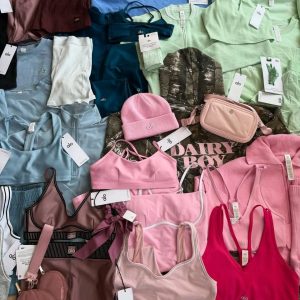
Buy Alo Yoga Pallets For Sale (250+ Premium Activewear Pieces- $1,200)
$1,200.00 Add to cart -
Clothing Pallets
Buy Activewear Liquidation Pallets (250-1000+ Pieces – $1200)
$1,200.00 Add to cart

Emily R –
Bought this as my first baby clothing pallet and was pleasantly surprised. Lots of brand-new items with tags, and the mix of sizes made it easy to resell bundles quickly.
Daniel H. –
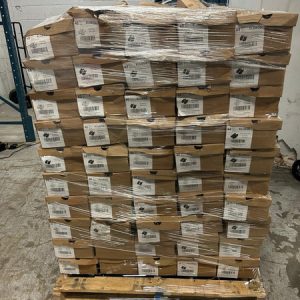
The pallet arrived on time and was well wrapped. Most pieces were new or like-new. A few seasonal items sat longer, but overall margins were strong.
Rachel C. –
Quality exceeded my expectations for a liquidation buy. Most items were clean and ready to sell.
Oliver P. –
Easy transaction from start to finish. Freight carrier communicated clearly, and inventory matched grading.
Sophia K. –
Great option if you sell kids apparel regularly. The per-item cost made sense for resale platforms.